Introduction
Learning new vocabulary helps you understand culture and everyday speech. The Spanish word caserón is a useful noun that appears in many contexts, especially when talking about houses and buildings. It is a specific and colorful word that can add detail to descriptions in stories, conversations, and travel situations. For English-speaking learners, understanding caserón gives a more natural way to describe an old, large, or impressive house than just using casa. This article explains what caserón means, how to pronounce it, how native speakers use it, and shows example sentences you can practice with. By the end you will be able to recognize and use caserón correctly in everyday Spanish.
Meaning and Definition
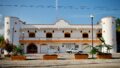
The word caserón is a Spanish noun that refers to a big house, often with an old or imposing look. It typically suggests size and solidity, and sometimes an emotional tone: the house can seem grand, empty, or even a little gloomy. In English, the closest translations are big house, large house, mansion, or old mansion depending on the context. The suffix -ón in Spanish often adds a sense of largeness or emphasis, so casa (house) becomes caserón (large house).
Etymology: caserón comes from casa plus the augmentative suffix -ón. Augmentatives are common in Spanish and change the size or intensity of a word without altering its basic meaning. This makes caserón a straightforward word to understand once you know casa and the suffix -ón.
Usage and Example Sentences
Spanish: Vivimos en un caserón cerca del centro histórico.
English: We live in a big house near the historic center.
Spanish: El caserón de la abuela tiene un jardín enorme.
English: Grandma’s large house has a huge garden.
Spanish: Durante la excursión vimos un caserón abandonado en la colina.
English: During the hike we saw an abandoned big house on the hill.
Spanish: Compraron un caserón para convertirlo en un hostal.
English: They bought a large house to convert it into a guesthouse.
Spanish: Me gusta la arquitectura del caserón antiguo en la plaza.
English: I like the architecture of the old large house in the square.
Spanish: El caserón pertenece a una familia que vive allí desde hace generaciones.
English: The big house belongs to a family that has lived there for generations.
Spanish: Filmaron una escena de misterio dentro de un caserón con luces tenues.
English: They filmed a mystery scene inside a big house with dim lights.
Spanish: Aunque es un caserón, la casa necesita muchas reparaciones.
English: Even though it’s a large house, the place needs a lot of repairs.
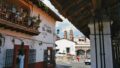
Spanish: Vimos un caserón con balcones de hierro forjado y puertas talladas.
English: We saw a big house with wrought-iron balconies and carved doors.
Synonyms, Antonyms, and Word Usage Differences
Synonyms: casa grande, mansión, vivienda amplia. Each synonym has a slightly different nuance. Casa grande is a neutral description meaning large house. Mansión implies wealth, luxury, and higher status. Vivienda amplia is more formal and can be used in housing descriptions or real estate.
Antonyms: casita, chalecito, apartamento pequeño. These terms suggest smallness or modest size. Casita is a small, often cozy house; chalecito implies a small detached house; apartamento pequeño is a small apartment.
Usage differences: Use caserón when you want to emphasize the size or imposing nature of a house, or when describing an older, solid building. Choose mansión when you want to stress luxury and wealth. Choose casa grande or vivienda amplia for neutral descriptions without the extra color or historical feel that caserón implies. For affectionate or diminutive contexts, use casita.
Register note: caserón is common in spoken and written Spanish and is neither very formal nor slang. It fits well in storytelling, descriptive writing, and everyday conversation.
Pronunciation and Accent
Pronunciation in IPA: /kaseˈɾon/
Pronounce the word like ka-se-RON. The stress is on the last syllable, which is typical for words ending in a consonant other than n or s, or when marked by an accent; in this case the stress comes from the augmentative -ón. Each vowel is clear and separate: a as in father, e as in bed, o as in more. The letter r in the middle is a single tap, similar to the r in English ladder when pronounced quickly by many speakers.
Common mistakes: English speakers sometimes stress the first syllable or add an extra vowel sound at the end. Avoid saying KA-se-ron with stress on the first syllable. Also be careful not to roll the r as a trilled r; the r in caserón is a single tap, not the trilled rr. Finally, make sure to pronounce the final n clearly: caserón, not caseró.
Native Speaker Nuance and Usage Context
How native speakers use caserón: People often use caserón when telling a story about a place, describing a family property, or pointing out a building that stands out because of its size or age. It can be neutral, affectionate, admiring, or slightly ominous depending on tone and context. For example, in a cozy family tale it might sound warm and nostalgic; in a mystery story it might sound eerie.
Formality: caserón is flexible. You can use it in casual spoken Spanish, in travel writing, and in journalistic descriptions. It is also appropriate in literary contexts where authors want to evoke a strong image of a building.
Regional notes: The meaning of caserón is consistent across most Spanish-speaking regions. However, speakers in different countries may prefer other synonyms like mansión or casa grande depending on local habits and the exact idea they want to express. In some rural areas, caserón might specifically evoke an ancestral farmhouse or a house that belonged to a prominent family.
Collocations and common phrases: native speakers often combine caserón with adjectives such as antiguo (old), imponente (imposing), abandonado (abandoned), grande (big), señorial (stately), or deteriorado (dilapidated). Verbs commonly used with the word include visitar (to visit), comprar (to buy), heredar (to inherit), and restaurar (to restore).
Conclusion
To summarize, caserón is a handy Spanish word that describes a large, often old or impressive house. It is formed from casa plus the augmentative suffix -ón, which emphasizes size. You can use caserón in neutral, conversational, or literary contexts to add color and specificity beyond the basic word casa. Pronunciation is straightforward: /kaseˈɾon/, with stress on the final syllable and a single tapped r. Learning caserón helps you describe buildings more accurately and sounds more natural whether you are traveling, reading stories, or speaking with native speakers. Practice the example sentences above and try creating your own descriptions to make this useful word part of your active vocabulary.