Introduction
Learning everyday vocabulary helps you understand and speak Spanish more naturally. One useful word to know is frutero. This simple noun appears in many conversations about homes, food, markets, and shopping. Knowing how to use frutero correctly will help you describe objects, people, and places related to fruit. It is a practical word that connects cultural habits like eating fresh fruit and setting a table. In this article you will learn the meaning, common uses, sample sentences, pronunciation tips, and how native speakers use frutero in different contexts. The explanations are clear, accessible for English speakers, and include examples that you can practice on your own.
Meaning and Definition
The word frutero is a Spanish noun that generally refers to something related to fruit. Its most common meanings are:
– a fruit bowl or fruit dish used to hold and display fruit on a table or countertop
– a fruit seller or someone who sells fruit, especially in markets (in some regions)
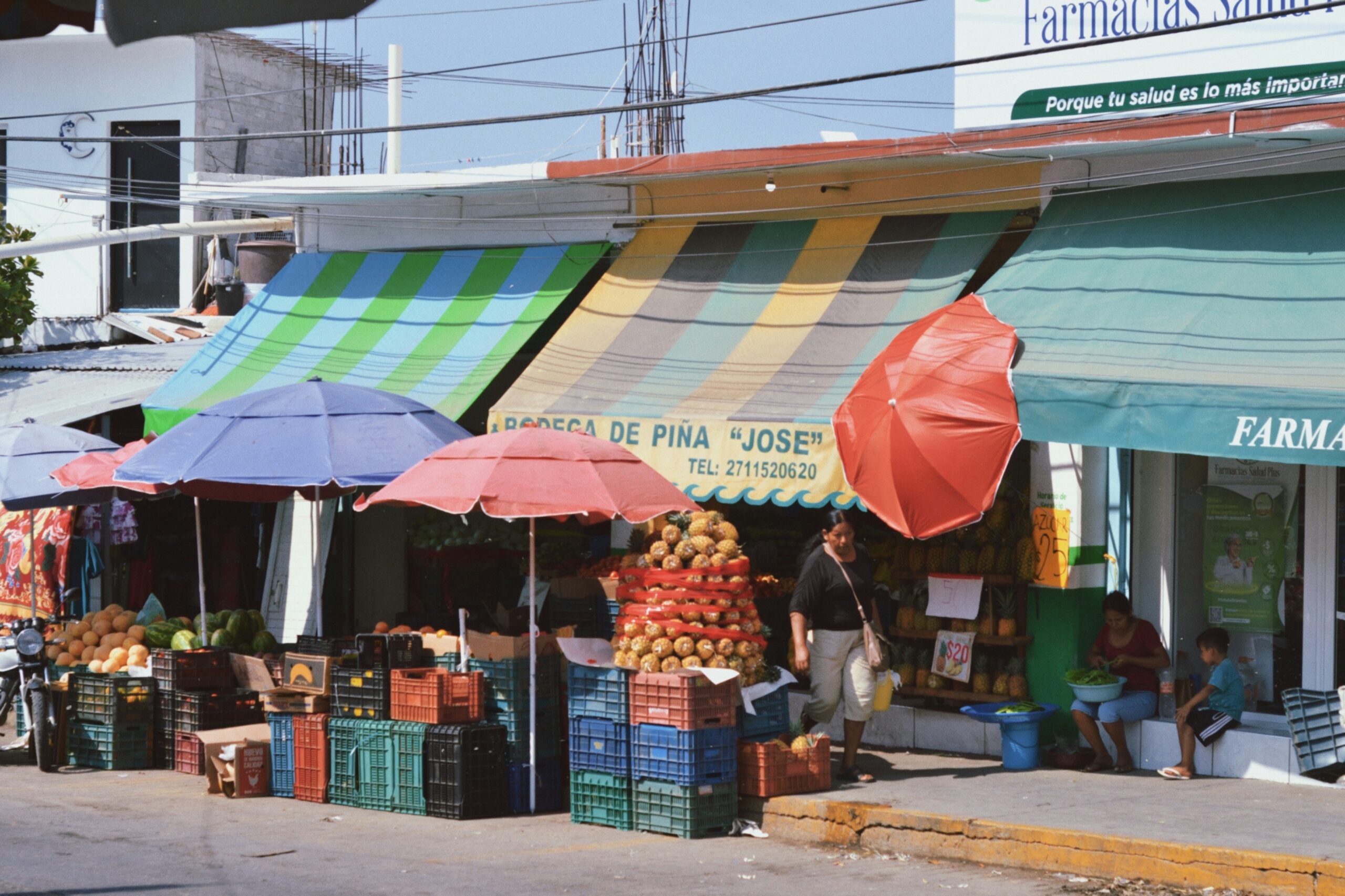
– a fruit stand or stall where fruit is sold (regional usage)
As a masculine noun, you will often see forms like el frutero or un frutero. The basic nuance depends on context: when you see it near a table or kitchen, it usually means fruit bowl; when you hear it at a market, it can mean the vendor or stall. The word comes from fruta, the Spanish word for fruit, plus the suffix -ero, which often indicates a person associated with something or a container/place. So frutero literally connects fruit with either a container or a person/place linked to fruit.
Usage and Example Sentences
Spanish: El frutero está lleno de manzanas y plátanos.
English: The fruit bowl is full of apples and bananas.
Spanish: Compré naranjas en el frutero del mercado.
English: I bought oranges at the fruit seller’s stall in the market.
Spanish: Pon el frutero en el centro de la mesa para la cena.
English: Put the fruit bowl in the center of the table for dinner.
Spanish: El frutero del barrio siempre tiene frutas muy frescas.
English: The neighborhood fruit vendor always has very fresh fruit.
Spanish: Mi abuela tiene un frutero de cerámica que heredó de su madre.
English: My grandmother has a ceramic fruit bowl that she inherited from her mother.
Spanish: Hay un pequeño frutero en la terraza donde guardamos limones.
English: There is a small fruit bowl on the terrace where we keep lemons.
Spanish: Hablé con el frutero para pedir mangos maduros mañana.
English: I talked to the fruit seller to ask for ripe mangoes tomorrow.
Spanish: El frutero está roto; necesito comprar uno nuevo.
English: The fruit bowl is broken; I need to buy a new one.
Spanish: En la feria había varios fruteros vendiendo fresas y uvas.
English: At the fair there were several fruit vendors selling strawberries and grapes.
Synonyms, Antonyms, and Word Usage Differences
Several related words can be used depending on what you mean. Here are common synonyms and differences:
– frutero vs. frutilla: Frutilla is a regional word for strawberry in some countries (not a synonym for frutero). Do not confuse them.
– frutero vs. frutera: Both frutero and frutera can be used to refer to a fruit bowl; frutera is simply the feminine form and is common in some Spanish-speaking regions. Use the form that sounds natural in local speech. For referring to a person, frutero (masculine) is used for a male vendor and frutera (feminine) for a female vendor.
– frutero vs. frutero de mesa: Adding de mesa clarifies that you mean a tabletop fruit bowl. This helps avoid the vendor meaning.
– frutero vs. frutería: Frutería is a shop that sells fruit, a business or store. Use frutería when you mean the place, and frutero when you mean the seller, stand, or bowl.
– frutero vs. tianguis/puesto/puesto de fruta: In markets, a fruit stall is often called puesto de fruta or puesto; frutero can refer to the person or to the stall in casual speech.
When choosing the correct word, think about whether you mean an object (fruit bowl), a person (fruit seller), or a place (fruit shop). Use frutería for a shop, puesto de fruta for a stall, and frutero for the bowl or vendor depending on context. If you want to avoid ambiguity, add more words: el frutero de la cocina (the kitchen fruit bowl) or el frutero del mercado (the fruit seller at the market).
Pronunciation and Accent
Pronouncing frutero correctly will help you be understood. Here is a simple guide:
– Phonetic pronunciation for English speakers: froo-TEH-roh
– IPA notation: /fɾuˈteɾo/
Pronunciation details:
– The initial f sound is the same as in English.
– The r in fr- is a single tapped r sound produced with a quick touch of the tongue against the roof of the mouth; it is not rolled like the double r in rojo. Practice tapping once to make the correct sound.
– The u is pronounced like the oo in food.
– The stress falls on the second syllable, te. In IPA this is shown as /fɾuˈteɾo/ with the primary stress mark before te.
– The e is a short open e sound, like the e in bed but a bit purer and shorter.
– The final r in Spanish is a tapped r as well; because it follows a vowel and is between vowels, it sounds like a quick tap rather than an English r. Some dialects, like Caribbean Spanish, may soften it slightly.
Common pronunciation mistakes:
– Putting stress on the first syllable (FROO-te-ro) or last syllable (froo-te-RO) changes the natural rhythm and can sound odd.
– Pronouncing the r as an English r rather than a tap can make the word sound foreign. Practice the single tap r by saying simple words like caro or pero.
– Confusing frutero with frutilla or frutería by sound alone can happen; listen for context and the stress pattern.
Native Speaker Nuance and Usage Context
Native speakers use frutero in everyday Spanish in a few main ways. Understanding these helps you sound natural:
– Household object: In many homes, a frutero is a decorative and practical item on the kitchen counter or dining table. People might say Voy a lavar las manzanas y las pongo en el frutero (I will wash the apples and put them in the fruit bowl). It is common in conversations about meal preparation, table setting, and home decor.
– Market vendor: In markets or at street fairs, frutero can mean the person who sells fruit. A native speaker might say El frutero me dio una naranja gratis (The fruit seller gave me an orange for free). In this sense, it is a casual conversational term and may vary by region.
– Vendor stall: In some regions, frutero is also used to refer to the stand itself where fruits are sold. A person might ask Dónde está el frutero? meaning Where is the fruit stall? In other regions, people prefer puesto de fruta or frutería.
Regional differences:
– Spain: Both frutero (for the bowl) and frutero meaning a seller can be heard, but frutería is the common word for a fruit shop. Frutera is often used for a fruit bowl as well, so you may hear el frutero or la frutera in different homes.
– Latin America: Usage varies widely. In many countries, frutero mainly means fruit seller or vendor. In others, frutero is commonly used for the bowl. Local vocabulary like frutería, puesto, and vendedor de frutas may be more common in markets.
Politeness and register:
– The word frutero is neutral and appropriate for everyday speech. Use it in casual conversations at home, in markets, and when talking to friends. For formal writing or very precise descriptions (for example, in a catalog), you might say cuenco de frutas or frutero de cerámica to specify the material or style.
Conclusion
In short, frutero is a useful Spanish word that connects you to common topics like food, home life, and markets. It can mean a fruit bowl, a fruit seller, or even a small fruit stall, depending on context and region. Remember the etymology: fruta plus -ero helps you recognize similar words like panadero or jardinero. Practice the pronunciation /fɾuˈteɾo/ with the stress on the second syllable and a tapped r sound to sound natural. Use frutero in simple sentences about your kitchen, your shopping, or when describing market scenes. Learning this word will help you describe everyday situations and improve your conversational Spanish. Keep using the example sentences and try substituting different fruits and contexts to make the word part of your active vocabulary.