Introduction
La frase corta is a practical tool for beginners to build confidence and speak Spanish quickly. In this article you will learn what a frase corta is, when to use one, simple patterns for creating short sentences, and real-life examples for everyday situations.
- What is a frase corta?
- Basic structure of a frase corta
- Common short phrases beginners should memorize
- Building useful short sentences for real situations
- Vocabulary and mini-phrases list
- How to practice creating your own frases cortas
- Common beginner mistakes with frases cortas and how to fix them
- Tips for expanding short sentences into natural speech
- Practice exercises
- Quick reference: Short sentence cheat sheet
- Conclusion
What is a frase corta?
A frase corta is a short, complete Spanish sentence that conveys a single idea clearly and simply. For beginners, short sentences reduce grammar complexity and focus on useful vocabulary. Think of them as bite-sized lines you can use in conversations, signs, menus, and messages.
Why short sentences help beginners
Short sentences make it easier to memorize structure, to pronounce, and to understand quickly. With a frase corta, you avoid complicated verb tenses and long subordinate clauses. That makes communication faster and less stressful in everyday interactions.
Basic structure of a frase corta
Most Spanish short sentences follow simple patterns: subject + verb, verb + object, or imperative + object. Here are the core patterns to practice.
1. Subject + verb
Pattern: Subject + verb
Examples:
Yo estudio.
Él trabaja.
Nosotros comemos.
These express who does an action and the action itself. For beginners, use present tense verbs like estudiar, trabajar, comer.
2. Verb + object
Pattern: Verb + object (often used for commands or quick responses)
Examples:
Quiero agua.
Necesito ayuda.
Busco empleo.
These are useful for requests, needs, and quick statements when the subject is obvious or unimportant.
3. Imperative + object (commands)
Pattern: Imperative verb + object
Examples:
Escucha, por favor.
Abre la puerta.
Escribe tu nombre.
Use this pattern for polite requests and directions in shops, classrooms, and public places.
Common short phrases beginners should memorize
Below are practical short phrases you will see or use often. The first appearance of each key term is bolded; later uses are italicized.
Buenos días — a standard greeting for morning.
Buenas tardes — greeting in the afternoon.
Buenas noches — greeting or farewell at night.
Gracias — thank you.
Por favor — please.
Lo siento — I’m sorry.
Disculpe — excuse me (to get attention).
No entiendo — I don’t understand.
¿Cómo estás? — How are you? Simple reply: Bien or Muy bien.
¿Dónde está…? — Where is…? Useful with places: ¿Dónde está el baño?
¿Cuánto cuesta? — How much does it cost?
Building useful short sentences for real situations
Below are everyday contexts with sample frase corta patterns and examples you can use immediately.
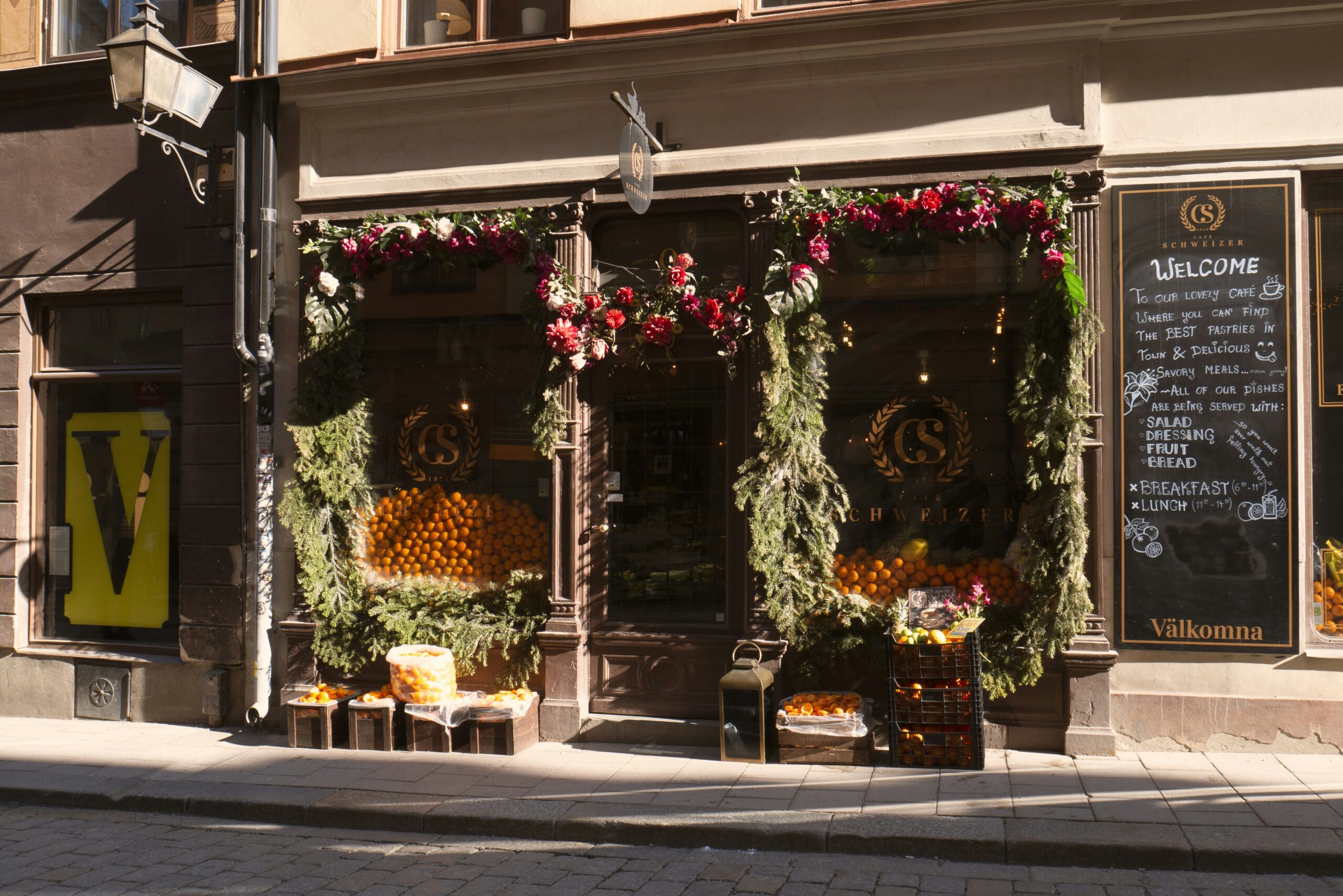
At a cafe or restaurant
Use short phrases to order and ask questions.
Quisiera un café, por favor.
Para llevar, por favor.
La cuenta, por favor.
¿Tiene menú en inglés?
These are short, polite, and practical. Quisiera is slightly more polite than Quiero, but both work for beginners.
On public transportation
Short sentences help with directions and tickets.
Un boleto a la estación, por favor.
¿A qué hora sale el autobús?
Voy a bajar aquí.
¿Este tren va a la ciudad?
These keep your communication clear when you are in a hurry or the vehicle is busy.
At a store
Quick phrases for shopping and payments.
¿Tiene talla mediana?
¿Puedo pagar con tarjeta?
Solo estoy mirando.
Me queda bien.
Use short sentences to ask for sizes, prices, and to try on clothes.
At work or school
Simple sentences are useful in classrooms and workplaces.
No entiendo la tarea.
¿Puedo entrar?
Necesito más tiempo.
Trabajo mañana.
These short lines help beginners ask for clarification and communicate availability.
Vocabulary and mini-phrases list
Memorize these short items for common interactions.
Hola
Adiós
Sí
No
Tal vez
Más tarde
Ahora
Hoy
Mañana
¿Por qué?
Porque
How to practice creating your own frases cortas
Follow these beginner-friendly techniques to make short sentences natural.
Technique 1: Replace one word
Start with a template and swap one word to create new meaning.
Template: Quiero + noun
Quiero agua.
Quiero comida.
Quiero descansar.
This builds vocabulary while keeping grammar simple.
Technique 2: Use flashcards with context
Create cards that include a short sentence and a picture or situation. Read or say the sentence aloud and imagine the scenario.
Example card: Estoy perdido — use when you need directions.
Technique 3: Practice mini-dialogues
Short back-and-forth exchanges are realistic and repeatable.
Hola.
Hola, ¿cómo estás?
Bien, gracias.
¿Y tú?
Very short dialogues mimic real life and build confidence quickly.
Common beginner mistakes with frases cortas and how to fix them
Awareness of typical errors helps avoid confusion. Here are common mistakes and corrections.
Mistake: Omitting the verb in a sentence where the verb is needed.
Incorrect: Yo mañana mercado.
Correction: Yo voy al mercado mañana.
Mistake: Using incorrect gender with nouns.
Incorrect: La problema.
Correction: El problema.
Mistake: Literal translations from English that break Spanish word order.
Incorrect: Tengo hambre mucho.
Correction: Tengo mucha hambre.
Mistake: Overcomplicating with advanced tenses.
Tip: Use present tense or simple past forms you know, like fui or vi, instead of trying unfamiliar compound tenses.
Tips for expanding short sentences into natural speech
Once you are comfortable with frase corta, you can add small modifiers to sound more natural.
Add an adjective: Tengo una casa pequeña.
Add a time: Voy al trabajo ahora.
Add a reason: No puedo, estoy ocupado.
Keep additions simple and predictable. Short modifiers often suffice in daily conversation.
Practice exercises
Try these guided tasks to build skill with short sentences.
Exercise 1: Order five items at a café using short sentences. Example: Quisiera un té. Quisiera un pan.
Exercise 2: Ask for directions with two sentences: Hola. ¿Dónde está la estación?
Exercise 3: Write three messages for a roommate: Estoy en la tienda. Vuelvo en 30 minutos. Compra leche, por favor.
Quick reference: Short sentence cheat sheet
Keep this small set of ready-to-use frases cortas in your phone or notebook.
¿Dónde está el baño?
¿Cuánto cuesta?
Necesito ayuda.
Estoy perdido.
Llámame luego.
Conclusion
Using la frase corta helps beginners speak Spanish more confidently by focusing on simple, practical sentences. Practice templates, memorize common phrases, and use short sentences in real situations like cafes, transport, and stores. Small steps and useful patterns lead to faster progress and clearer communication.