Introduction
The word horizonte is a useful and poetic Spanish noun that appears in conversation, literature, and everyday descriptions of the world around us. For learners coming from English, it is easy to recognize because it closely matches the English word horizon. Knowing this word helps you describe landscapes, talk about future plans, and understand many common expressions. In this article you will learn the basic meaning, how to pronounce it, example sentences you can practice, related words and opposites, and how native speakers use the word in different contexts. This will help you feel more confident using horizonte in both simple descriptions and more figurative speech.
Meaning and Definition
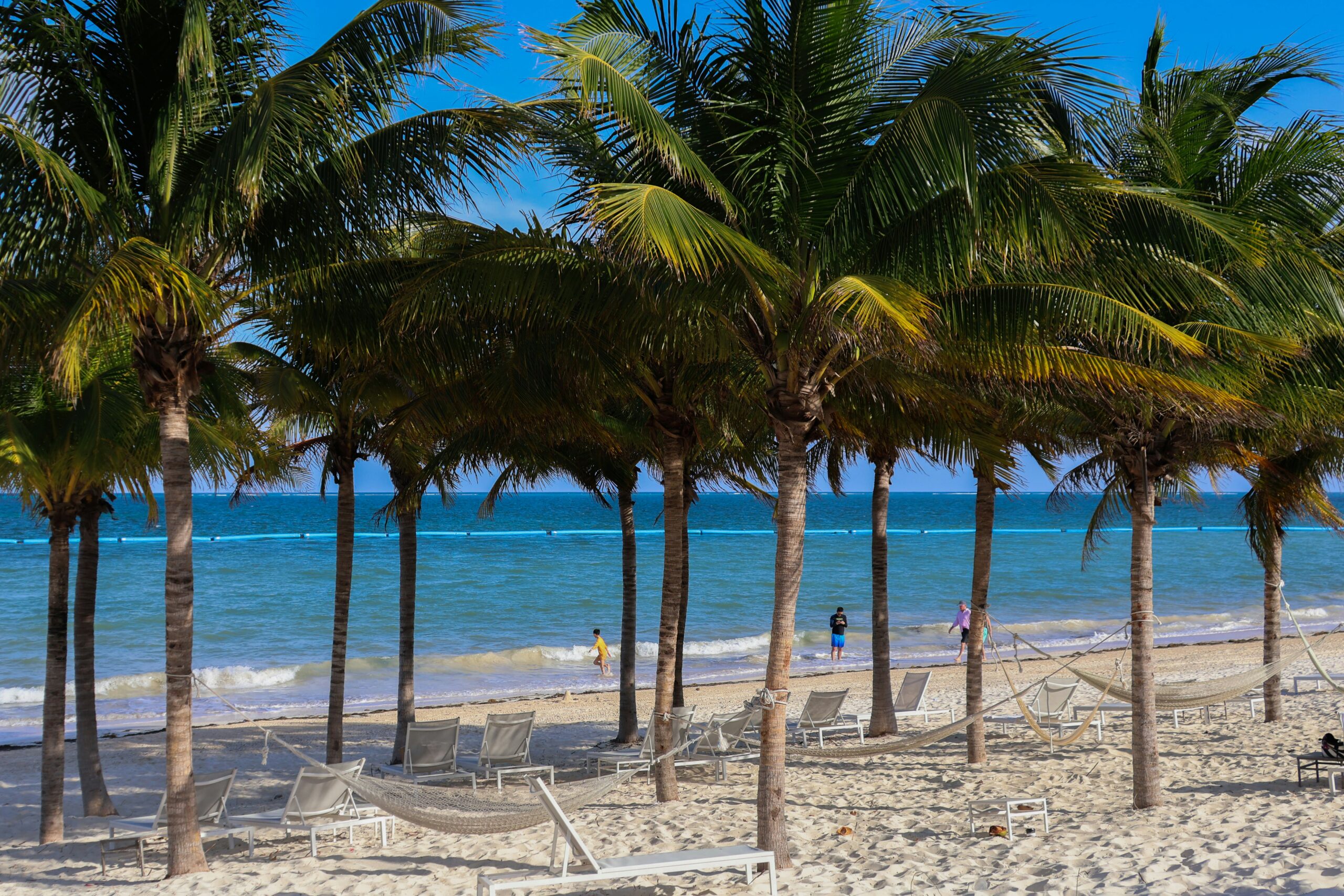
The basic meaning of horizonte is the line where the earth or sea seems to meet the sky. It is the visual limit of what you can see when you look into the distance. Beyond this literal meaning, horizonte is often used figuratively to talk about the future or possibilities, similar to how English speakers say expanding one’s horizons.
Etymology: The Spanish word comes from the Latin and Greek roots related to dividing or limiting sight. The Greek verb horizein meant to mark a boundary or limit, which evolved into the idea of a visible edge in the sky. Because of this history, horizonte often carries the sense of a line or limit, literal or metaphorical.
Usage and Example Sentences
Spanish: El barco desapareció en el horizonte.
English: The boat disappeared on the horizon.
Spanish: Desde la cima de la colina pudimos ver todo el horizonte.
English: From the top of the hill we could see the entire horizon.
Spanish: Este viaje amplió mi horizonte cultural.
English: This trip broadened my cultural horizons.
Spanish: El sol se puso justo en el horizonte y el cielo se volvió naranja.
English: The sun set right on the horizon and the sky turned orange.
Spanish: Hay muchas oportunidades en el horizonte para jóvenes emprendedores.
English: There are many opportunities on the horizon for young entrepreneurs.
Spanish: Miró hacia el horizonte y decidió seguir adelante.
English: He looked toward the horizon and decided to move forward.
Spanish: La niebla ocultó el horizonte durante toda la mañana.
English: The fog hid the horizon all morning.
Synonyms, Antonyms, and Word Usage Differences
Synonyms: You can find similar words depending on the context. For literal visual limits, words like línea del horizonte or línea del cielo can be used but are less common. For figurative uses meaning future possibilities, words like futuro or perspectivas sometimes replace horizonte, especially when talking about plans or career prospects.
Antonyms: Opposites depend on the meaning. For the literal sense, an opposite could be primer plano (foreground) because that refers to things close to you rather than at the horizon. For the figurative sense, antonyms might be estancamiento or falta de perspectivas, meaning stagnation or lack of prospects.
Usage differences: Choose horizonte when you mean the distant visual limit or when you want a metaphor for future possibilities or expanding views. Use futuro when you specifically mean time to come. Use perspectiva(s) when you want to emphasize viewpoint, opinion, or a particular angle rather than a broad limit or range of possibilities.
Pronunciation and Accent
Pronunciation guidance: The stress in horizonte falls on the third-to-last syllable: ho-ri-ZON-te. In Spanish phonetics the o in the stressed syllable sounds similar to the o in English for hot but a bit clearer and shorter.
IPA notation: /oɾiˈsonte/ or more broadly [oɾiˈs̺onte]. Note that the initial h is silent in Spanish, so you do not pronounce an h sound at the beginning.
Common mistakes: English speakers sometimes try to pronounce the initial h or stress the wrong syllable, saying ho-RI-zon-te or HORIZON-te. Remember the silent h and the stress on -zon-. Also avoid anglicizing the vowel sounds; Spanish vowels are pure and shorter than many English vowel sounds.
Native Speaker Nuance and Usage Context
Everyday use: Native speakers use horizonte in both literal and figurative ways. Literally, it appears in casual phrases like mirar el horizonte or perderse en el horizonte when talking about scenery at the beach or countryside. Figuratively, people say cosas como tener un horizonte amplio or ampliar el horizonte to mean learning new things or seeing more possibilities.
Formal vs informal: Horizonte is neutral in register. It works in formal writing, newspapers, academic texts, poems, and everyday conversation. Because of its slightly poetic ring, it appears often in literature, travel writing, and speeches when describing future hopes or large ideas.
Fixed expressions and collocations: Common pairings include horizonte lejano (distant horizon), horizonte cercano (near horizon, often meaning something that will happen soon), and horizonte temporal (time horizon, used in economics or planning). In business or education contexts, horizonte temporal refers to the time frame considered for plans or forecasts.
Non-literal nuance: When used figuratively, horizonte communicates openness, possibility, or limit. Saying no ver más allá del horizonte can imply someone cannot imagine beyond current limits. Therefore the word can carry positive connotations of exploration or negative ones indicating limitation, depending on context.
Conclusion
Learning horizonte gives you a versatile word that describes both what you can see at the edge of the world and the limits or possibilities of the future. It is easy to remember because it resembles the English horizon, but be careful with pronunciation: the h is silent and the stress is on the -zon- syllable. Use horizonte for scenery descriptions, poetry, and common figurative expressions about expanding views or planning ahead. Practice with the example sentences above, and try to include the word in simple sentences about trips, plans, or goals. With a little practice you will be able to identify and use horizonte correctly in everyday Spanish and more advanced contexts.