Introduction
atardecer is a beautiful and useful Spanish word that describes a daily natural event: the time of day when the sun goes down and daylight slowly fades. For English-speaking Spanish learners, learning atardecer gives you a simple noun and verb that appear often in conversation, travel writing, weather reports, and poetry. This word also carries gentle emotional and atmospheric meaning, so you can use it to talk about colors, moods, and routines. Understanding atardecer helps learners describe time and scenes more vividly and connects to many common expressions and verbs in Spanish.
Meaning and Definition
Atardecer primarily means sunset or dusk. As a noun, it refers to the period of time when the sun is going down and the sky changes color. As a verb (atardecer), it means to become evening or to get dark as the sun sets. The basic nuance is the transition from daylight to evening, often with a calm or reflective feeling. The word comes from the Spanish prefix a- (a form of hacia, meaning toward) plus tardecer, related to tarde (afternoon). So etymologically it suggests moving toward the late part of the day.
Usage and Example Sentences
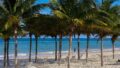
Spanish: Me encanta ver el atardecer desde la playa.
English: I love watching the sunset from the beach.
Spanish: Vamos a dar un paseo al atardecer para aprovechar la luz.
English: Let’s go for a walk at dusk to make the most of the light.
Spanish: Cada día el parque se ve diferente al atardecer.
English: Every day the park looks different at sunset.
Spanish: Cuando atardece, las farolas se encienden poco a poco.
English: When it gets dark, the streetlights turn on little by little.
Spanish: Nos quedamos en el balcón hasta que atardeció.
English: We stayed on the balcony until it became evening.
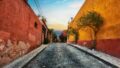
Spanish: El atardecer tiñó el cielo de naranja y rosa.
English: The sunset dyed the sky orange and pink.
Spanish: Prefiero leer al atardecer cuando el día está calmado.
English: I prefer to read at dusk when the day is calm.
Spanish: En verano, el atardecer suele ser más tarde que en invierno.
English: In summer, the sunset is usually later than in winter.
Synonyms, Antonyms, and Word Usage Differences
Related words include puesta de sol, ocaso, and crepúsculo. Puesta de sol is a direct synonym for sunset and focuses on the moment the sun disappears below the horizon. Ocaso is a more literary or formal word meaning sunset or decline and is often used in poetic contexts. Crepúsculo refers to twilight or dusk and can include both dawn (crepúsculo matutino) and evening twilight (crepúsculo vespertino). Choose atardecer for everyday speech and descriptions of the evening light. Use puesta de sol when talking about the specific event of the sun setting, and use crepúsculo if you want to emphasize the soft, dim light before full night.
Opposites include amanecer, which means sunrise or dawn. Use amanecer to talk about the start of the day and atardecer to talk about the end of the day.
Pronunciation and Accent
Pronounce atardecer roughly like ah-tar-deh-SER in English phonetics. The stress is on the last syllable: -cer. In IPA it is /ataɾdeˈθeɾ/ for Spain (Castilian) when the c before e is pronounced like the English th sound, and /ataɾdeˈseɾ/ for Latin America where c before e is pronounced like s. Break it into syllables: a-tar-de-cer. Common pronunciation mistakes include stressing the wrong syllable (for example atar-DE-cer) or dropping the middle r sound. Remember that the final r is a single tapped r in most contexts, similar to the r in Spanish verbo. There is no accent mark in the written word because it follows regular stress rules for words ending in a consonant other than n or s, so the natural stress falls on the final syllable.
Native Speaker Nuance and Usage Context
Native speakers use atardecer in many everyday contexts. You will hear it in weather reports (El atardecer estará nublado), in plans (Quedamos al atardecer), and in casual conversation to describe mood or scene (El atardecer fue precioso). It is neutral and suitable for both informal and formal speech, but other choices like ocaso or crepúsculo may be preferred in poetry, literature, or when a more elevated tone is desired.
In many Spanish-speaking countries, people talk about doing activities al atardecer, such as walking, exercising, or socializing, because temperatures cool down and light is pleasant. Photographers often mention atardecer as the best time for warm, soft lighting. You may also hear phrases like al anochecer to indicate a later time when full night arrives; al atardecer is earlier than al anochecer.
Conclusion
Learning atardecer gives you a versatile word that functions as both noun and verb, useful for describing a common daily event and the atmosphere that comes with it. You now know the basic meaning, related words, pronunciation tips, and natural contexts where native speakers use the term. Practice by describing scenes, times of day, and plans using atardecer, and compare it with amanecer, puesta de sol, and crepúsculo to master subtle differences. With this word in your vocabulary, your Spanish descriptions of time, light, and mood will become more vivid and accurate.