Introduction
Learning Spanish vocabulary involves understanding not just direct translations, but also the cultural and contextual nuances that give words their true meaning. The term accesoria represents an interesting example of how Spanish real estate and architectural terminology differs from English conventions. This word appears frequently in property listings, architectural discussions, and everyday conversations about housing throughout the Spanish-speaking world. While it might seem straightforward at first glance, accesoria carries specific meanings that vary slightly across different Latin American countries and Spain. Understanding this term will help learners navigate real estate conversations, read property advertisements more effectively, and comprehend architectural descriptions with greater confidence. Whether you are planning to rent an apartment in Mexico City, buy property in Buenos Aires, or simply expand your Spanish vocabulary, mastering accesoria and its related terms will prove invaluable.
Meaning and Definition
Primary Definition
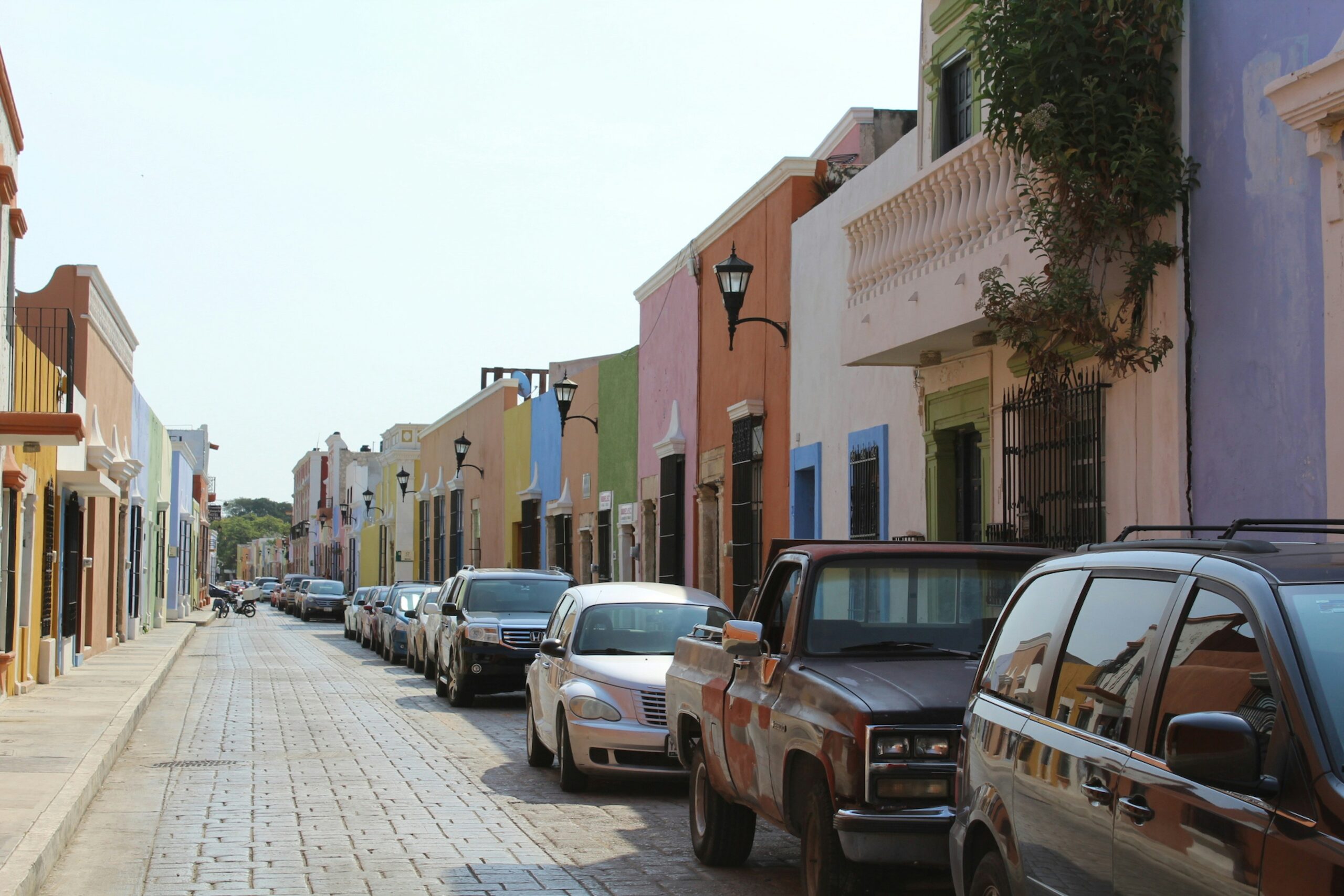
The word accesoria refers to a small, independent dwelling unit or apartment, typically one that has direct access from the street rather than through a common hallway or building entrance. In many contexts, an accesoria is a modest residential space, often consisting of one or two rooms, that opens directly onto the street or a courtyard. This type of housing is particularly common in older neighborhoods of Mexico and other Latin American countries.
Etymology and Word Formation
The term accesoria derives from the Spanish word acceso, meaning access or entrance. The suffix -oria indicates a place or location related to the root word. Therefore, accesoria literally suggests a place characterized by its access or entrance. Historically, these units were often built as separate structures or conversions of ground-floor spaces in larger buildings, each with its own independent entrance. The architectural design reflected the social and economic structures of colonial and post-colonial Latin America, where such modest dwellings housed workers, artisans, and lower-income families.
Regional Variations in Meaning
While accesoria maintains its core meaning across Spanish-speaking regions, there are notable variations. In Mexico, particularly in cities like Mexico City and Guadalajara, an accesoria typically refers to a small ground-floor apartment with street access. In some Central American countries, the term may also encompass small commercial spaces or workshops that open directly to the street. In Spain, the word is less commonly used, with terms like bajo (ground floor apartment) or estudio (studio apartment) being more prevalent. Understanding these regional differences helps learners communicate more precisely depending on their geographic context.
Usage and Example Sentences
Common Contexts and Practical Examples
The word accesoria appears most frequently in real estate contexts, architectural discussions, and everyday conversations about housing. Below are several example sentences demonstrating various uses:
Example 1:
Alquilamos una accesoria pequeña en el centro histórico de la ciudad.
Translation: We rented a small ground-floor apartment in the historic city center.
Example 2:
La accesoria tiene su propia entrada desde la calle, lo cual es muy conveniente.
Translation: The unit has its own entrance from the street, which is very convenient.
Example 3:
Muchas accesorias antiguas han sido renovadas y convertidas en cafeterías modernas.
Translation: Many old ground-floor units have been renovated and converted into modern cafes.
Example 4:
Estoy buscando una accesoria económica cerca de la universidad para el próximo semestre.
Translation: I am looking for an affordable ground-floor apartment near the university for next semester.
Example 5:
La accesoria consta de una habitación, un baño pequeño y una cocineta integrada.
Translation: The unit consists of one room, a small bathroom, and an integrated kitchenette.
Example 6:
En ese edificio colonial, cada accesoria mantiene sus puertas de madera originales.
Translation: In that colonial building, each ground-floor unit maintains its original wooden doors.
Example 7:
Prefiero vivir en una accesoria porque no tengo que subir escaleras con las compras.
Translation: I prefer living in a ground-floor unit because I do not have to climb stairs with groceries.
Example 8:
El propietario decidió dividir la casa grande en tres accesorias independientes.
Translation: The owner decided to divide the large house into three independent units.
Synonyms, Antonyms, and Related Terms
Synonyms and Similar Words
Several Spanish words share similarities with accesoria, though each carries distinct connotations. The word departamento is a general term for apartment used throughout Latin America, but it does not specifically indicate street-level access or size. Vivienda refers broadly to any dwelling or housing unit. The term bajo, common in Spain, specifically means ground floor but lacks the cultural and architectural implications of accesoria. Estudio refers to a studio apartment, emphasizing the single-room layout rather than the entrance type. Cuarto de azotea means rooftop room, representing the opposite vertical position. Each synonym provides a slightly different perspective on housing types, and choosing the right word depends on the specific characteristics you wish to emphasize.
Antonyms and Contrasting Terms
Understanding what accesoria is not helps clarify its meaning. A penthouse or ático represents luxury housing at the top of a building, contrasting with the modest, street-level nature of an accesoria. Mansión or casa grande (mansion or large house) contrasts in terms of size and status. Departamento de lujo (luxury apartment) emphasizes high-end features absent from typical accesoria units. These contrasts help learners understand the socioeconomic and architectural contexts in which accesoria is most appropriately used.
Related Real Estate Vocabulary
To fully navigate Spanish real estate terminology, learners should familiarize themselves with related words. Inquilino means tenant, while arrendador refers to the landlord. Renta and alquiler both mean rent, with regional preferences for each term. Contrato de arrendamiento is a rental contract. Depósito or fianza refers to a security deposit. Servicios públicos means utilities. Amueblado indicates furnished, while sin amueblar means unfurnished. Building these vocabulary connections creates a comprehensive understanding of housing-related discussions.
Pronunciation and Accent Guidelines
Phonetic Breakdown
The pronunciation of accesoria follows standard Spanish phonetic rules. In International Phonetic Alphabet notation, it is transcribed as [ak.seˈso.ɾja] or [ak.θeˈso.ɾja], depending on whether you are using Latin American or Castilian Spanish pronunciation. The word contains four syllables: ac-ce-so-ri-a. The stress falls on the third syllable, so, which is indicated by the natural stress pattern rather than a written accent mark.
Letter-by-Letter Pronunciation Guide
Breaking down each component: The initial a is pronounced like the a in father. The double cc is pronounced as a hard k sound in Latin America, or as k-th in Spain (where the c before e is pronounced with the theta sound). The e is pronounced like the e in met. The s is a clear s sound. The o is pronounced like the o in note. The r is a single tap r, not a rolled rr. The i is pronounced like the ee in see. The final a is again like the a in father. Practicing these individual sounds before combining them helps achieve accurate pronunciation.
Common Pronunciation Mistakes
English speakers often make predictable errors when pronouncing accesoria. One common mistake is placing stress on the wrong syllable, particularly emphasizing the first or last syllable instead of so. Another error involves pronouncing the double cc as a soft s sound rather than the hard k sound. Some learners also struggle with the Spanish r, either pronouncing it as an English r or over-rolling it like a double rr. Finally, English speakers sometimes add a y sound between syllables, turning ri-a into ri-ya. Recording yourself and comparing your pronunciation with native speakers helps identify and correct these common errors.
Native Speaker Nuance and Cultural Context
Socioeconomic Connotations
Understanding the cultural implications of accesoria is essential for appropriate usage. Historically and in contemporary contexts, this term often carries associations with modest or working-class housing. While not inherently negative, accesoria suggests smaller, more affordable accommodations rather than luxury housing. In many Mexican cities, accesoria units are found in older neighborhoods and may lack modern amenities. However, in gentrifying areas, renovated accesoria spaces have become trendy, valued for their street access and historical character. Native speakers intuitively understand these nuances and adjust their usage accordingly, something learners should observe and emulate.
Formal vs. Informal Usage
The word accesoria sits comfortably in both formal and informal registers, though context matters. In real estate advertisements and formal documents, accesoria appears alongside technical specifications and legal terms. In casual conversation, people might simply say cuarto (room) or departamentito (small apartment) when referring to similar spaces. When speaking with a real estate agent or landlord, using accesoria demonstrates vocabulary sophistication and clear communication. Among friends discussing housing, more colloquial terms often substitute, though accesoria remains perfectly acceptable.
Regional Preferences and Alternatives
Geographic location significantly influences whether native speakers use accesoria or prefer alternatives. Mexican speakers, particularly those in central Mexico, use this term naturally and frequently. In contrast, speakers from Spain rarely encounter or use accesoria, instead preferring bajo, planta baja, or apartamento. Argentine and Chilean speakers might use departamento or monoambiente, avoiding accesoria entirely. Colombian and Venezuelan speakers recognize the term but may opt for apartaestudio or simply apartamento. Learners should research regional preferences for their target dialect while maintaining receptive knowledge of accesoria for comprehension across different Spanish-speaking contexts.
Modern Usage Trends
Contemporary usage of accesoria reflects changing urban landscapes and housing markets. In gentrifying neighborhoods, real estate developers and agents have begun marketing renovated accesoria units as charming, character-filled spaces with desirable street access. This represents a shift from the term’s traditional working-class associations. Additionally, the rise of online rental platforms has standardized real estate vocabulary, though regional terms like accesoria persist in local listings. Young professionals and students increasingly seek accesoria rentals for their affordability and convenience, particularly in university neighborhoods. These evolving patterns demonstrate how language adapts to social and economic changes while maintaining historical roots.
Practical Tips for Learners
When incorporating accesoria into your active vocabulary, consider several practical strategies. First, observe how native speakers use the term in authentic contexts like rental websites, neighborhood conversations, and property discussions. Second, practice using accesoria in complete sentences rather than isolation, building natural phrase patterns. Third, learn related vocabulary simultaneously, creating semantic networks that enhance retention and appropriate usage. Fourth, pay attention to regional variations through exposure to media and speakers from different countries. Fifth, do not hesitate to ask native speakers for clarification about connotations and appropriate contexts, as this demonstrates genuine interest in cultural nuance rather than linguistic deficiency.
Conclusion
Mastering the word accesoria provides learners with more than just another vocabulary item; it opens windows into Hispanic culture, architecture, and social history. This term encapsulates aspects of urban living, economic realities, and regional linguistic diversity that enrich our understanding of Spanish-speaking communities. From its etymological roots in the concept of access to its contemporary applications in real estate markets, accesoria demonstrates how language reflects and shapes our physical environments. Whether you encounter this word in a Mexican property listing, a conversation about urban development, or a historical discussion of colonial architecture, you now possess the knowledge to comprehend and use it appropriately. Continue building your vocabulary by exploring related terms, practicing pronunciation with native speakers, and immersing yourself in authentic Spanish-language content. Remember that language learning is not merely about memorizing definitions but about understanding the cultural contexts that give words their true meaning and power. The journey from novice to fluent speaker involves countless small steps, and mastering nuanced terms like accesoria represents significant progress along that rewarding path.