Introduction
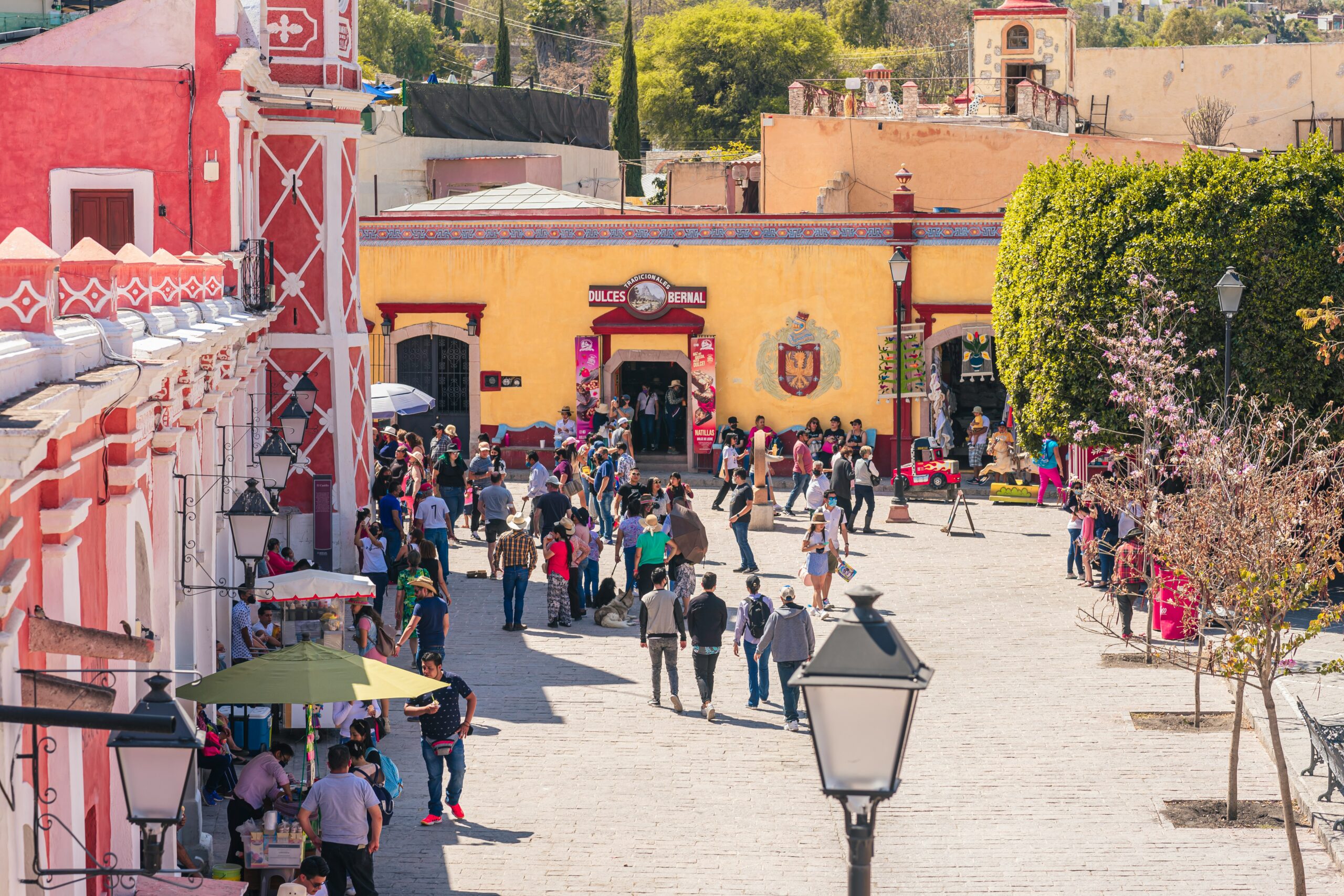
Learning Spanish verbs involves understanding not just their basic meanings, but also the cultural contexts and nuances that make them come alive in conversation. The verb abarrotar is a fascinating example of how Spanish captures vivid imagery through language. This dynamic verb paints a picture of spaces filled to capacity, crowds pressing together, and containers overflowing with contents. Whether you encounter it in a bustling marketplace, a packed concert venue, or a news report about overcrowded conditions, understanding abarrotar will enhance your ability to describe fullness and congestion with authentic Spanish flair. This comprehensive guide explores every aspect of this useful verb, from its historical roots to modern usage, helping intermediate and advanced learners master its application in real-world contexts.
Meaning and Definition
Core Definition
The verb abarrotar means to pack, cram, or fill something to capacity, often to the point of overflowing. It describes the action of filling a space completely, leaving little to no room for anything else. The word conveys a sense of abundance that borders on excess, suggesting that whatever is being filled has reached or exceeded its intended capacity.
Etymology and Historical Context
The origins of abarrotar trace back to the Spanish word barrote, meaning bar or rod. Historically, the term was used in maritime contexts, referring to the practice of securing cargo in a ship’s hold using bars or stowing goods so tightly that they could not shift during voyage. Over time, the meaning expanded beyond nautical usage to describe any situation where something is packed extremely tightly or filled beyond normal capacity. This evolution reflects how Spanish vocabulary often preserves traces of Spain’s rich maritime history while adapting to broader contemporary uses.
Grammatical Properties
As a regular -ar verb, abarrotar follows predictable conjugation patterns. In the present tense, it conjugates as: yo abarroto, tú abarrotas, él/ella abarrota, nosotros abarrotamos, vosotros abarrotáis, ellos abarrotan. The verb can be used transitively, taking a direct object (abarrotar un lugar), or in reflexive form (abarrotarse) to indicate that something becomes packed or crowded on its own or by the action of many people.
Usage and Example Sentences
Common Contexts and Applications
The verb abarrotar appears frequently in contexts involving crowds, commercial spaces, storage, and events. Here are detailed examples showing its versatility:
Los fanáticos abarrotaron el estadio para ver el partido final.
The fans packed the stadium to watch the final match.
Durante las rebajas, los compradores abarrotan las tiendas desde temprano.
During the sales, shoppers cram the stores from early morning.
El supermercado se abarrota los fines de semana antes de días festivos.
The supermarket gets packed on weekends before holidays.
Necesitamos abarrotar la bodega con suficiente mercancía para todo el mes.
We need to stock the warehouse with enough merchandise for the whole month.
Los turistas abarrotaron las calles del centro histórico durante el festival.
Tourists crowded the streets of the historic center during the festival.
No podemos abarrotar más cajas en este almacén porque ya está completamente lleno.
We cannot cram more boxes in this storage room because it is already completely full.
Las plataformas de transporte se abarrotan durante las horas pico.
The transportation platforms get packed during rush hours.
Los organizadores esperan que miles de personas abarroten el concierto benéfico.
The organizers expect thousands of people to pack the charity concert.
Después del anuncio, los clientes abarrotaron la tienda en línea y colapsó el servidor.
After the announcement, customers flooded the online store and the server crashed.
Los estantes están abarrotados de productos importados de varios países.
The shelves are crammed with imported products from various countries.
Synonyms, Antonyms, and Word Usage Differences
Synonyms and Related Terms
Several Spanish verbs share similar meanings with abarrotar, but each carries distinct nuances. The verb llenar means to fill but lacks the intensity and sense of overcrowding that characterizes abarrotar. You might llenar a glass with water, but you would use abarrotar when describing a stadium packed beyond comfortable capacity.
The verb atiborrar also means to cram or stuff, and it is very close in meaning to abarrotar. However, atiborrar often implies a more forceful or excessive stuffing, sometimes with negative connotations. You might atiborrar yourself with food at a buffet, suggesting overindulgence, while abarrotar more neutrally describes fullness.
Atestar is another synonym meaning to pack tightly or cram. It emphasizes the density and compression involved in the filling process. The phrase atestar de gente (to pack with people) is common, and the two verbs are often interchangeable.
Repleto and atestado function as adjectives rather than verbs but are frequently used to describe the result of abarrotar. Un lugar repleto or un lugar atestado both describe a place that is packed full, the end state after the action of cramming or packing has occurred.
Congestionar focuses more on traffic and movement flow, describing congestion rather than physical fullness. While abarrotar might describe a packed parking lot, congestionar would better describe the traffic jam leading to that parking lot.
Antonyms and Opposite Concepts
Understanding what abarrotar is not helps clarify its meaning. Vaciar means to empty, the direct opposite of filling to capacity. Despejar means to clear out or make space, reversing the crowded condition that abarrotar creates. Desocupar refers to vacating or leaving a space empty, while espaciar means to space things out, providing room between items rather than cramming them together.
Pronunciation and Accent
Phonetic Breakdown
The pronunciation of abarrotar follows standard Spanish phonetic rules. In International Phonetic Alphabet notation, it is represented as /a.ba.ro.ˈtar/. The word contains four syllables: a-ba-rro-tar, with the stress falling on the final syllable tar, as indicated by the infinitive -ar ending.
Pronunciation Tips for Learners
When pronouncing abarrotar, pay attention to the double r in the middle of the word. The rr in Spanish requires a strong rolling or trilling sound, produced by vibrating the tip of the tongue against the alveolar ridge. This distinguishes it from the single r, which is a softer tap. English speakers often find this challenging, but practice with words containing rr will improve fluency.
The initial a is pronounced like the a in father, open and clear. The second syllable ba follows the same vowel sound. The o in rro is pronounced like the o in go, and the final a in tar matches the initial vowel. Remember that Spanish vowels are pure and consistent, without the gliding quality often present in English vowels.
The stress pattern is crucial for proper pronunciation. While the infinitive form stresses the final syllable, conjugated forms shift the stress. For example, in abarroto (I pack), the stress moves to the o in the second-to-last syllable, following the typical Spanish pattern for present tense -o endings. This stress shift occurs throughout the conjugation paradigm, making it essential to practice various forms aloud.
Regional Variations
Throughout the Spanish-speaking world, abarrotar maintains relatively consistent pronunciation, though minor regional variations exist. In some Caribbean dialects, speakers may soften or aspirate the final r sounds, while in Andean regions, pronunciation tends to be more precise and clipped. These variations are subtle and do not impede comprehension across different Spanish-speaking communities.
Native Speaker Nuance and Usage Context
Formal versus Informal Contexts
The verb abarrotar occupies a neutral register in Spanish, making it appropriate for both formal and informal contexts. You will encounter it in news reports describing crowded conditions, business communications about inventory management, and casual conversations about weekend shopping experiences. This versatility makes it particularly valuable for language learners seeking vocabulary that transfers across different social settings.
In formal writing, abarrotar appears frequently in journalism, especially in articles covering public events, retail trends, or urban planning issues. Headlines might read Las playas se abarrotan durante la temporada alta (Beaches become packed during high season) or Los hospitales abarrotados enfrentan nuevos desafíos (Packed hospitals face new challenges). The verb conveys factual information about capacity and crowding without editorializing.
Emotional and Cultural Connotations
While abarrotar primarily describes physical fullness, native speakers understand its contextual implications. When describing a popular event that abarrota a venue, the word carries positive connotations of success and popularity. The packed stadium indicates a well-attended, exciting match. The crammed store during sales suggests good deals and consumer enthusiasm.
However, when used to describe public transportation, hospitals, or other service-oriented spaces, abarrotar can carry negative undertones. Un hospital abarrotado suggests strain on resources and potentially compromised care quality. Las calles abarrotadas de tráfico implies frustration and wasted time. Context determines whether the fullness described by abarrotar is desirable or problematic.
Idiomatic Expressions and Collocations
Native speakers use abarrotar in several common collocations that language learners should recognize. The phrase abarrotado de gente (packed with people) appears frequently, as does abarrotado hasta los topes (packed to the rafters), which emphasizes extreme fullness. The expression abarrotarse de trabajo (to be swamped with work) extends the physical concept of cramming to abstract professional contexts.
In commercial contexts, the phrase abarrotar los estantes means to stock shelves full, a routine business activity. In contrast, abarrotarse el lugar suggests that crowds formed spontaneously, overwhelming the space. These subtle distinctions in phrasing convey different aspects of the filling process, whether deliberate or emergent.
Common Mistakes and Learning Pitfalls
Learners sometimes confuse abarrotar with abarrote, a related noun that means grocery store in some Latin American countries, particularly Mexico. While etymologically connected, these are distinct words with different functions. An abarrote is the store itself, while abarrotar describes the action of packing it full.
Another common error involves overusing abarrotar in situations where llenar would be more natural. Not every instance of filling requires the intensity that abarrotar implies. Filling a form, filling a position, or filling a schedule would use llenar or other more specific verbs rather than abarrotar, which specifically suggests physical fullness to capacity.
English speakers may struggle with choosing between abarrotar and its near-synonyms. Remember that abarrotar emphasizes the result of being packed full, often uncomfortably so. If you want to describe something merely full but not excessively crowded, llenar or another less intensive verb might be more appropriate. Native speakers appreciate this nuanced distinction in vocabulary selection.
Practical Usage Advice
When incorporating abarrotar into your active vocabulary, start by using it to describe obviously crowded situations: packed concerts, crammed subway cars, or overflowing storage spaces. As your confidence grows, expand to more nuanced applications, such as describing popular restaurants that regularly fill beyond capacity or discussing retail inventory management.
Pay attention to how native speakers use abarrotar in context by watching Spanish-language news, reading articles about public events, or listening to conversations about shopping and entertainment. Notice whether the speaker emphasizes the positive aspects of popularity or the negative aspects of overcrowding, as this contextual awareness will help you deploy the verb appropriately in your own speech and writing.
Practice conjugating abarrotar in different tenses and with various subjects. Describe past events (Los fanáticos abarrotaron el estadio), current situations (El metro se abarrota cada mañana), and future possibilities (Miles de personas abarrotarán la plaza mañana). This varied practice embeds the verb deeply in your active vocabulary, making it readily accessible when you need to describe crowded or packed conditions.
Conclusion
Mastering the verb abarrotar enriches your Spanish vocabulary with a vivid, versatile term for describing fullness and crowding. From its maritime origins to its modern applications across commercial, social, and urban contexts, this verb captures the dynamic nature of spaces filled beyond normal capacity. Understanding its nuances, proper pronunciation, and contextual implications enables you to communicate more precisely about crowded conditions, whether describing the excitement of a packed concert venue or the frustration of congested public spaces. By incorporating abarrotar into your active vocabulary alongside its synonyms and antonyms, you develop a more sophisticated ability to express degrees of fullness and crowding in Spanish. Practice using this powerful verb in varied contexts, paying attention to how native speakers deploy it in different registers and situations. With time and exposure, abarrotar will become a natural part of your Spanish expression, allowing you to paint vivid pictures of bustling markets, crowded streets, and overflowing spaces with authentic linguistic flair.