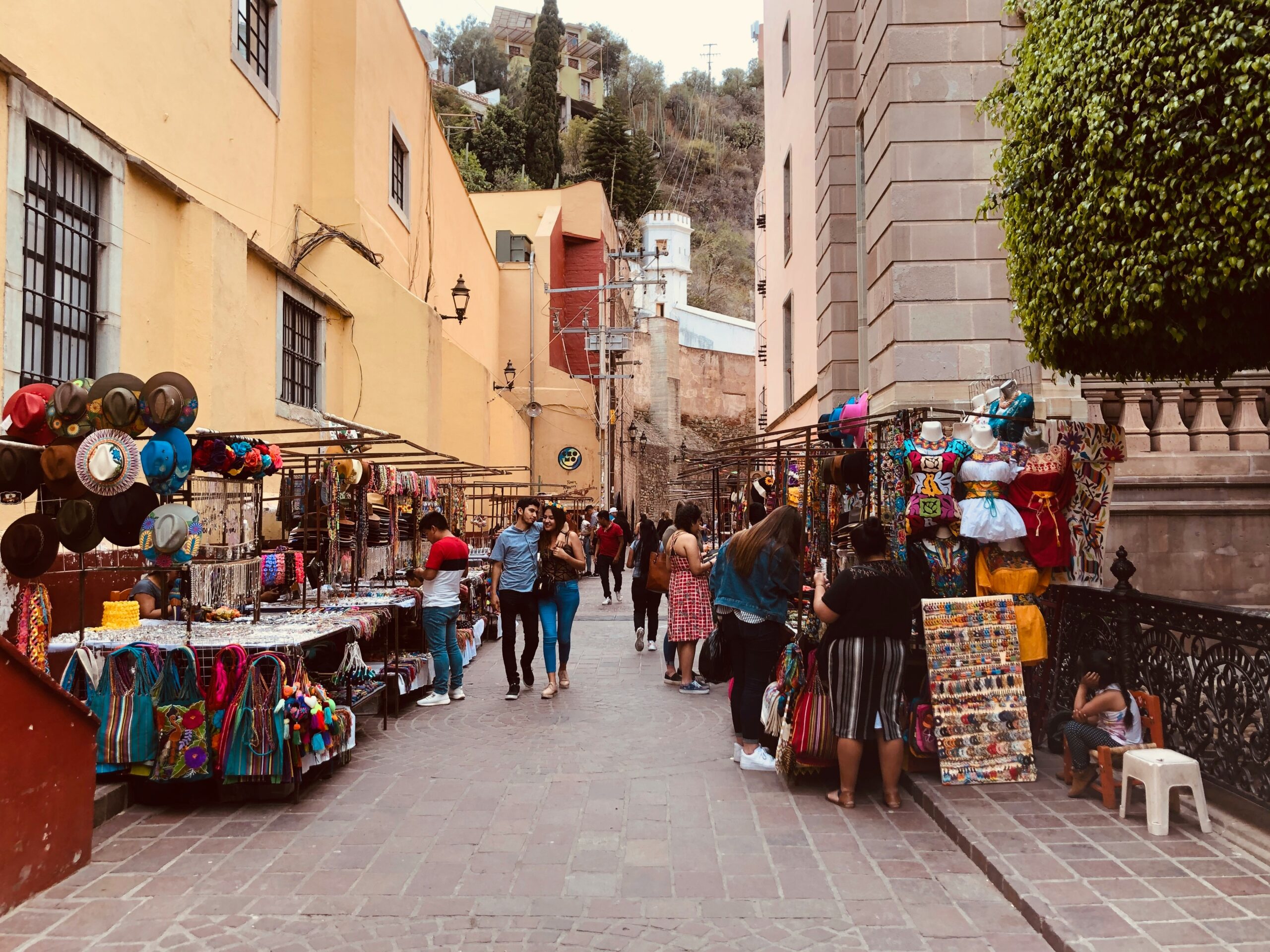
Introduction
Learning vocabulary is one of the most useful steps to becoming comfortable in a new language. One word that you might encounter in Spanish lessons, museums, grocery stores, fashion articles, or cultural discussions is indumentario. This word is a slightly more formal or literary way to refer to clothes, garments, or the complete set of clothing worn by a person or group. For English speakers, understanding indumentario helps expand vocabulary beyond the everyday words like ropa or vestido. It is especially helpful when reading descriptions of traditional costumes, museum labels, news about cultural events, and academic or journalistic writing about dress and fashion.
In this article you will learn the meaning, pronunciation, common uses, and example sentences that show how native speakers use the word. The explanations are written in clear, simple English so that middle school students and beginner-intermediate learners can follow along. By the end you will feel confident recognizing and using indumentario in appropriate contexts.
Meaning and Definition
Indumentario is a Spanish noun that refers to clothing, apparel, or garments. It often implies a collection or set of clothes rather than a single item. In many contexts, it describes traditional or ceremonial garments, uniforms, or the typical dress associated with a group, region, or occupation. While everyday Spanish speakers often use ropa for clothes, indumentario adds a slightly formal, cultural, or technical tone.
Basic definition: the garments or clothing a person or group wears; sometimes the study or description of traditional dress. Nuance: indumentario tends to emphasize the collective, cultural, or functional aspects of clothes — for example, the typical garments of a folk dance group, the uniform of a profession, or historical clothing displayed in a museum.
Etymology: Indumentario comes from the Latin verb indumentum, which means garment or covering. The word traveled through Latin-based Romance language evolution to become indumentario in Spanish. Knowing this root can help learners connect indumentario to other Romance-language words and to the idea of covering or dressing.
Usage and Example Sentences
Spanish: El museo tiene una exposición del indumentario tradicional de la región.
English: The museum has an exhibition of the region’s traditional indumentario.
Spanish: El grupo de teatro investigó el indumentario histórico para ser más fieles a la época.
English: The theater group researched historical indumentario to be more faithful to the period.
Spanish: En la fiesta, muchos invitados llevaron indumentario típico de sus países.
English: At the party, many guests wore the typical indumentario of their countries.
Spanish: El manual establece el indumentario obligatorio para los empleados de la fábrica.
English: The manual sets the mandatory indumentario for the factory employees.
Spanish: Los arqueólogos encontraron fragmentos que muestran el indumentario de la antigua civilización.
English: The archaeologists found fragments that show the indumentario of the ancient civilization.
Spanish: Para la fiesta temática, debemos preparar el indumentario de los años veinte.
English: For the themed party, we must prepare the indumentario of the twenties.
Spanish: El diseñador presentó una colección que mezcla indumentario tradicional con moda moderna.
English: The designer presented a collection that mixes traditional indumentario with modern fashion.
Spanish: La guía explicó el indumentario militar de la época sin entrar en detalles bélicos.
English: The guide explained the period’s indumentario without getting into warlike details.
Spanish: En las descripciones académicas, el término indumentario permite hablar de vestuario con precisión.
English: In academic descriptions, the term indumentario allows one to speak about clothing precisely.
Synonyms, Antonyms, and Word Usage Differences
There are several related Spanish words you will see often. The most common synonym is ropa, the everyday word for clothes. Vestimenta and vestuario are also close synonyms; vestimenta often refers to clothing in a slightly formal sense, similar to indumentario, while vestuario is commonly used for costume, stage clothing, or a wardrobe collection. Atuendo and conjunto mean outfit and are used when talking about a specific combination of garments.
Synonyms and subtle differences:
– ropa: general, everyday clothes
– vestimenta: formal or neutral term for clothing
– vestuario: costumes, stage clothes, or wardrobe
– atuendo/conjunto: specific outfit or combination of garments
– indumentario: collective, cultural, or technical term often used for traditional, ceremonial, or institutional clothing
Antonyms are less direct since we talk about absence of clothing in different ways. One word is desnudez, which means nakedness or nudity; this is the opposite conceptually but is rarely used as a direct antonym in neutral contexts. For describing a change in clothing, you might use desvestir or despojar when speaking of removing clothing.
How to choose the correct word: For everyday conversations about clothes, use ropa or atuendo. For museum labels, cultural descriptions, or formal writing about how a group dresses, indumentario or vestimenta is more appropriate. Use vestuario when discussing costumes for theatre, film, or dance. When in doubt and you want a neutral formal tone, indumentario is a safe choice for academic or descriptive contexts.
Pronunciation and Accent
Pronunciation guidance: indumentario is pronounced in Spanish with the stress on the third-to-last syllable: in-du-men-TA-rio. The IPA notation is /indumenˈtaɾjo/ or more commonly written as /indumenˈtaɾio/. Break it into syllables for easier practice: in-du-men-ta-rio. The letter d is pronounced like an English d at the start of a syllable, but between vowels it becomes softer, similar to the th in other languages but still distinct for English speakers. The r in -tario is a single flap r, like the sound in the Spanish word caro.
Key points:
– Stress: the main stress falls on ta (the antepenultimate syllable). Because it is a word ending in a vowel and the stress is on the third-to-last syllable, there is no written accent mark.
– Vowels: Spanish vowels are pure and short. Practice each vowel sound clearly: i = like ee in see, u = like oo in food, e = like e in bet, a = like a in father, o = like o in more.
– Consonants: the d between vowels can sound softer than English D, and the r is a single flap unless it appears as rr or at the beginning of a word.
Common mistakes:
– Stressing the wrong syllable, for example in-du-men-ta-RI-o, which sounds unnatural.
– Pronouncing the d as a hard English d every time; aim for a slightly softer sound when between vowels.
– Replacing the r with an English r sound; try a quick flap to sound more natural.
Native Speaker Nuance and Usage Context
Native speakers use indumentario in contexts where clothes are being described with emphasis on tradition, function, or formality. You will commonly find it in museum descriptions, cultural journalism, academic texts about fashion or anthropology, and in descriptions of uniforms or ceremonial dress. It is not as common in casual day-to-day talk among friends when they simply mean clothes; in that case ropa or atuendo is preferred.
Examples of contexts:
– Culture and tradition: When talking about folk costumes or regional dress, such as the indumentario of a dance troupe or indigenous community, speakers use indumentario to highlight historical or cultural significance.
– Professional and institutional settings: Manuals, standards, and workplace policies might mention indumentario to refer to required clothing or uniform standards.
– Museums and academia: Curators and researchers describe artifacts and historical garments with the term to communicate precision.
– Fashion writing: Journalists or critics may use indumentario to give an elevated or descriptive tone to a collection, especially when it draws on traditional or historical references.
Register and formality: Using indumentario gives your sentence a formal, descriptive, or scholarly tone. If you want to sound casual, use ropa, and if you are speaking about costumes you might prefer vestuario. Using indumentario in the wrong setting is not incorrect, but it can sound overly formal or out of place in casual conversation.
Conclusion
Understanding indumentario enriches your Spanish by giving you a term that covers the cultural, traditional, and formal aspects of clothing. It is especially useful when reading museum descriptions, academic articles, or cultural journalism, and it helps you speak precisely about uniforms, costumes, and historical garments. Pronounce it with the stress on -ta- and remember the softer Spanish d and the single-flap r. Choose indumentario when you want a formal or descriptive tone, and use ropa, vestuario, or atuendo for everyday speech or specific outfits.
Practice by reading museum labels, articles on traditional dress, or fashion reviews in Spanish. Try writing a few sentences about the typical indumentario of a holiday, school uniform, or a historical period. With a bit of practice, you will recognize the word quickly and be able to use it correctly in both spoken and written Spanish.

