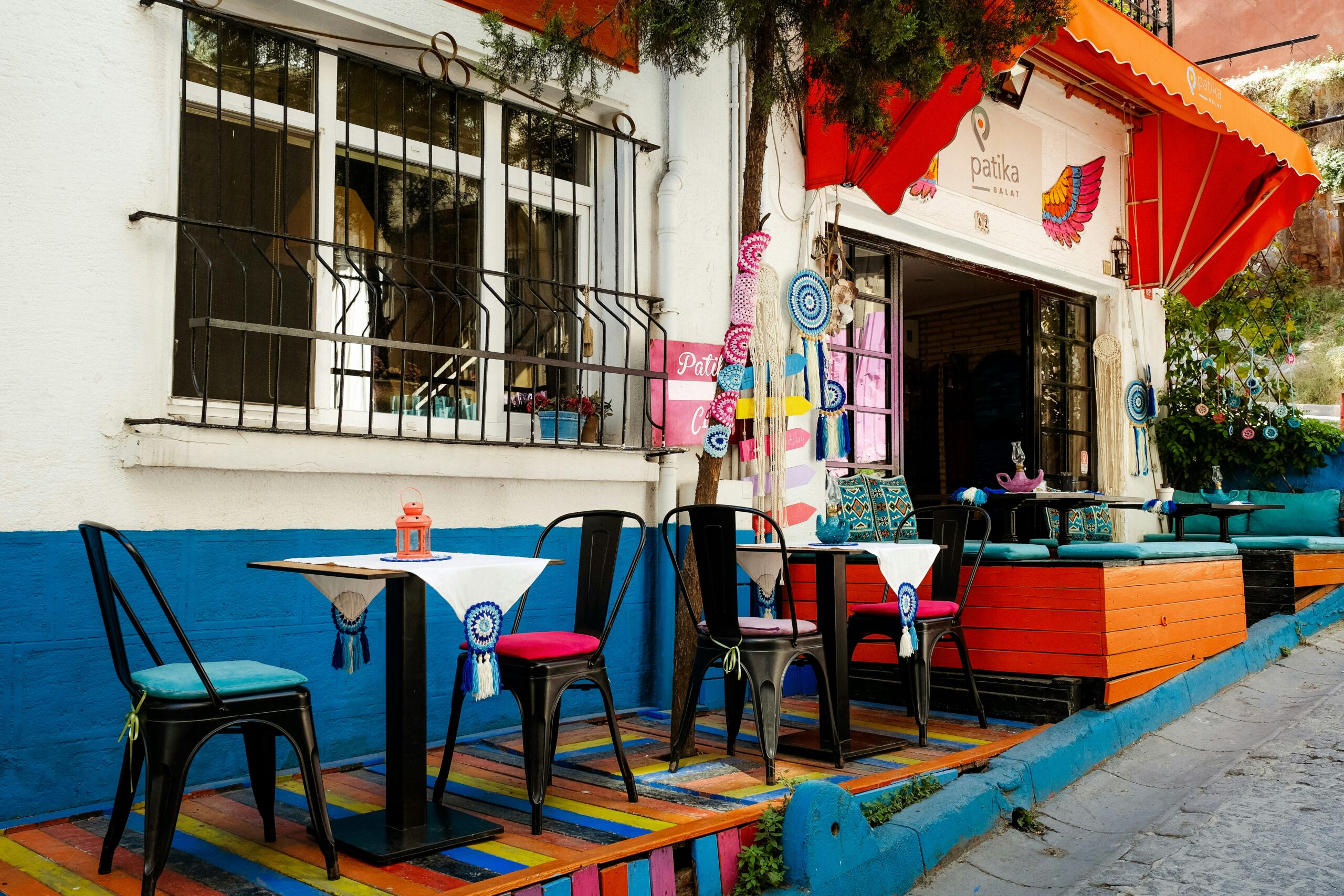
Introduction
hospedaje is a useful Spanish noun that you will hear often when talking about travel, hotels, and places to stay. For English-speaking Spanish learners, understanding hospedaje helps when planning trips, booking rooms, or asking for recommendations. The word appears in many contexts: tourism websites, travel conversations, rental listings, and even in casual talk when someone refers to where they are staying. Learning this word will also help you recognize related vocabulary like hotel, alojamiento, and alojamiento temporal. In this article you will learn the meaning, common uses, pronunciation, synonyms and antonyms, and plenty of example sentences so you can use hospedaje naturally and confidently.
Meaning and Definition
hospedaje means lodging, accommodation, or a place where someone stays temporarily. It refers to the act or place of being hosted or given a room, bed, or other sleeping arrangements. The word carries the idea of hospitality and a temporary stay rather than a permanent residence.
Basic definition: a service or place that provides a stay for travelers, guests, or visitors.
Common nuance: hospedaje emphasizes hosting and provision of a place to sleep or stay. It can refer to a hotel, guesthouse, hostel, Airbnb, or any arrangement where someone offers a room or lodging.
Etymology: hospedaje comes from the verb hospedar, which in turn derives from the Latin hospes, meaning guest or host. That root is also the source of English words like hospital and hospitality, which share the same idea of caring for guests.
Usage and Example Sentences
Spanish: Encontramos un buen hospedaje cerca de la playa.
English: We found good lodging near the beach.
Spanish: ¿Has reservado el hospedaje para el fin de semana?
English: Have you booked the accommodation for the weekend?
Spanish: El hospedaje incluye desayuno y acceso a la piscina.
English: The lodging includes breakfast and access to the pool.
Spanish: Prefiero un hospedaje tranquilo, no un lugar muy ruidoso.
English: I prefer a quiet accommodation, not a very noisy place.
Spanish: En la ciudad hay varios hospedajes económicos para estudiantes.
English: In the city there are several budget accommodations for students.
Spanish: El anfitrión nos ofreció hospedaje por dos noches.
English: The host offered us lodging for two nights.
Spanish: Buscamos hospedaje que permita mascotas.
English: We are looking for lodging that allows pets.
Spanish: Durante las vacaciones elegimos un hospedaje con cocina.
English: During the holidays we chose lodging with a kitchen.
Spanish: El seguro de viaje cubre cancelaciones del hospedaje.
English: Travel insurance covers lodging cancellations.
Synonyms, Antonyms, and Word Usage Differences
Common synonyms for hospedaje include alojamiento, hospedamiento, habitación, and estancia. Each has slight differences:
– alojamiento: a general and very common synonym that can be used in formal and informal contexts. It is often the safest choice when in doubt.
– hospedamiento: very similar to hospedaje and sometimes used interchangeably; slightly more formal in some regions.
– habitación: literally room; refers specifically to a room rather than the broader service of lodging.
– estancia: can mean stay or estate; when used for travel it refers to the duration of a stay rather than the physical lodging.
Antonyms: words that convey the opposite idea include residencia and domicilio, which imply a permanent home rather than temporary lodging. For example, domicilio is your official address, not your short-term hospedaje.
How to choose the correct word: use hospedaje or alojamiento when discussing where someone will sleep temporarily. Use habitación when talking about a specific room. Use residencia or domicilio when you mean a permanent place of living. If you need to be formal, alojamiento is generally a safe, neutral term; hospedaje can feel slightly more focused on hospitality or hosting.
Pronunciation and Accent
Pronunciation guidance: hospedaje is pronounced hos-pe-DAH-he. The stress falls on the third-to-last syllable when spoken naturally in many accents, but in standard Spanish the stress is on the syllable da: hos-pe-DA-je.
IPA notation: /os.peˈða.xe/ in many Latin American accents or /os.peˈða.xe/ depending on regional variations. Note that the initial h is silent in Spanish, so the word begins with an o sound.
Accent marks: hospedaje has no written accent mark. Spanish orthography places the stress on the syllable da because the word ends in a vowel and follows standard stress rules for words ending in vowels or -n or -s: the stress naturally falls on the second-to-last syllable; if that rule were broken, an accent would be written, but here none is needed.
Common pronunciation mistakes: English speakers sometimes pronounce the h as a hard sound like in English hat; remember the h is silent. Another common mistake is over-pronouncing the final e like a schwa; in Spanish it should be a clear e sound, similar to the e in better but shorter. Also be careful with the d sound: between vowels, Spanish d often sounds softer, like an interdental or voiced dental fricative in some accents, similar to the English th in this for many Spanish speakers.
Native Speaker Nuance and Usage Context
In everyday conversation native speakers use hospedaje to talk about where they will stay or what kind of lodging a place offers. For example, you might ask a friend about recommendations for hospedaje when planning a trip, or read about hospedaje options on travel sites. The word works well in both casual and semi-formal contexts.
Regional differences: in some countries like Mexico, Colombia, or Spain, speakers might prefer alojamiento or hotel over hospedaje in certain contexts. Hostels often use the term hospedaje juvenil or hostal for budget options. In some Latin American countries, people also use hospedaje to refer to small family-run guesthouses rather than large hotels.
Formal vs informal: hospedaje is neutral — you can use it with hotel staff, tourism agents, or friends. For more formal communication, such as contracts or legal documents, alojamiento or servicio de alojamiento might sound more official.
Common collocations and phrases: hospedaje gratuito (free lodging), reserva de hospedaje (lodging reservation), hospedaje temporal (temporary lodging), y opciones de hospedaje (lodging options). These collocations appear on travel websites and advertisements.
Conclusion
Learning the word hospedaje gives English-speaking Spanish learners a practical tool for travel and daily conversation. It clearly describes temporary lodging and is flexible enough to use with hotels, guesthouses, hostels, and rentals. Understanding its pronunciation, stress pattern, and related words like alojamiento and habitación will help you choose the right term for different situations. Practice using hospedaje in simple sentences when planning trips or asking for recommendations, and listen for it in travel guides and websites. With a bit of practice you will feel confident asking about or offering hospedaje in real Spanish-speaking contexts.

