Introduction
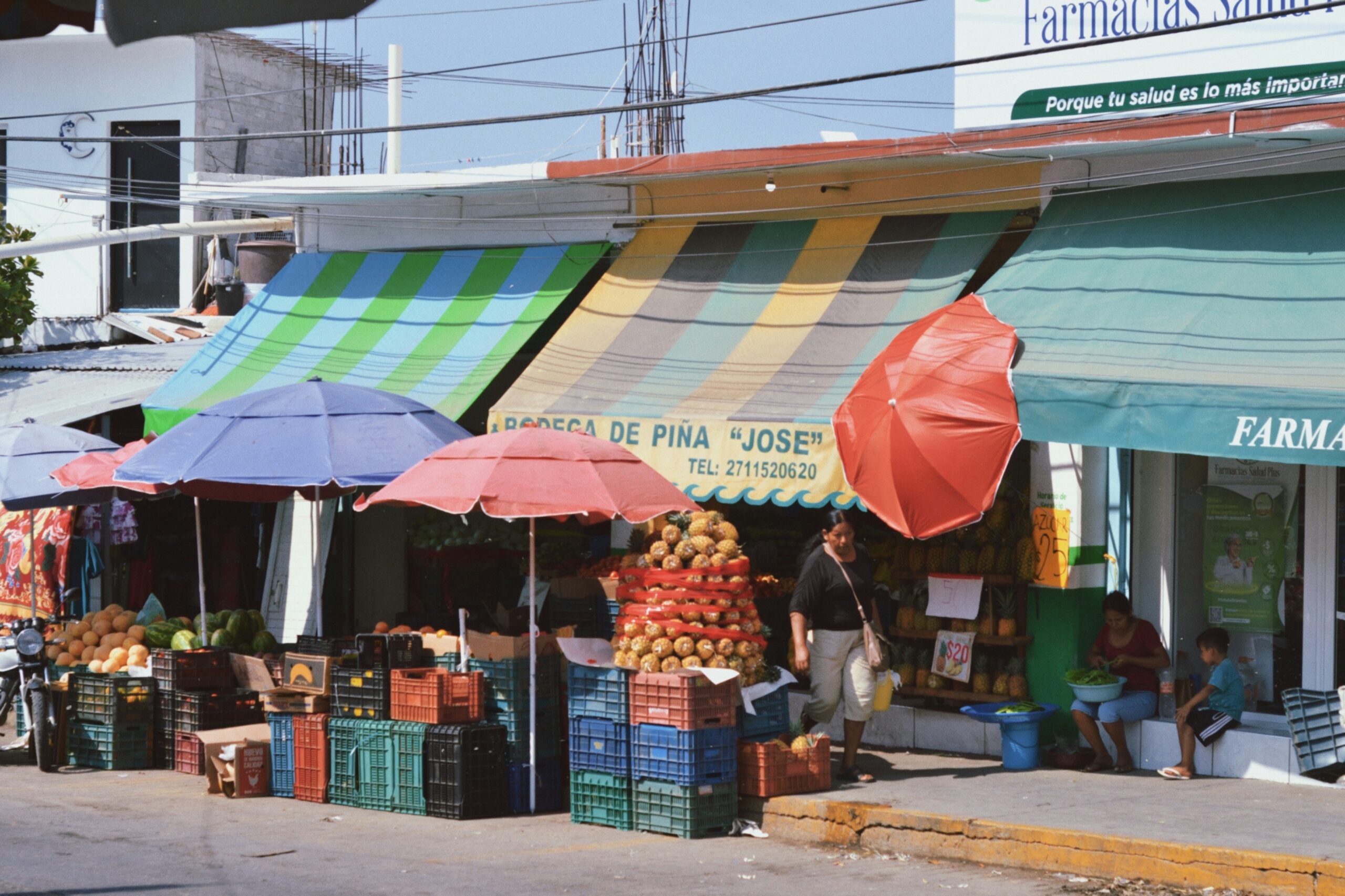
Ordering food at a street stand or food truck is one of the fastest ways to practice Spanish in real life. This article covers useful phrases, polite expressions, and natural short dialogues for beginner to intermediate learners who want to feel confident ordering, customizing, and paying for food in Spanish-speaking countries.
- Basic vocabulary for food stands
- Polite phrases to start the interaction
- Asking what’s available and recommendations
- Specifying quantity and preferences
- Handling dietary restrictions and allergies
- Paying and asking about price
- Common extras, condiments, and side requests
- Short dialogues for real-life practice
- Pronunciation tips and common pitfalls
- Regional variations and cultural tips
- Putting it all together: a practice script
- Conclusion
Basic vocabulary for food stands
Before diving into phrases, learn essential nouns and verbs that appear in most interactions.
taco — a common food item at stands.
taco, tortilla — flatbread used for tacos and quesadillas.
tortilla, orden — order.
orden, menu — menu or list of items.
menu, porción — portion or serving.
porción, bebida — drink.
bebida, camarero / vendedor — server or vendor (use depending on context).
camarero / vendedor, precio — price.
precio, cambio — change (money returned).
cambio
Polite phrases to start the interaction
Begin with a greeting and a simple phrase to indicate you want to order. Politeness goes a long way and helps you sound natural.
Hola, ¿qué tal? — Start friendly.
Hola, ¿qué tal?
Buenas — A quick, casual greeting used at stands.
Buenas
Quisiera una orden de tacos, por favor — A polite way to request an order.
Quisiera una orden de tacos, por favor.
Me gustaría probar algo típico — Use this to ask for a local recommendation.
Me gustaría probar algo típico.
Usage note
Both Quisiera and Me gustaría are conditional forms that soften requests. For more casual contexts, you can use Quiero, but it sounds more direct.
Asking what’s available and recommendations
Finding out what a stand serves and asking for recommendations helps you try popular items and avoid confusion.
¿Qué me recomienda? — Ask for the vendor’s recommendation.
¿Qué me recomienda?
¿Qué tienen hoy? — Ask what they have today if the menu changes daily.
¿Qué tienen hoy?
¿Está picante? — Ask whether a dish is spicy.
¿Está picante?
¿Es muy grande la porción? — Ask about portion size.
¿Es muy grande la porción?
Sample exchange
Vendor: Tenemos tacos al pastor y tacos de pescado.
Customer: ¿Qué me recomienda?
Vendor: Los de al pastor son los más pedidos.
Customer: Perfecto, quisiera dos.
Specifying quantity and preferences
Knowing how to specify numbers, sizes, and preferences will help you get exactly what you want.
Uno, dos, tres — Numbers for quantity.
uno, dos, tres
Para llevar — To take away; useful if you want takeaway.
Para llevar
Para aquí — For here; use if you will eat at the stand’s seating area.
Para aquí
Con — With. Use to specify toppings or sauces, for example con cebolla.
con cebolla
Sin — Without. Use to request omission, for example sin cilantro.
Sin cilantro
Phrase examples
Quisiera dos tacos al pastor para llevar, por favor.
Quisiera dos tacos al pastor para llevar, por favor.
Uno de pescado, sin picante.
Uno de pescado, sin picante.
¿Me puede poner más salsa, por favor? — Ask for extra sauce.
¿Me puede poner más salsa, por favor?
Handling dietary restrictions and allergies
Communicate allergies or dietary needs clearly and politely. Vendors appreciate clarity, and most will help you avoid unwanted ingredients.
Soy alérgico a los mariscos — For seafood allergy (use feminine or masculine as needed: Soy alérgica if you are female).
Soy alérgico a los mariscos.
¿Tiene opciones vegetarianas? — Ask about vegetarian options.
¿Tiene opciones vegetarianas?
Sin gluten — Gluten-free (useful if requesting corn tortillas instead of wheat).
Sin gluten
Usage note
Always pair the allergy phrase with the specific ingredient: Soy alérgico al maní or Soy alérgico a los mariscos. If in doubt, say Es muy importante, no puede llevar followed by the ingredient.
Paying and asking about price
Understanding numbers, prices, and payment methods is essential for a smooth transaction at a food stand.
¿Cuánto cuesta? — Ask how much something costs.
¿Cuánto cuesta?
La cuenta, por favor — Request the bill; useful if there is a table service area.
La cuenta, por favor.
¿Aceptan tarjeta? — Ask whether they accept card payments.
¿Aceptan tarjeta?
Con tarjeta / en efectivo — Payment methods: by card or cash.
Con tarjeta / en efectivo
Example payment dialogue
Customer: ¿Cuánto cuesta todo?
Vendor: Son 150 pesos.
Customer: Pago en efectivo, gracias.
Common extras, condiments, and side requests
Street food often comes with condiments on the side. Learn phrases to request them and sound like a local.
Más salsa — Extra sauce.
Más salsa
Limón — Lime; many dishes taste better with a squeeze of limón.
Limón
Servilletas — Napkins.
Servilletas
Un poco de cebolla or sin cebolla — With or without onion.
Un poco de cebolla / sin cebolla
Useful micro-phrases
Un poco más de todo, por favor — Ask for a little more of everything (sauce, lime, etc.).
Un poco más de todo, por favor.
¿Me da servilletas, por favor?
¿Me da servilletas, por favor?
Short dialogues for real-life practice
Memorize a few short, natural dialogues to build confidence. These include greetings, ordering, customizations, and payment.
Dialogue 1 — Quick order:
Customer: Buenas, quisiera tres tacos de carne.
Vendor: ¿Con cebolla y cilantro?
Customer: Sí, pero sin cilantro, por favor.
Vendor: Perfecto, son 90 pesos.
Customer: Aquí tiene, gracias.
Dialogue 2 — Recommendation and takeaway:
Customer: Hola, ¿qué me recomienda?
Vendor: La quesadilla de huitlacoche está muy buena.
Customer: Me gustaría una para llevar.
Vendor: Listo, son 70 pesos.
Customer: Acepta tarjeta?
Vendor: No, solo efectivo.
Customer: Entonces pago en efectivo.
Pronunciation tips and common pitfalls
Street interactions are quick, so clear pronunciation helps. Pay attention to these common issues.
Pronounce the double consonants and vowels clearly, for example tortilla — the double l sounds like a y or j in many dialects.
tortilla
Be careful with numbers; practice veinte (20), treinta (30), cincuenta (50).
veinte, treinta, cincuenta
Use polite conditional forms like Quisiera to avoid sounding abrupt.
Quisiera
Regional variations and cultural tips
Food stand culture differs by country and region. A few cultural notes will help you adapt your language and expectations.
In Mexico, expect a focus on tacos, salsas, and tortillas; vendors may ask quickly how you want tacos prepared. Use ¿Con salsa roja o verde? to choose a sauce.
¿Con salsa roja o verde?
In Spain, a street stand might offer bocadillos or tapas; ask ¿Qué lleva? to learn the ingredients.
¿Qué lleva?
In many places, vendors work fast. Smile, speak clearly, and if you do not understand, say Perdón, ¿puede repetir, por favor? to ask for repetition.
Perdón, ¿puede repetir, por favor?
Cultural tip
Using local expressions like gracias and por favor and making eye contact can make interactions friendlier and may even get you extra salsa or a bigger portion.
Putting it all together: a practice script
Use this script as a template you can adapt at any food stand. Replace the food items and numbers as needed.
Hi: Buenas.
Ask for recommendation: ¿Qué me recomienda?
Order: Quisiera dos tacos de carne, por favor, para llevar.
Customize: Sin cilantro y con mucho limón.
Ask price: ¿Cuánto cuesta?
Pay: Tengo efectivo, aquí tiene.
Conclusion
Mastering a handful of polite phrases, numbers, and customization terms will transform food-stand visits into confident learning moments. Use greetings, conditional requests like Quisiera, clear allergy statements, and short dialogues to navigate menus, order exactly what you want, and enjoy local flavors. Practice these phrases aloud before your next outing to feel ready and relaxed.