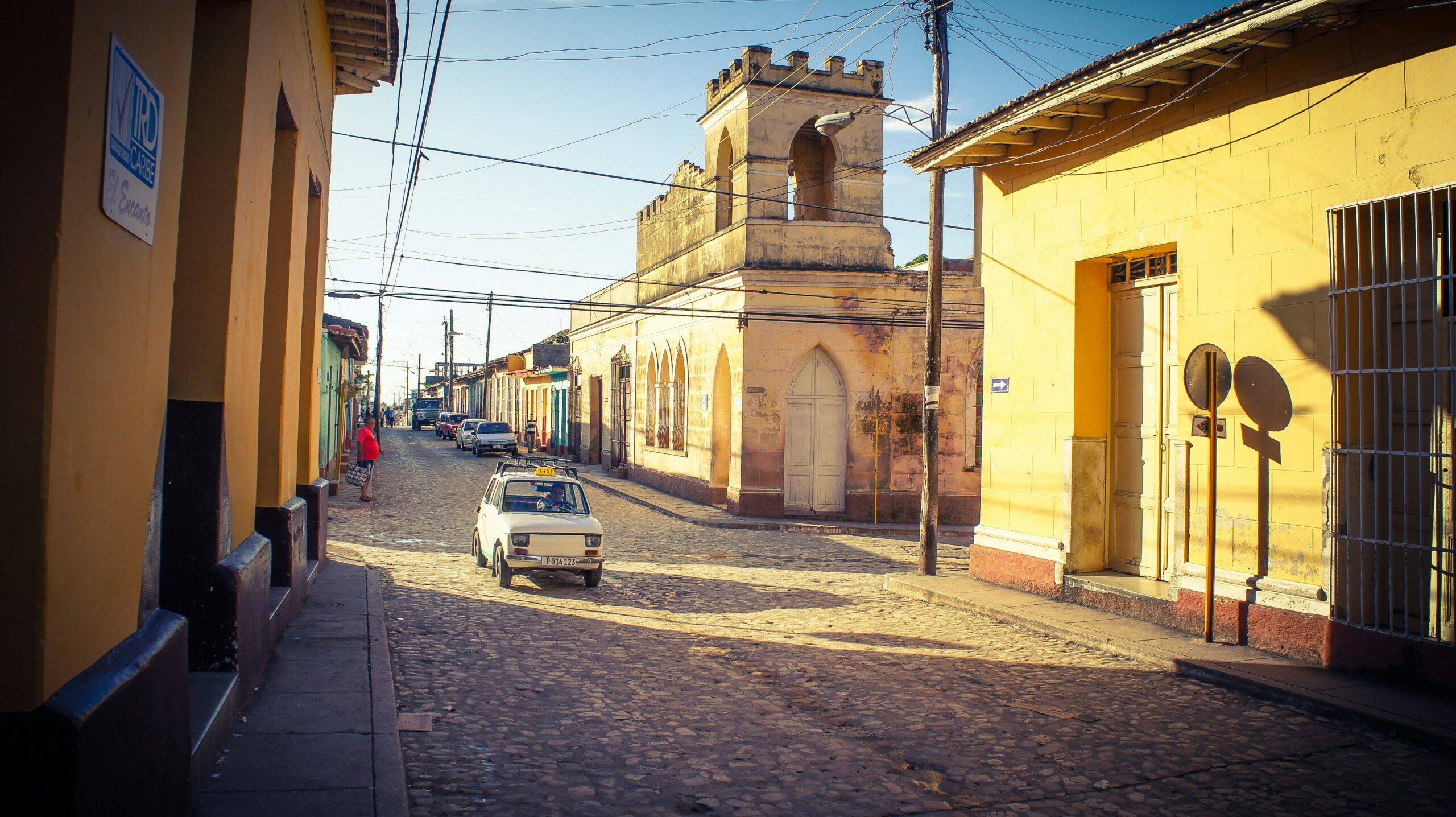
Introduction
The Spanish word costumbrista is a useful adjective and noun that appears often in discussions about art, literature, and culture. For English-speaking Spanish learners, understanding costumbrista helps you talk about traditions, everyday life, and how people are portrayed in stories or paintings. The word connects language learning with cultural knowledge: when you recognize a costumbrista text or image, you see how local habits and social customs appear in Spanish-speaking places. This article explains the meaning, shows clear examples, compares related words, and gives pronunciation tips so you can use costumbrista confidently in conversations and writing.
Meaning and Definition
The adjective costumbrista comes from the Spanish noun costumbre, which means habit or custom. At its core, costumbrista describes something that focuses on everyday customs, manners, and social behaviors of a particular place or group. It is often used in cultural and artistic contexts to describe works that depict ordinary life: paintings, stories, plays, or descriptions that show local traditions and daily routines.
Basic definition: relating to or showing the customs, habits, and typical scenes of ordinary people.
Common nuance: A costumbrista piece usually emphasizes realistic, recognizable details. It can be affectionate, critical, or neutral, but it always centers on common life rather than on grand events or abstract ideas.
Etymology: costumbre (custom) + -ista (a suffix that forms adjectives and nouns indicating a tendency, style, or follower). The suffix -ista is similar to English endings like -ist or -style, so costumbrista literally suggests a focus on customs.
Usage and Example Sentences
Spanish: La novela es costumbrista porque describe la vida cotidiana en un pueblo pequeño.
English: The novel is costumbrista because it describes everyday life in a small town.
Spanish: El pintor costumbrista representó mercados, familias y calles con mucho detalle.
English: The costumbrista painter depicted markets, families, and streets with a lot of detail.
Spanish: En la clase hablamos de cuentos costumbristas que muestran tradiciones locales.
English: In class we talked about costumbrista short stories that show local traditions.
Spanish: El documental tiene un enfoque costumbrista; se interesa por las costumbres de la región.
English: The documentary has a costumbrista approach; it is interested in the customs of the region.
Spanish: Su estilo es claramente costumbrista, prefiriendo escenas simples a escenas heroicas.
English: Her style is clearly costumbrista, preferring simple scenes to heroic ones.
Spanish: Leímos un artículo costumbrista sobre las fiestas de barrio y la música popular.
English: We read a costumbrista article about neighborhood festivals and popular music.
Spanish: Muchos fotógrafos costumbristas capturan la vida diaria sin intervenir en ella.
English: Many costumbrista photographers capture daily life without intervening in it.
Spanish: En el teatro hay obras costumbristas que mezclan humor y crítica social.
English: In the theater there are costumbrista plays that mix humor and social critique.
Synonyms, Antonyms, and Word Usage Differences
Synonyms: tradicional, folclórico, popular, pintoresco (in some contexts). Each synonym has a slightly different shade of meaning. Tradicional emphasizes long-standing customs; folclórico relates more to folklore, music, and dances; popular focuses on what is common among the people; pintoresco highlights charming or picturesque aspects.
Antonyms: moderno, vanguardista, abstracto. These words describe styles that look forward, break tradition, or avoid detailed representation of daily life.
How to choose the correct word:
– Use costumbrista when you want to emphasize realistic depiction of ordinary customs and everyday scenes.
– Choose folclórico when referring specifically to folklore traditions, festivals, and oral culture.
– Pick tradicional when you mean long-established practices or rituals, often with a sense of continuity over time.
– Use moderno or vanguardista when describing something that rejects traditional depiction or experiments with form and content.
Examples of usage differences:
– A painting showing a village dance could be both folclórico and costumbrista; folclórico highlights the dance as tradition, while costumbrista highlights the everyday context and the people involved.
– A novel that experiments with narrative structure would be moderno rather than costumbrista, even if it mentions customs.
Pronunciation and Accent
Pronunciation: co-su-mbris-ta. Stress falls on the third-to-last syllable: cos-tum-BRIS-ta. Because it is a four-syllable word ending in a vowel, the natural stress is on the penultimate syllable in Spanish. IPA: /kostumˈβɾista/ or depending on accent /kostumˈbɾista/.
Notes about sounds:
– The letter c before o is pronounced like an English k: ko.
– The group br is pronounced like a soft b followed by r; in many Spanish accents the b and v sounds are similar and softer than in English.
– The s is a clear s sound, not a z sound.
– The -ista ending is pronounced like -eesta with a short i sound, not like the English -ist with a dark i.
Common pronunciation mistakes:
– Placing the stress on the wrong syllable, for example cos-TUM-brista, changes natural rhythm and may sound incorrect.
– Pronouncing the initial c as th (a Castilian trait before e or i only) is not an issue here because c is before o.
– Over-emphasizing the r sound so it becomes an English r rather than a tapped or trilled Spanish r. Practice with native audio or teachers to get the r right.
Native Speaker Nuance and Usage Context
In native usage, costumbrista can describe a whole artistic movement or simply a particular work that focuses on customs. In literature, costumbrismo was a popular genre in 19th-century Spanish and Latin American writing. Writers and journalists produced short sketches and stories that documented local life, often with humor or gentle criticism.
Everyday contexts where you might hear costumbrista:
– Art and literature classes: teachers use it to categorize works that describe local life.
– Critiques and reviews: a critic might call a film or book costumbrista to point out its focus on customs rather than plot twists.
– Casual conversation: someone might say La serie es muy costumbrista to explain that a TV series shows ordinary daily life of a region.
Formality: Costumbrista is neutral and can be used in both formal essays and informal speech. In academic contexts, it often appears in art history, cultural studies, and literary criticism. In casual talk, speakers might use it more loosely to describe scenes that feel familiar or typical.
Subtle connotations:
– Positive: It can suggest charm, authenticity, and cultural richness. People may appreciate costumbrista works for preserving traditions and showing real life.
– Critical: It can sometimes imply a lack of depth or that the work is nostalgic or stereotypical if the depiction is simplified or overly sentimental.
Context matters: when a friend says a movie is costumbrista with admiration, they usually mean it feels real. When a critic says it is costumbrista dismissively, they might mean it relies on clichés.
Conclusion
Understanding costumbrista gives English-speaking learners a handy label for describing works and scenes that focus on customs and everyday life. The word ties language learning to culture: when you spot costumbrista elements, you notice the small details—markets, festivals, family routines—that define a place. Pronunciation is regular, with stress on the -bris- syllable and the IPA /kostumˈβɾista/. Use costumbrista when you want to emphasize realistic, custom-focused depiction in art, literature, photography, or conversation. Learning the differences between related words like folclórico, tradicional, and moderno will help you choose the right term in context. Practice using the example sentences and listen to native speakers to make the word natural in your speech.