Introduction
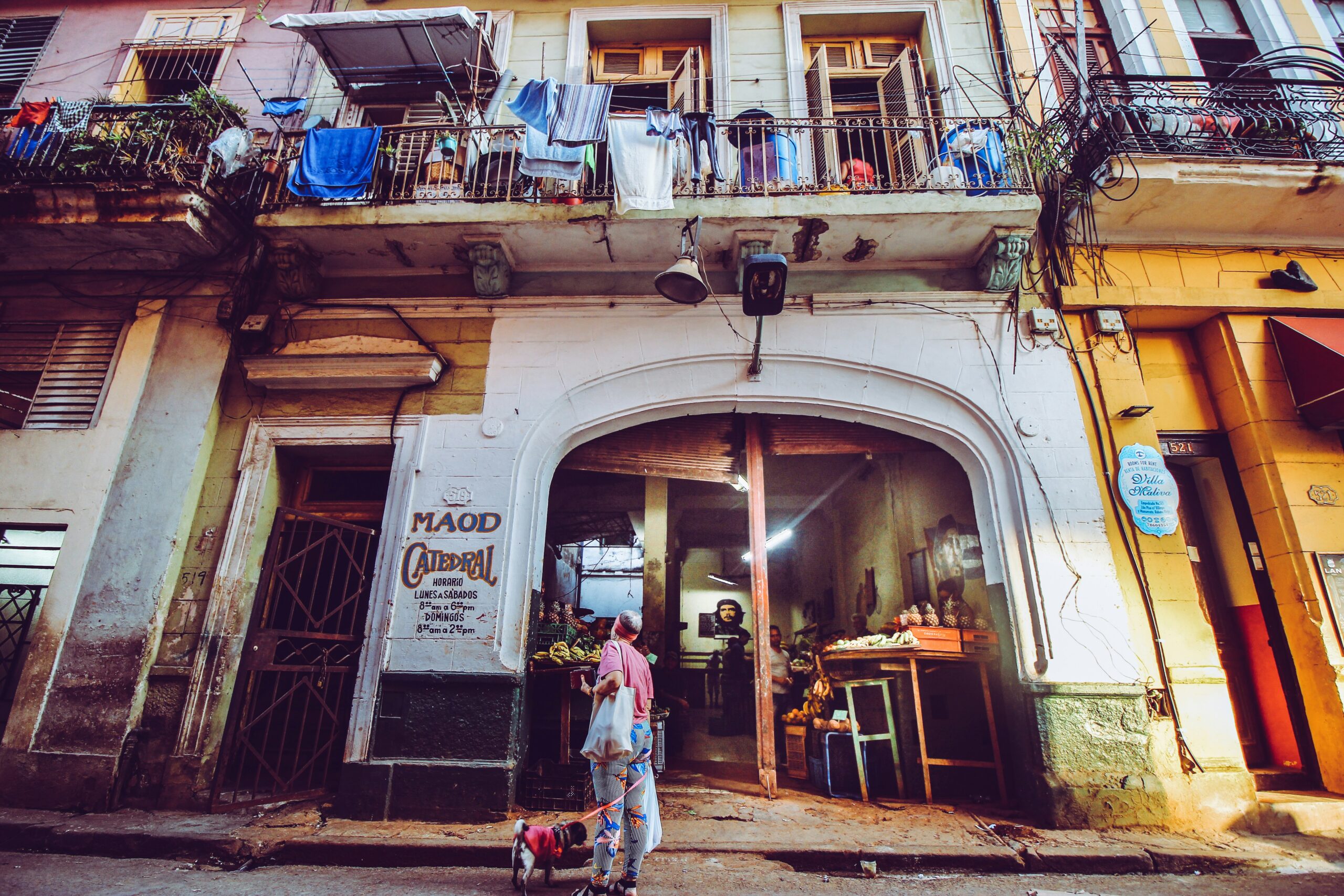
Learning how to say small, everyday observations helps you sound natural in Spanish. One common phrase English speakers use is this street looks familiar. This article explains how to express that idea in Spanish, when to use different options, and offers natural variations, examples, and pronunciation tips to help you feel confident on the street or in conversation.
- Basic translation: a direct and natural option
- Alternative phrases and when to use them
- Casual and regional variations
- Examples in short dialogues
- Pronunciation tips
- Grammar and agreement details
- Practical usage situations
- Common follow-up phrases
- Politeness and tone
- Common mistakes to avoid
- Practice phrases to remember
- More natural examples in context
- Resources to improve recognition
- Conclusion
Basic translation: a direct and natural option
The simplest, most natural translation for this street looks familiar is Esta calle me resulta familiar. This phrase works in many Spanish-speaking countries and sounds native without being overly formal.
Breakdown of the phrase:
Esta = this (feminine, matching calle)
calle = street
me = to me (indicates personal impression)
resulta = seems, turns out to be
familiar = familiar
In conversation you can also shorten it to Me resulta familiar if the context already makes it clear you’re talking about the street.
Why resulta is a good choice
The verb resultar is very common for describing impressions and reactions. It conveys that something gives you a certain feeling or seems a certain way. Using resulta sounds slightly more natural than a literal word-for-word translation like looks familiar, and it’s frequently used by native speakers.
Alternative phrases and when to use them
Spanish offers several ways to say this street looks familiar. Each carries subtle differences in tone or formality.
1. Using parecer
Esta calle me parece familiar is another very natural option. Parecer literally means to seem, and it’s widely used.
Use me parece familiar when you want a straightforward, neutral expression. It is slightly more colloquial than me resulta familiar but equally acceptable.
2. Using sonar
Esta calle me suena is a shorter, informal option. Suena means to ring or sound, and in this context it implies that the street rings a bell for you.
Complete forms include Esta calle me suena familiar or simply Esta calle me suena. The shorter version is very common in spoken Spanish: Me suena often stands alone to mean that something looks or feels familiar.
3. Using conocer
If you suspect you have been to the street before, you can say Creo que conozco esta calle, meaning I think I know this street. This changes the meaning slightly from feeling familiar to having actual memory or knowledge of it.
Use conozco when you want to imply prior experience rather than a vague impression.
Casual and regional variations
Different Spanish-speaking regions have their own idiomatic expressions. These are useful if you plan to travel or want to understand local speech.
Spain
In Spain, you might hear Esta calle me suena or Me suena esta calle. Spaniards commonly use me suena in everyday conversation.
Latin America
Across Latin America, both Esta calle me parece familiar and Esta calle me resulta familiar are widely understood. In some countries you might also hear Me suena, especially in relaxed contexts.
Examples in short dialogues
Seeing how phrases fit into conversation helps you use them naturally. The examples below include stage directions in English for clarity but keep the Spanish phrases concise.
Conversation 1 — two friends walking in a city
A: Perdón, ¿sabes dónde estamos?
B: Creo que sí. Esta calle me suena. Creo que hemos pasado por aquí antes.
Conversation 2 — asking for confirmation
A: No estoy seguro de si hemos tomado esta calle antes.
B: A mí me parece familiar. Tal vez la vimos al llegar.
Conversation 3 — suggesting you know the area
A: ¿Te acuerdas de la cafetería que nos gustó?
B: Sí. Conozco esta calle. Está a dos cuadras hacia allá.
Pronunciation tips
Here are simple tips to pronounce the key phrases correctly.
Esta calle me resulta familiar
Pronunciation guide: es-ta KA-ye me re-SOOL-ta fa-mee-LYAR
Esta calle me parece familiar
Pronunciation guide: es-ta KA-ye me pa-RE-se fa-mee-LYAR
Esta calle me suena
Pronunciation guide: es-ta KA-ye me SWE-na
Creo que conozco esta calle
Pronunciation guide: CRE-o ke ko-NO-sko es-ta KA-ye
Notes on stress and syllables
Spanish is mostly phonetic: pronounce every vowel. Pay attention to which syllable is stressed — it changes the natural rhythm. Native speakers use connected speech, so practice saying whole phrases smoothly, not word by word.
Grammar and agreement details
Understand why certain words change depending on context to avoid mistakes.
Noun-adjective agreement: Calle is feminine, so use esta not esto or este. Adjectives like familiar do not change for gender, but determiners do.
Pronoun usage: The pronoun me expresses that the familiarity is a personal impression. You can replace it with le or nos if the impression belongs to another person or a group: Esta calle le resulta familiar (it looks familiar to him/her) or Esta calle nos resulta familiar (it looks familiar to us).
Verb forms: If you want to describe a previous impression in the past, change the verb tense. For example: Esta calle me resultó familiar means this street looked familiar when I saw it (past). Or Me parecía familiar to describe an ongoing past impression.
Practical usage situations
Here are typical contexts where you will use these phrases so you can pick the best option.
While navigating an unfamiliar city: use Esta calle me suena or Me parece familiar when you want to indicate recognition without certainty.
When retracing your steps after getting lost: use Creo que conozco esta calle to suggest you have been there before and might know where to go next.
Describing a memory triggered by a place: use Esta calle me trae recuerdos if you want to say the street brings back memories. This is a different nuance, leaning more toward emotional recall than simple recognition.
Common follow-up phrases
After saying the street looks familiar, you might want to add more information. Here are natural follow-ups.
Creo que pasamos por aquí ayer — I think we passed by here yesterday.
¿No te acuerdas del café que hay aquí? — Don’t you remember the café here?
Tal vez vine con mi familia — Maybe I came with my family.
Politeness and tone
All the phrases above are neutral and polite in most contexts. If you want to sound more formal, use the conditional or more polite structures.
Formal or cautious phrasing:
Me parecería familiar — This would sound familiar to me (polite, less direct).
Podría ser que conozca esta calle — It could be that I know this street (very cautious).
Common mistakes to avoid
Beginners often translate literally from English, which can sound awkward.
Avoid literal translations like Esta calle luce familiar. While understandable, luce is not commonly used in this idiom and can sound odd. Prefer me resulta familiar or me parece familiar.
Also avoid mismatching gender: saying Este calle would be incorrect because calle is feminine.
Practice phrases to remember
Memorize a few key versions for different situations:
Esta calle me resulta familiar — neutral, natural
Esta calle me parece familiar — simple and common
Esta calle me suena — informal, spoken
Creo que conozco esta calle — implies prior knowledge
More natural examples in context
Here are a few longer, natural sentences you might hear or use:
Al girar la esquina, la vi y me resultó familiar — Upon turning the corner, I saw it and it looked familiar to me.
Cuando entré en el barrio, la calle me sonó como si la hubiera visto antes — When I entered the neighborhood, the street rang a bell as if I had seen it before.
No estoy seguro, pero me parece familiar este barrio — I’m not sure, but this neighborhood seems familiar to me.
Resources to improve recognition
To feel more confident using these phrases, expose yourself to native speech. Listen to Spanish podcasts, watch travel videos, and pay attention to how locals describe places. Practicing with native speakers or language partners can also help you hear subtle differences between me suena, me parece, and conozco.
Conclusion
Expressing that a street looks familiar in Spanish is easy once you know a few go-to phrases. Use Esta calle me resulta familiar or Esta calle me parece familiar for neutral situations, Esta calle me suena in informal speech, and Creo que conozco esta calle when you believe you have been there before. Pay attention to context, tone, and verb tense to fine-tune your meaning. With these options and the provided examples, you can speak naturally and confidently the next time a place rings a bell.