Introduction
Learning useful Spanish phrases for familiar places helps you navigate everyday life with confidence. This article gives practical expressions, polite forms, and natural dialogues for places like the home, supermarket, café, school, office, park, and public transport. Study the examples, usage notes, and short dialogues to sound more fluent in common situations.
- Why focus on familiar places?
- At home: common phrases and chores
- Supermarket and shopping phrases
- Cafés and restaurants: ordering and small talk
- School and classroom phrases
- Office and workplace phrases
- Parks and outdoor spaces
- Public transport: trains, buses, and taxis
- Politeness and useful connectors
- Usage notes and pronunciation tips
- Strategies to learn and remember phrases
- Conclusion
Why focus on familiar places?
Familiar places appear every day in language use. Knowing specific phrases for these settings makes communication faster and more natural. You will understand signs, ask questions, and respond politely. Context-specific vocabulary reduces confusion and builds conversational confidence.
At home: common phrases and chores
Start with the home because many interactions are routine. Learn how to ask for help, give instructions, and invite someone in a friendly way.
Useful phrases
Hola ¿cómo estás?
Hola ¿cómo estás? is a standard greeting for family and friends when arriving home.
Pasa, pasa means come in or make yourself comfortable when inviting someone into your house.
Pasa, the polite imperative from pasar, is common at the door.
¿Puedes ayudarme? ¿Puedes ayudarme? is a practical request when you need assistance with chores or small tasks.
Use ¿Puedes ayudarme? for casual help and ¿Podrías ayudarme? for more polite or hypothetical requests.
Voy a cocinar Voy a cocinar means I am going to cook. Useful to announce plans or ask about dinner.
Voy a cocinar can be followed by a question: ¿Quieres comer ahora o más tarde?
Short dialogue at home
Fernando llega a casa.
María: Hola, ¿cómo estás?
Fernando: Bien. Pasa. ¿Qué haces?
María: Voy a cocinar. ¿Quieres ayudarme?
Supermarket and shopping phrases
Shops and supermarkets have predictable interactions: asking where items are, prices, and quantities. These phrases save time.
Essential supermarket vocabulary
¿Dónde está ¿Dónde está… is used to ask where something is located, followed by the item: ¿Dónde está el pan?
Use ¿Dónde está for singular and ¿Dónde están for plural items.
¿Cuánto cuesta? ¿Cuánto cuesta? asks How much does it cost? For multiple items use ¿Cuánto cuestan?
¿Cuánto cuesta? is fundamental at the checkout or when comparing prices.
Quisiera Quisiera is a polite way to say I would like. For example: Quisiera medio kilo de tomates.
After Quisiera you can add quantity and specifications like bien maduros or sin pepitas.
Sample exchange at the supermarket
Cliente: Quisiera un kilo de manzanas, por favor.
Empleado: ¿Roja o verde?
Cliente: Rojas, por favor. ¿Cuánto cuesta?
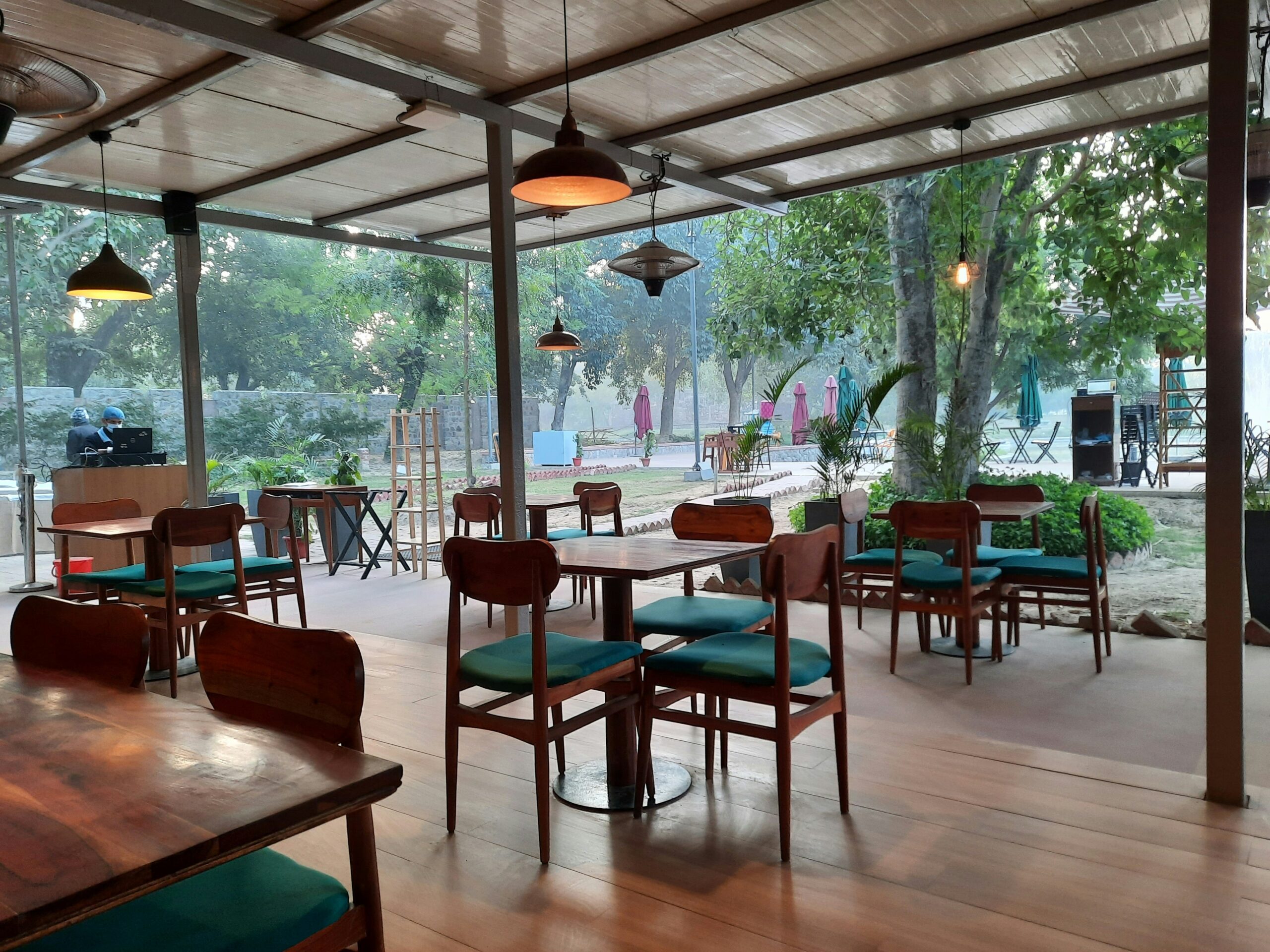
Cafés and restaurants: ordering and small talk
Cafés are ideal for practicing polite phrases, ordering food, and making small talk with staff or friends. Focus on menus, requests, and expressing preferences.
Polite ordering phrases
Una mesa para Una mesa para dos, por favor means a table for two, please. Use this when arriving at a restaurant.
Una mesa para followed by the number is the standard request.
La carta, por favor La carta, por favor asks for the menu. Some places use el menú for a fixed-price menu.
La carta, por favor is polite and direct.
¿Qué recomienda? ¿Qué recomienda? asks What do you recommend? Use it to get local suggestions or specials.
¿Qué recomienda? is useful for exploring regional dishes.
Ordering example
Camarero: Buenas tardes. Una mesa para ¿cuántos?
Cliente: Una mesa para dos.
Camarero: Sígame. ¿Desean algo de beber?
Cliente: Sí, la carta, por favor.
School and classroom phrases
For learners and parents, simple classroom phrases help with attendance, asking questions, and participating in activities.
Teacher-student phrases
¿Puedo ir al baño? ¿Puedo ir al baño? is a polite request to leave the classroom.
Use ¿Puedo ir al baño? for permission; add por favor to be extra polite.
No entiendo No entiendo means I do not understand. Teachers often use it to identify confusion.
No entiendo can be followed by an explanation request: ¿Puedes repetir, por favor?
¿Cómo se dice…? ¿Cómo se dice…? asks How do you say… and is ideal for building vocabulary.
After ¿Cómo se dice, insert a word in English or point to an object you want to name in Spanish.
Short classroom interaction
Alumno: No entiendo la tarea.
Profesor: ¿Qué parte? ¿Cómo se dice house en español?
Alumno: Casa. Gracias.
Office and workplace phrases
At work, communicate clearly and politely. Learn phrases for meetings, scheduling, and everyday requests.
Common office expressions
Tenemos una reunión Tenemos una reunión a las tres means we have a meeting at three. Use it to inform colleagues.
Tenemos una reunión is a neutral, professional phrase.
¿Puedes enviar esto? ¿Puedes enviar esto por correo? asks Can you send this by email? It’s practical for delegating tasks.
Use ¿Puedes enviar esto? with friendly coworkers and add por favor for politeness.
Necesito ayuda Necesito ayuda con este informe communicates I need help with this report. Useful when struggling with a task.
Necesito ayuda is direct but acceptable in collaborative environments.
Typical office dialogue
Jefa: Tenemos una reunión a las tres.
Empleado: Bien. ¿Puedes enviar esto a todos antes de la reunión?
Jefa: Sí, lo enviaré ahora.
Parks and outdoor spaces
Parks are casual settings where you might ask directions, arrange to meet friends, or describe activities. Phrases here emphasize schedules and simple descriptions.
Key phrases for the park
¿Dónde nos vemos? ¿Dónde nos vemos? asks Where do we meet? Use it to agree on a meeting point in a park.
¿Dónde nos vemos? can be followed by a landmark like junto al lago or junto al parque infantil.
¿A qué hora? ¿A qué hora? asks At what time? Combine with a place: ¿A qué hora en la entrada principal?
Use ¿A qué hora? for planning and punctuality.
Vamos a caminar Vamos a caminar means Let’s go for a walk. Good for inviting someone to exercise or explore the area.
Vamos a caminar is friendly and informal.
Park meetup example
Ana: ¿Dónde nos vemos?
Luis: Junto al puente. ¿A qué hora?
Ana: A las cinco. Vamos a caminar después.
Public transport: trains, buses, and taxis
Public transport requires concise phrases for buying tickets, asking schedules, and giving destinations. Focus on the destination, ticket type, and polite questions.
Transport essentials
¿A qué hora sale ¿A qué hora sale el próximo autobús? asks What time does the next bus leave?
Use ¿A qué hora sale to check departure times for buses, trains, and ferries.
Una ida y vuelta Una ida y vuelta means a round-trip ticket. For one-way use solo ida.
Una ida y vuelta is important when buying tickets to avoid confusion.
Lléveme a Lléveme a followed by an address or landmark means Take me to. Use it in taxis: Lléveme a la estación, por favor.
Lléveme a is the polite imperative for a taxi driver; you can also say ¿Cuánto cuesta hasta…? to ask the fare.
Quick taxi dialogue
Pasajero: Lléveme a la Plaza Mayor, por favor.
Conductor: Claro. ¿Quiere llevar equipaje?
Pasajero: Sí, una maleta pequeña.
Politeness and useful connectors
Politeness goes a long way in all settings. Learn a few connectors and polite words to smooth interactions.
Polite words to remember
Por favor and gracias are essential. Use por favor to request and gracias to show appreciation.
Short phrases like disculpe or perdón help to get attention: disculpe when addressing a stranger, perdón when apologizing.
Un momento or espere can be used when you need time: Un momento, ya vuelvo.
They are polite ways to ask someone to wait briefly.
Usage notes and pronunciation tips
Spanish pronunciation is generally phonetic. Emphasize vowels a, e, i, o, u. The letter c before e or i sounds like th in Spain or like s in many Latin American countries. The letter g before e or i has a soft throat sound. Use stress on the correct syllable: palabras with accent marks indicate where to stress the syllable.
When learning phrases, practice intonation: questions usually end with rising tone. Polite imperatives like pasa or cuenta are softer than commands. For clarity, slow down and enunciate when speaking to native listeners.
Strategies to learn and remember phrases
Associate phrases with locations and routines. For example, link La carta, por favor to the image of opening a menu. Repeat short dialogues out loud, then add variations by swapping items or numbers. Record yourself and compare to native speakers for improvement.
Use flashcards for key verbs and connectors and practice listening with short videos or podcasts that show real interactions in cafés, shops, and buses. Immersion—labeling objects in your home and practicing with friends—builds automatic recall.
Conclusion
Mastering useful Spanish phrases for familiar places makes daily life smoother and more enjoyable. Focus on greetings, polite requests, location questions, and simple dialogues for home, shops, cafés, schools, offices, parks, and transport. Practice regularly, listen to native speakers, and use the phrases in real settings to build confidence and fluency.