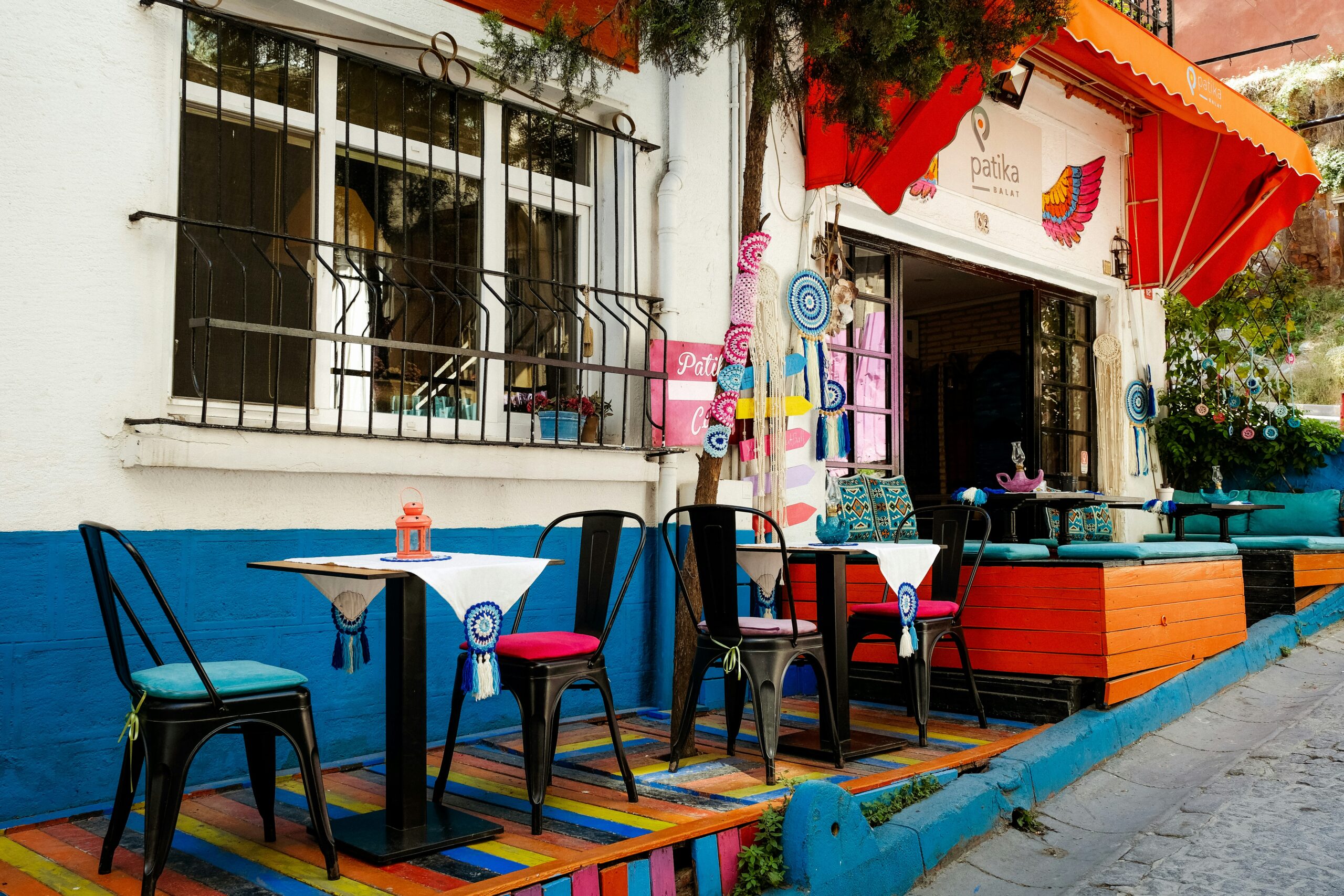
Introduction
Learn how to use the Spanish word enfrente with clear beginner-friendly explanations and many everyday examples. This guide shows where enfrente fits in simple directions, short conversations, signage, and common beginner mistakes so you can feel confident using it in real situations.
- What does enfrente mean?
- Basic vocabulary to use with enfrente
- Common simple phrases with enfrente
- Short conversations using enfrente
- Signs, labels, and directions where enfrente appears
- Practical examples for everyday situations
- Common beginner mistakes with enfrente
- Practice exercises for beginners
- Extra helpful phrases with similar meaning
- Common useful sentences for beginners to memorize
- Conclusion
What does enfrente mean?
Enfrente is a Spanish adverb that means facing, in front, or opposite. It describes location: something is located across from or directly in front of another thing. Think of it as the English in front or across from, used in many everyday situations like giving directions, describing where objects are, or reading signs.
Key grammar tip
Enfrente is usually used without a preposition when it stands alone: La tienda está enfrente. It can appear with de to specify what it is in front of: enfrente de la escuela. For beginners, remember both forms: standalone and with de.
Basic vocabulary to use with enfrente
Casa — house
Tienda — shop
Escuela — school
Parque — park
Banco — bank
Restaurante — restaurant
Hospital — hospital
Oficina — office
Parada — stop (bus, taxi)
Plaza — plaza, square
Common simple phrases with enfrente
These beginner phrases show common ways to use enfrente in short sentences.
La tienda está enfrente.
Mi casa está enfrente del parque.
El banco está enfrente de la plaza.
La parada de bus está enfrente del supermercado.
El restaurante queda enfrente de la estación.
Explanation of the examples
In La tienda está enfrente, enfrente is used alone to say the shop is in front. In Mi casa está enfrente del parque, enfrente combines with de to name the reference point: in front of the park. Note that you can use quedar or estar depending on context; both are common for locations.
Short conversations using enfrente
Practical micro-dialogues you might hear or use when asking for or giving directions.
Persona A: ¿Dónde está la farmacia?
Persona B: La farmacia está enfrente del banco.
Persona A: ¿El parque está cerca?
Persona B: Sí, está enfrente de la escuela.
Tip for learners
When you hear enfrente in a question or answer, listen for what follows: often a place name with de. That tells you the reference point. Practicing these short dialogues helps with listening and speaking in real places like streets, markets, or transit stops.
Signs, labels, and directions where enfrente appears
Many simple signs or directional notes use enfrente. Here are realistic examples you might encounter while traveling or living in a Spanish-speaking area.
Entrada enfrente
used on temporary signs meaning the entrance is in front
Parqueo enfrente
used in parking areas to indicate parking in front
Cajero enfrente del banco
note or sign pointing to an ATM across from a bank
Venta enfrente de la estación
small vendor signs near transit
Restaurante enfrente — comida rápida
menu board or poster indicating a restaurant located in front
Beginner reading tip
When you see enfrente on a sign, it often indicates the relative location of the business. Combine this with other words like entrada or parqueo to know what service is available in front of the building.
Practical examples for everyday situations
Situations and sentences a beginner can use in shops, hotels, and public transport.
At a hotel: La recepción está enfrente del ascensor.
Asking on the street: ¿La farmacia está enfrente de la estación?
Shopping: ¿Dónde está el probador? Está enfrente de la caja.
At the clinic: La sala de espera está enfrente de la caja de recepción.
Bus stop: La parada está enfrente del supermercado a las 9:00.
How to change for gender and number
Enfrente does not change for gender or number because it is an adverb. The nouns or articles around it do change: enfrente del banco (masculine singular), enfrente de la tienda (feminine singular), enfrente de los edificios (plural).
Common beginner mistakes with enfrente
Knowing typical errors helps you avoid them when speaking or writing.
Mistake: using enfrente without context — *La está enfrente. Correct: Está enfrente or Está enfrente de la casa.
Mistake: confusing enfrente with delante — both mean in front but are used slightly differently. Use enfrente to emphasize opposite or facing positions. Example: El cine está enfrente de la plaza sounds natural for facing positions.
Mistake: adding unnecessary prepositions — *en frente a is less common. Prefer enfrente de for clarity.
Quick correction strategy
Remember the pattern: verb + enfrente or enfrente de + place. If you want to name what it is in front of, use de. If you only want a simple position, use it alone.
Practice exercises for beginners
Short tasks to help you internalize usage. Say each aloud or write answers in a notebook.
1. Look around a room and describe three items using enfrente. Example: La ventana está enfrente de la mesa.
2. Walk a short route and note two places that are opposite each other. Write sentences with enfrente de.
3. Read a short map or use a transit app and describe a stop using enfrente. Example: La parada A está enfrente de la farmacia.
4. Role play with a friend: ask for directions and answer using enfrente.
Listening practice
Listen for enfrente in short audio lessons or videos that cover directions. Pause and write the phrase that contains enfrente to build recognition.
Extra helpful phrases with similar meaning
Learn related location words to expand beginner vocabulary.
Delante — in front of (useful synonym)
Frente a — facing, opposite
A la derecha — to the right
A la izquierda — to the left
Al lado — next to, beside
When to choose enfrente vs. other words
Use enfrente to indicate one place is directly opposite or facing another. Use al lado for next to, a la derecha or a la izquierda for direction, and delante as a general in front. Listening to native usage will help you feel which sounds most natural.
Common useful sentences for beginners to memorize
Memorize a short set of ready-to-use sentences for travel or daily life.
La entrada está enfrente de la plaza.
El banco queda enfrente del supermercado.
Mi apartamento está enfrente del parque.
La oficina está enfrente de la estación de tren.
El cajero automático está enfrente del restaurante.
Conclusion
Mastering enfrente gives beginners a practical tool for directions and descriptions. Practice the patterns verb + enfrente and enfrente de + place, use the short dialogues and signs above, and correct common mistakes by focusing on context. With these examples and exercises you will soon recognize and use enfrente naturally in everyday Spanish situations.