Introduction
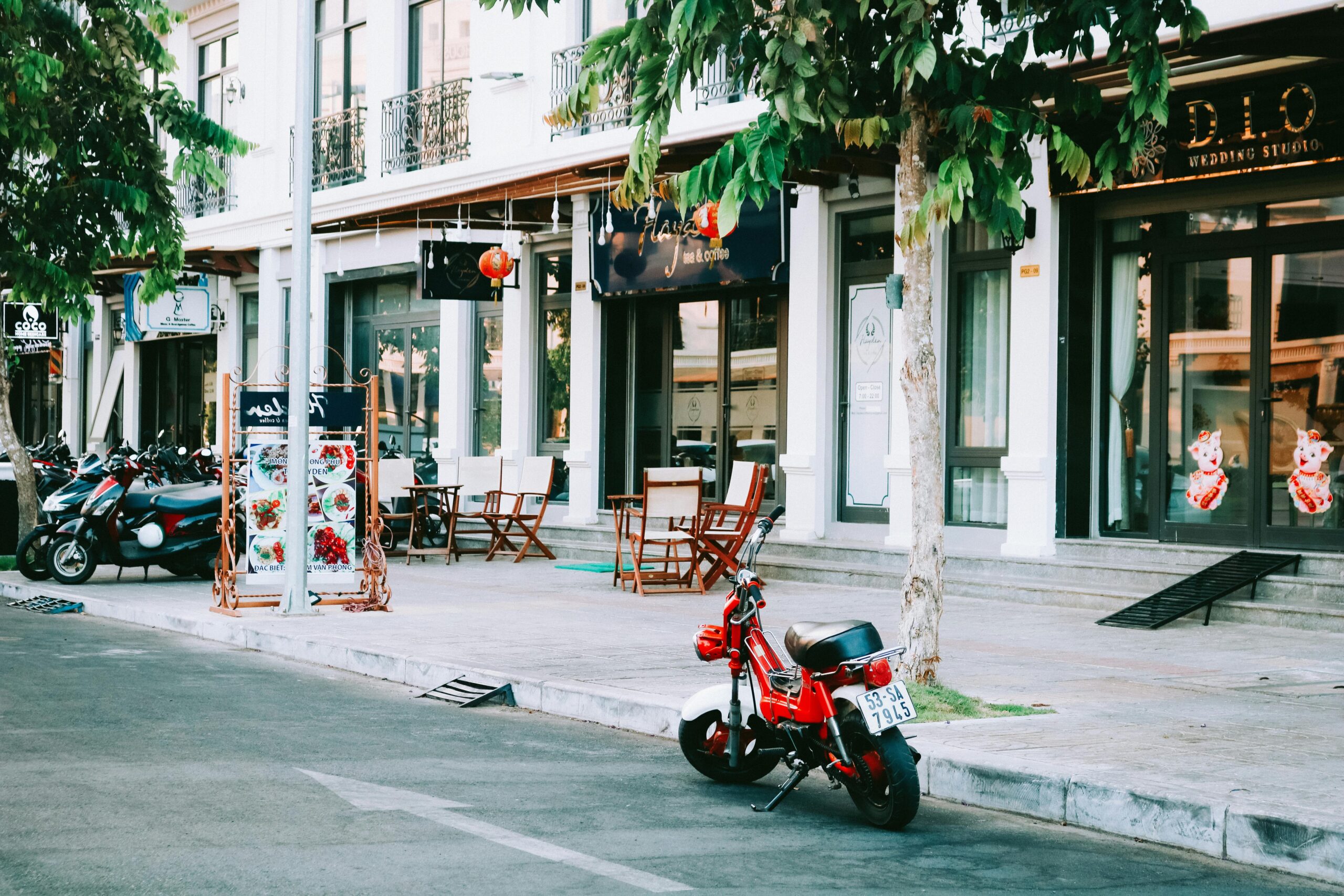
Learning new vocabulary helps you understand real Spanish in stores, on the street, and online. One useful but less common word is letrería. This word is related to signs, lettering, and the visual way words appear in public places. Knowing letrería helps you talk about shops, advertising, and design—topics that come up in travel, culture, and everyday life. In this article, you will learn what letrería means, how to pronounce it, when native speakers use it, and how to choose similar words. Simple examples and clear explanations will make the word easy to remember for English-speaking learners.
Meaning and Definition
letrería refers to the art or practice of making signs and lettering, especially those used on shopfronts, advertisements, banners, and other public displays. It can mean the physical signs themselves or the craft of creating attractive, legible letters and words for visual communication.
Basic definition: the craft, design, or collection of signs and letters used in public spaces.
Common nuance: letrería emphasizes design and legibility. It often implies an intentional, visual choice about how words are presented rather than just the content of the message.
Etymology: The word comes from letra, meaning letter, plus the suffix -ería, which often denotes a craft, trade, or place (similar to bakery in English from bake + -ery). So letrería literally points to the trade or craft of letters and signs.
Usage and Example Sentences
Spanish: En el centro histórico hay mucha letrería pintada a mano en las fachadas.
English: In the historic center there is a lot of hand-painted signage on the facades.
Spanish: La letrería del mercado fue modernizada con tipografías claras y colores vivos.
English: The market signage was modernized with clear typefaces and bright colors.
Spanish: El diseñador especializado en letrería creó un rótulo que combina tradición y legibilidad.
English: The designer specialized in lettering created a sign that combines tradition and legibility.
Spanish: Antes de abrir la tienda, encargaron la letrería para el escaparate y la puerta.
English: Before opening the shop, they ordered the signage for the display window and the door.
Spanish: La letrería de los carteles informativos ayuda a que los turistas encuentren su camino.
English: The signage of the information boards helps tourists find their way.
Spanish: En la feria hay un taller de letrería donde enseñan técnicas de pintura y pincel.
English: At the fair there is a lettering workshop where they teach painting and brush techniques.
Spanish: Me gusta la letrería retro de ese café; se ve hecha a mano y muy cuidada.
English: I like the retro signage of that café; it looks handmade and very well cared for.
Synonyms, Antonyms, and Word Usage Differences
Related words: letra, rótulo, cartel, señalética, rotulación.
rótulo and cartel often refer to specific signs or posters. Use rótulo for a shop sign or nameplate, and cartel for a printed poster or announcement.
señalética focuses on wayfinding and informational signs, like those in airports or hospitals. If you mean directional or informative signage, señalética is usually the best choice.
rotulación refers to the process of creating and applying lettering or signs, especially when using vinyl, paint, or other materials. If you want to emphasize the action or service of producing signs, use rotulación.
letra simply means a single letter or handwriting, not the craft of signs.
How to choose: use letrería when speaking about the overall craft, style, or collection of signs; choose rótulo when naming a specific sign; choose señalética for functional, wayfinding signage; and use rotulación when discussing the production process.
Opposites: There is no direct antonym, but words like ausencia de rótulos or sin señalización describe the lack of signage.
Pronunciation and Accent
Pronunciation guidance: letrería is pronounced leh-treh-REE-ah in approximate English syllables.
IPA notation: /letɾeˈɾi.a/
Stress and accent: The primary stress falls on the syllable -rí- (/ˈɾi/). There is no written accent mark because the stress follows regular Spanish rules for words ending in a vowel: the stress is on the penultimate syllable only when the final letter is a vowel, n, or s. In this case, the stress is on the third-to-last syllable because the word is made of four syllables, but the pronunciation pattern yields the stressed -rí- syllable.
Common mistakes: English speakers sometimes misplace the stress or pronounce the r as in English. Remember to use a tapped r for the single r between vowels (like the r in pero) and a trilled r for double r, though letrería uses single r sounds. Avoid anglicizing the vowels; Spanish vowels are short and pure: e as in bed, i as in machine, a as in father.
Native Speaker Nuance and Usage Context
In everyday speech, native Spanish speakers may use letrería more in professional, artistic, or descriptive contexts than in casual chatter. For example, a designer, shop owner, or cultural journalist is likely to use the term when discussing the visual identity of a shop or the historic signage in a neighborhood.
Informally, people might say rótulo, cartel, or simplemente letrero instead of letrería when pointing at a single sign. Letrería often implies a broader craft or tradition, so you hear it in articles about typography, urban aesthetics, or traditional sign painting.
Geographic variation: The preference for words like letrería, rotulación, rótulo, or letrero can vary by country and region. For example, letrero is very common in many Latin American countries for a sign or notice, while rotulación is common in professional contexts across Spain and Latin America. Use context clues to pick the right word.
Formal vs informal: In formal writing about design and heritage, letrería fits well. In casual conversation, choose letrero or rótulo when pointing out a single shop sign.
Cultural note: Many cities celebrate traditional hand-painted signs as part of local identity. When locals talk about preserving historic signs, they may use letrería to emphasize the craft and cultural value of those letters and designs.
Conclusion
To summarize, letrería is a useful Spanish word that describes the craft, design, and presence of signs and lettering in public spaces. It connects language, visual art, and everyday navigation. You learned the basic meaning, how it differs from similar words like rótulo, cartel, señalética, and rotulación, and when to use each term. Pronounce the word as /letɾeˈɾi.a/, paying attention to the tapped r and vowel sounds. Native speakers use letrería in professional or cultural contexts, while simpler words like letrero or rótulo appear in casual conversation. Practicing example sentences and noticing how signs are described in Spanish media will help you remember and use letrería naturally.