Introduction
tahona is a Spanish word that many English-speaking learners will find interesting because it connects language with food, history, and regional traditions. At first glance it might look unfamiliar, but the concept behind the word is simple: it refers to a traditional place where bread and similar baked goods are made. Learning tahona helps students expand vocabulary tied to everyday life and culture, and it also introduces terms that show how Spanish preserves older words for family businesses and local crafts. This article explains the meaning, use, pronunciation, and examples of tahona in clear English so that even middle school students can understand and use the word confidently. We will cover synonyms, differences with related words like panadería, and show real sentences to practice.
Meaning and Definition
tahona means a traditional bakery or mill where bread and other baked goods are produced, often using old-fashioned methods. In simple terms, it is a place where dough is prepared and baked, and historically it could refer to both the physical building and the community activity around bread-making. The word often implies craft, tradition, and sometimes a stone mill or large oven.
Basic definition: a bakery or mill, usually traditional, for making bread and baked goods.
Common nuance: while modern panaderías are common in cities and use industrial equipment, a tahona suggests a more traditional, artisanal approach. It can carry a nostalgic or rural connotation.
Etymology: tahona likely comes from older Spanish and possibly from a term related to grinding or pressing; some sources relate it to the Arabic or Mozarabic influences in Iberian vocabulary, reflecting the long history of bread-making in Spain. The word survived in regions where traditional practices remained important.
Usage and Example Sentences
Spanish: La tahona del pueblo abre todas las mañanas para vender pan recién hecho.
English: The village tahona opens every morning to sell freshly made bread.
Spanish: En la tahona utilizan un horno de piedra que tiene más de cien años.
English: In the tahona they use a stone oven that is more than a hundred years old.
Spanish: Mi abuela trabajó en una tahona y siempre olía a masa y mantequilla.
English: My grandmother worked in a tahona and it always smelled of dough and butter.
Spanish: Visitamos una antigua tahona donde todavía amasan a mano.
English: We visited an old tahona where they still knead by hand.
Spanish: La tahona organiza talleres para enseñar a los jóvenes a hacer pan.
English: The tahona organizes workshops to teach young people how to make bread.
Spanish: Compré un bollo en la tahona que tenía levadura natural.
English: I bought a roll at the tahona that had natural yeast.
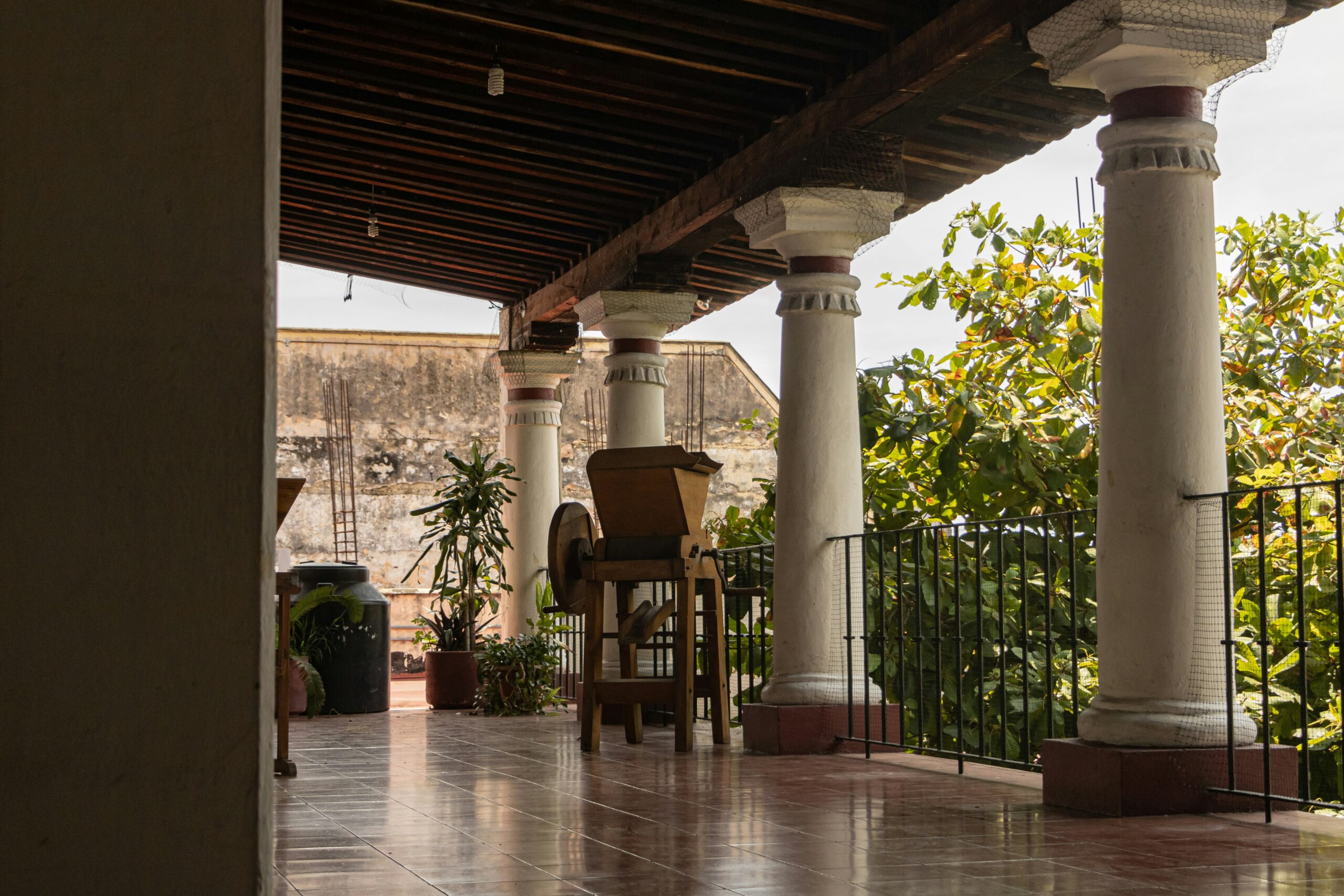
Spanish: En la feria había una réplica de una tahona tradicional con un molino.
English: At the fair there was a replica of a traditional tahona with a mill.
Spanish: Algunos restaurantes colaboran con tahonas locales para ofrecer pan auténtico.
English: Some restaurants collaborate with local tahonas to offer authentic bread.
Spanish: La tahona de la plaza ofrece panes especiales los fines de semana.
English: The tahona in the square offers special breads on weekends.
Synonyms, Antonyms, and Word Usage Differences
Synonyms: panadería, horno, confitería (in some contexts). The most common everyday substitute for tahona is panadería, which simply means bakery. However, panadería is more neutral and widely used for modern bakeries, while tahona suggests tradition and craft.
Antonyms: Supermarket bakery, fábrica (factory). These terms imply industrial, large-scale production rather than the artisanal sense of tahona.
Differences in usage:
– panadería: generic bakery, used in cities and towns for any place that sells bread and baked goods.
– tahona: traditional bakery, often rural or historic; evokes handmade processes, stone ovens, and older equipment.
– horno: literally oven, but used colloquially to refer to a bakery in some regions.
– confitería: focuses on sweet pastries and candies rather than basic bread.
How to choose:
– Use panadería for everyday conversation when you simply need to say bakery.
– Use tahona when you want to emphasize tradition, an artisanal method, or a historical site.
– Use horno when speaking about the oven itself or when local dialect uses that word for a bakery.
Pronunciation and Accent
Pronunciation guide: tahona is pronounced approximately as /taˈona/ in IPA.
Phonetic hint for English speakers: say tah-OH-na. The stress is on the second syllable: ta-HO-na. Each vowel is pronounced clearly: a as in father, o as in more, a again as in father.
IPA notation: /taˈona/
Stress and accent marks: tahona does not carry a written accent mark because it follows the regular stress rules for words ending in a vowel: the stress falls on the penultimate syllable. Learners should remember to stress the O: tah-O-na.
Common pronunciation mistakes:
– Placing stress on the first syllable (TA-ho-na) instead of the second.
– Reducing the middle vowel so it becomes a schwa-like sound; Spanish vowels are pure and should be pronounced fully.
– Dropping the initial t or blending letters; make sure to pronounce the t and the h sound together as a single syllable ta- (h is silent in Spanish, so treat it as part of the spelling not a pronounced letter).
Native Speaker Nuance and Usage Context
Native speakers use tahona most often when talking about traditional or historical bread-making. You might hear it in rural areas, in tourist descriptions of an old town, in cultural articles, or when someone wants to highlight artisanal quality. It can also appear in names of businesses that want to emphasize tradition, for example Tahona San José or La Tahona de María.
Formality: The word is neutral and can be used in both formal writing and casual speech, but because it carries a nostalgic or craft connotation, it is more common in descriptive, cultural, or marketing contexts than in everyday small talk. A baker might call their shop a tahona to signal craftsmanship, while customers might say panadería in casual conversation.
Regional differences: Not all Spanish-speaking regions use tahona frequently. It is more common in Spain and in Latin American areas that value traditional naming. In some countries, local words or simply panadería are preferred. When traveling, listen to locals and note whether they use panadería, horno, or tahona to refer to bakeries.
Idiomatic use: tahona is rarely used in idioms, but it can appear in cultural descriptions, recipes, and local histories. Because the word evokes craftsmanship, it can be used metaphorically to suggest something made with care or according to tradition.
Conclusion
In summary, tahona is a useful and evocative Spanish word that refers to a traditional bakery or mill where bread is made, often by artisanal methods. Learning this word goes beyond vocabulary: it opens a window into cultural practices, culinary history, and regional differences in Spanish. Pronounced /taˈona/ with stress on the middle syllable, the word is easy to say once you remember to keep the vowels clear. Use panadería for a general bakery, and reserve tahona when you want to emphasize tradition, heritage, or artisanal quality. Practicing the example sentences and listening for the word in travel guides, local markets, and cultural texts will help embed the term in your active vocabulary. Knowing tahona adds depth to your language skills and helps you describe real-life places where food and tradition meet.