Introduction
If you are learning Spanish, encountering local names and words that look unfamiliar is part of the journey. One such word is vallejo. Although it may look like a common noun, vallejo is often used as a proper name in Spanish-speaking countries and appears in literature, geography, and family names. Understanding vallejo helps learners recognize it in conversation, reading, and travel situations. This article explains what vallejo means, how it is used, how to pronounce it, and how native speakers treat it. Clear examples and comparisons will make the word easy to remember and use, even for young learners or beginners.
Meaning and Definition
The basic meaning of vallejo depends on context. As a proper noun, it is most commonly a surname. It can also be a place name, like a town or neighborhood. In some literary contexts, vallejo may appear as a poetic or archaic form related to valley, because the Spanish word for valley is valle. However, vallejo itself is not a common everyday noun in modern standard Spanish; its primary role is as a last name or geographic name.
Etymology: The surname vallejo likely derives from the Spanish word valle plus a diminutive or patronymic ending, indicating origin from a valley or from a family associated with a valley. Surnames like this often began as descriptors of where a family lived. Over time, the form became fixed as a family name and as place names in towns or regions.
Usage and Example Sentences
Here are clear example sentences showing how speakers use vallejo in natural Spanish contexts. Each sentence includes an English translation.
Spanish: El autor César Vallejo es muy conocido en la literatura latinoamericana.
English: The author César Vallejo is well known in Latin American literature.
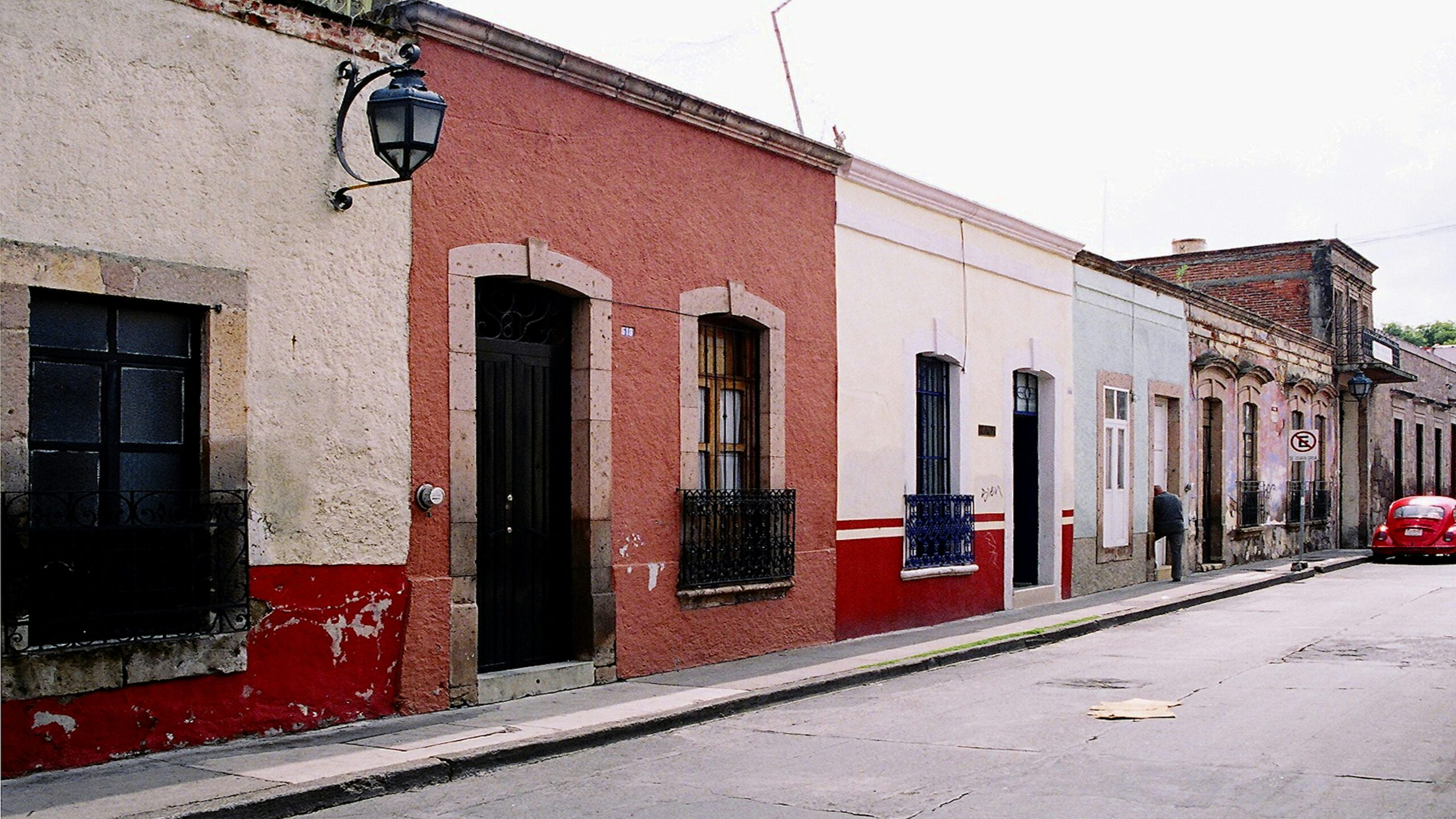
Spanish: Fuimos al barrio de Vallejo para ver las casas antiguas.
English: We went to the Vallejo neighborhood to see the old houses.
Spanish: Mi amiga tiene el apellido Vallejo y viene de una familia de la costa.
English: My friend has the last name Vallejo and comes from a coastal family.
Spanish: En la plaza del pueblo hay una placa dedicada a Vallejo, un poeta local.
English: In the town square there is a plaque dedicated to Vallejo, a local poet.
Spanish: ¿Conoces el restaurante Vallejo en la calle principal?
English: Do you know the Vallejo restaurant on the main street?
Spanish: La biblioteca municipal tiene una sección con obras de Vallejo y otros escritores.
English: The municipal library has a section with works by Vallejo and other writers.
Spanish: El mapa muestra la carretera que pasa por Vallejo y sigue hacia el valle.
English: The map shows the road that passes through Vallejo and continues toward the valley.
Spanish: Ayer leí un poema de Vallejo en clase de español.
English: Yesterday I read a poem by Vallejo in Spanish class.
Synonyms, Antonyms, and Word Usage Differences
As a proper name, vallejo does not have direct synonyms or antonyms in the way common nouns do. However, you can compare it with related Spanish words to understand differences:
valle: This is the common noun meaning valley. Use valle when you mean a physical valley in geography. Example: valle profundo means deep valley.
Valdés, Valle, Vallejo: These are surnames that sound similar. Valle and Valdés are other last names derived from valley or similar roots. Learn the specific family name to avoid confusion in conversation or writing.
Toponymic names versus common nouns: Vallejo is typically toponymic (a place or family name), while valle is a descriptive noun. Choose valle when describing landscape and Vallejo when referring to a person, place, or family.
Pronunciation and Accent
Pronouncing vallejo correctly helps you be understood. In Spanish, vallejo is pronounced with three syllables: va-lle-jo. The approximate English pronunciation is bah-YEH-ho. In IPA notation it is /baˈʎexo/ in dialects that use the palatal lateral sound for ll, or /baˈjeho/ in many Latin American dialects that pronounce ll and y the same.
Stress: The stress falls on the second syllable: va-LLE-jo. There is no written accent mark because the word follows normal Spanish stress rules for words ending in a vowel, n, or s.
Common pronunciation mistakes:
1. Pronouncing the double l as two separate l sounds instead of the palatal or y sound. Say either y as in yes or the palatal sound depending on dialect.
2. Over-emphasizing the final o: keep a natural stress on the middle syllable instead.
3. Confusing valle and Vallejo: valle has two syllables and a different vowel stress, while Vallejo has three syllables and the stress on the middle one.
Native Speaker Nuance and Usage Context
Native speakers usually use vallejo as a name rather than a common word. When they mention Vallejo, they might mean a famous person (for example, the poet César Vallejo), a neighborhood, a street, or a local business. In conversation, names are often used without articles in Spanish when referring to people, for example, Conocí a Vallejo. For places, articles may appear depending on local usage: vivo en Vallejo or en el Vallejo, depending on whether the place name is treated like a proper noun or a common noun.
Formality: Using the name Vallejo is neutral and appropriate in both formal and informal contexts. When speaking about a respected figure such as a poet, listeners may add titles like señor or poeta: el poeta Vallejo. In informal speech among friends, people might refer to a place called Vallejo with casual expressions: Vamos a Vallejo esta tarde.
Regional notes: Pronunciation and small usage differences depend on the Spanish-speaking region. In Spain some speakers keep a clearer distinction between ll and y sounds, while in many Latin American countries both sounds merge. This does not change the meaning, only the sound. When traveling, listen for local place-name usage to match how natives refer to it.
Conclusion
To summarize, vallejo is most often a surname or place name derived from the word valle, meaning valley. It is not a common everyday noun but appears frequently in literature, geography, and family names. Pronunciation is straightforward: va-LLE-jo with stress on the second syllable and IPA /baˈʎexo/ or /baˈjeho/ depending on dialect. Native speakers use the name in both formal and informal contexts without special changes in meaning, though regional pronunciation and article use can vary. Learning this word helps Spanish learners recognize proper names and cultural references, making reading and conversation smoother. Remember to listen for local pronunciation and practice saying the syllables evenly to sound natural.