Introduction
Learning everyday vocabulary helps English speakers feel comfortable in Spanish conversations. The word mantel is a simple, useful noun that appears often at home, in restaurants, and at social gatherings. Understanding this word lets learners describe places where people eat, set tables correctly, and talk about decorations or table care. Because it refers to a concrete object, mantel is easy to practice with real-life activities like setting a table or describing a dinner. In this article you will learn the meaning of mantel, see useful examples, discover synonyms and opposites, and get pronunciation help so you can use the word naturally in spoken and written Spanish.
Meaning and Definition
The basic meaning of mantel in Spanish is tablecloth, a piece of fabric or other material placed over a table to protect it and improve its appearance. It usually covers the tabletop and often hangs over the edges. The word is a masculine noun: el mantel. Common nuance: a mantel can be purely practical (to protect the table from spills) or decorative (part of a table setting for special occasions). Etymology: mantel comes from late Latin mantellum, a diminutive of mantum, meaning cloak or covering. This origin helps explain why the word refers to something that covers a table.
Usage and Example Sentences
Spanish: Puse el mantel blanco antes de colocar los platos.
English: I put the white tablecloth down before placing the plates.
Spanish: Compramos un mantel impermeable para el picnic en el parque.
English: We bought a waterproof tablecloth for the picnic in the park.
Spanish: El mantel bordado que heredó mi abuela es muy delicado.
English: The embroidered tablecloth my grandmother inherited is very delicate.
Spanish: ¿Puedes cambiar el mantel? Ha quedado manchado de vino.
English: Can you change the tablecloth? It got stained with wine.
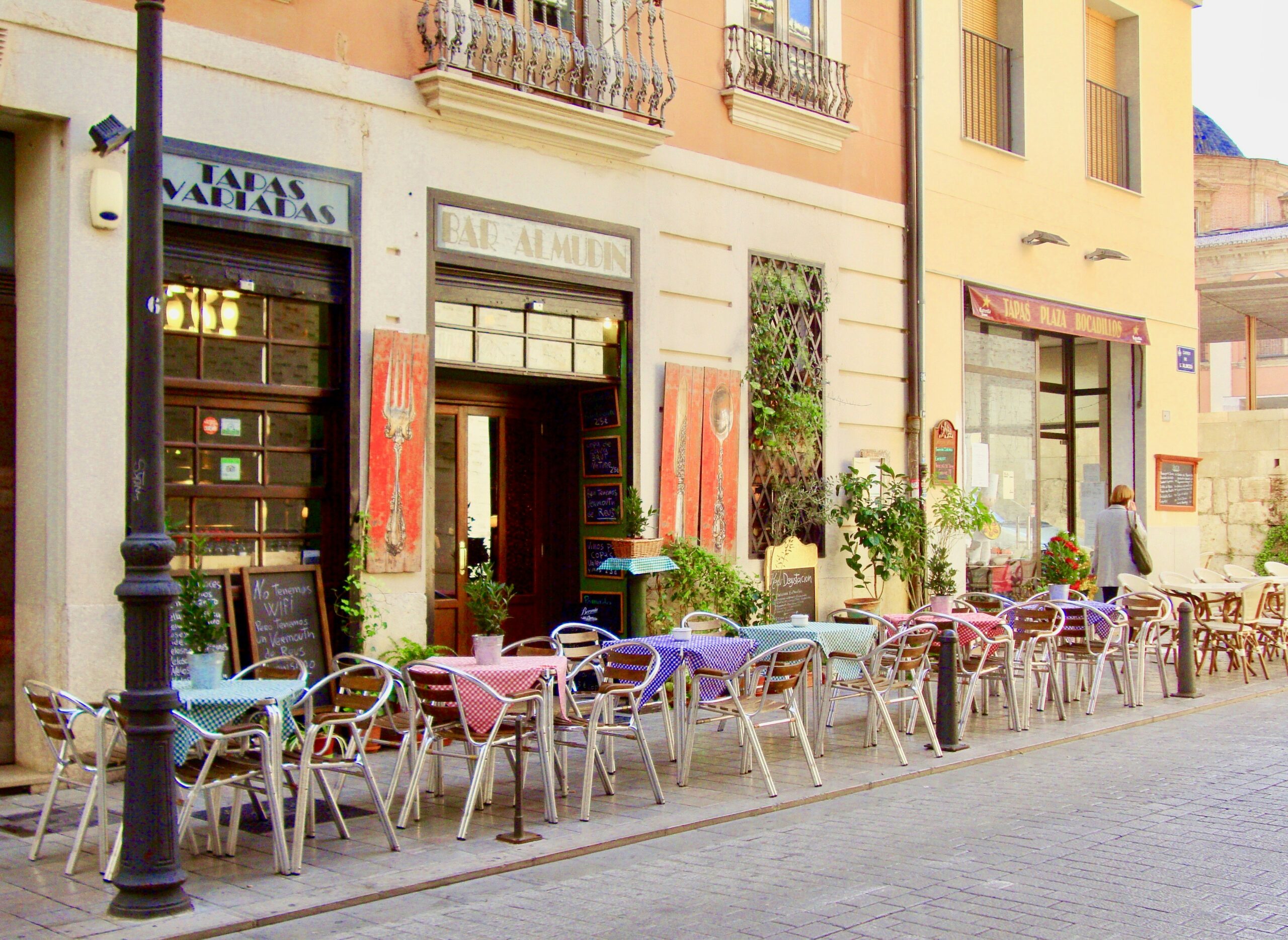
Spanish: En el restaurante, cada mesa tenía un mantel a rayas y un centro de flores.
English: At the restaurant, each table had a striped tablecloth and a flower centerpiece.
Spanish: Los niños pintaron un mantel de papel para la fiesta de cumpleaños.
English: The children painted a paper table cover for the birthday party.
Spanish: Guardamos el mantel de lino en una funda para protegerlo del polvo.
English: We store the linen tablecloth in a cover to protect it from dust.
Spanish: Cambiaron el mantel diario por uno más elegante para la cena.
English: They changed the everyday tablecloth for a more elegant one for dinner.
Synonyms, Antonyms, and Word Usage Differences
Related words: servilleta (napkin), cubremantel (table protector), camino de mesa (table runner), mantel individual (placemat). These words describe items used with a mantel or that serve similar functions. Synonyms: in some regions, people say cubierta de mesa, but this is less common. Antonyms: the opposite concept would be mesa descubierta or la mesa sin mantel (a table without a tablecloth).
Choosing the correct word: use mantel when you mean a full tablecloth that covers most of a table. Use mantel individual for a placemat that only covers one place setting. Use camino de mesa for a narrow decorative runner placed in the middle of the table. Use servilleta when you mean the small cloth or paper used to wipe your mouth and hands.
Pronunciation and Accent
Pronunciation guidance: mantel is pronounced [manˈtel] in IPA. Stress falls on the second syllable: tel. The first syllable sounds like man (like English man), and the second syllable sounds like tel (with a clear t and an open e as in ten). No accent mark is needed because the stress follows standard Spanish rules for words ending in consonants other than n or s, but because it ends in l the natural stress is on the last syllable and pronounced accordingly.
Common pronunciation mistakes: English speakers sometimes mistakenly stress the first syllable (MAHN-tel) or pronounce the e as a schwa. Practice saying manˈtel with a crisp e sound, not a neutral vowel. Also practice the tap t sound in Spanish, which may feel softer than the English t.
Native Speaker Nuance and Usage Context
In everyday speech, native speakers use mantel in both practical and decorative contexts. At home, people talk about washing, changing, or ironing the mantel before guests arrive. In restaurants or hotels, the presence of a mantel can suggest a more formal or elegant setting, while casual places might have bare tables or plastic covers. For celebrations like weddings or holidays, choosing the right mantel (color, fabric, design) is part of the planning.
Regional differences: In some Spanish-speaking areas, people prefer disposable paper or plastic table covers for outdoor events, and they may say mantel de papel or mantel desechable. In formal settings, materials like lino (linen) or encaje (lace) signal tradition and care. When talking to friends, native speakers might use diminutives like mantelito to sound affectionate about a small or pretty table cover.
Practical phrases with mantel: poner el mantel (to lay the tablecloth), quitar el mantel (to remove the tablecloth), lavar el mantel (to wash the tablecloth), mantel ensuciado (dirty tablecloth), mantel blanco/rojo/estampado (white/red/printed tablecloth). These short phrases are common and useful for everyday conversation.
Conclusion
Mastering words like mantel helps English-speaking learners describe simple, concrete objects and participate in daily routines. You now know that mantel means tablecloth and can be used for both protective and decorative purposes. You also saw practical example sentences, learned related vocabulary such as servilleta and camino de mesa, and received clear pronunciation help including the IPA [manˈtel]. Practice by setting a table and describing each item in Spanish, or by pointing out table coverings at restaurants and markets. Using mantel in real situations will make the word stick and improve your confidence when talking about home life and social events in Spanish.