Introduction
The Spanish word comedor is a useful noun that learners meet early when studying rooms in a house, places to eat, or food-related vocabulary. It is common in Spain and Latin America and appears in everyday conversation, school vocabulary lists, and written descriptions of homes, restaurants, and communal eating spaces. Knowing comedor helps English speakers describe where people eat, talk about dining routines, and understand signs or menus that mention dining areas. In addition, comedor appears in compound words and set phrases, so learning it gives learners a key to unlocking more complex expressions. This article explains meaning, usage, pronunciation, synonyms, and natural contexts, with clear examples to help middle school and beginner learners remember and practice the word.
Meaning and Definition
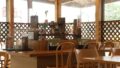
Comedor literally means dining room or a place where people eat. As a basic definition, it refers to a room in a house or building set aside for eating meals. It can also mean a dining hall, cafeteria, or other communal eating space when used in schools, workplaces, or institutions. The word comes from the verb comer, which means to eat, plus the noun-forming suffix -dor, which marks a place or an agent related to the verb. So comedor is the place for eating, built from comer + -dor. The word is masculine: el comedor. Plural: los comedores.
Usage and Example Sentences
Spanish: El comedor de mi casa tiene una mesa grande.
English: The dining room in my house has a large table.
Spanish: Los estudiantes almuerzan en el comedor de la escuela.
English: The students have lunch in the school cafeteria.
Spanish: Pintamos el comedor de color amarillo para que sea más cálido.
English: We painted the dining room yellow to make it cozier.
Spanish: ¿Puedes poner la mesa en el comedor, por favor?
English: Can you set the table in the dining room, please?
Spanish: Hay un comedor comunitario donde las personas mayores comen juntas.
English: There is a community dining hall where older people eat together.
Spanish: El hotel incluye desayuno en su comedor principal.
English: The hotel includes breakfast in its main dining room.
Spanish: Durante la fiesta, el comedor se llenó de amigos y familiares.
English: During the party, the dining room filled with friends and family.
Synonyms, Antonyms, and Word Usage Differences
Related words include cocina, comedor, and cafetería. Cocina means kitchen, the place where food is prepared, while comedor refers to the place where food is eaten. Cafetería is similar to comedor when talking about schools, workplaces, or public institutions, but cafetería often suggests a more casual, self-service setting. For example, la cafetería de la universidad usually implies trays and counters, while el comedor puede ser a la carta or more formal in some contexts.
Other synonyms in certain regions: salón comedor (an open-plan living and dining room), comedor escolar (school dining hall), comedor comunitario (community dining center). Antonyms are less direct, but words like cocina (if you contrast kitchen vs dining room) or sala (living room) can be useful to distinguish spaces.
Choose comedor when you mean the eating area. Use cocina when you mean the cooking area. Use cafetería when referring to a public or institutional food-service area, especially when trays and counters are involved.
Pronunciation and Accent
Pronounce comedor as /ko.meˈðor/ in IPA. Break it into syllables: co-me-dor. The stress falls on the final syllable dor, because Spanish words that end in a consonant other than n or s are stressed on the last syllable. The consonant d in the middle is an intervocalic voiced dental fricative in many dialects, sounding like the soft th in English this for speakers of Spain Spanish. In Latin American Spanish, it often sounds closer to a soft d, similar to the English d but lighter between vowels.
Common pronunciation mistakes: stressing the first syllable (CO-me-dor) instead of the last, or pronouncing the d too strongly as a hard d in all positions. Also watch the vowel quality: o should be a clear o sound, not a diphthong. Practice: ko-me-DOR, with a gentle d sound.
Native Speaker Nuance and Usage Context
Native speakers use comedor in several natural ways. At home, people refer to el comedor when scheduling meals or describing where they host guests. In school contexts, el comedor escolar refers to the place where students eat lunch; teachers or staff may organize shifts, menus, or rules for el comedor. In restaurants or hotels, comedor can name a dining room inside the establishment, especially if there are multiple rooms or a formal dining area, for example el comedor principal or el comedor privado.
In casual speech, people often say bajar al comedor (go down to the dining room) or cenamos en el comedor (we have dinner in the dining room). When talking about furniture, they might mention mesa del comedor (dining table) or sillas del comedor (dining chairs). In some countries, a room called salón comedor combines a living room and dining room into one open space; this is common in smaller apartments.
When addressing different registers, comedor is neutral and suitable for both formal and informal contexts. In a hospital, comedor might refer to the staff dining area; in community settings, comedor comunitario often denotes a social service or charity-run meal site. Always pay attention to context: saying voy al comedor in a house is normal, while in a workplace it implies going to the cafeteria or staff dining room.
Conclusion
Learning comedor gives you a simple but practical word that appears in many everyday scenarios: at home, at school, in hotels, and in community centers. It stems from the verb comer and literally means the place where people eat. You now know how to pronounce it—/ko.meˈðor/—and understand common pronunciation pitfalls like incorrect stress or a too-strong d sound. You also know when to use comedor versus cocina or cafetería, and how native speakers naturally refer to dining spaces. Practice by describing your own home or imagining sentences about school and work meals. With frequent use, comedor will become a comfortable part of your Spanish vocabulary and help you communicate clearly about where people eat and gather.