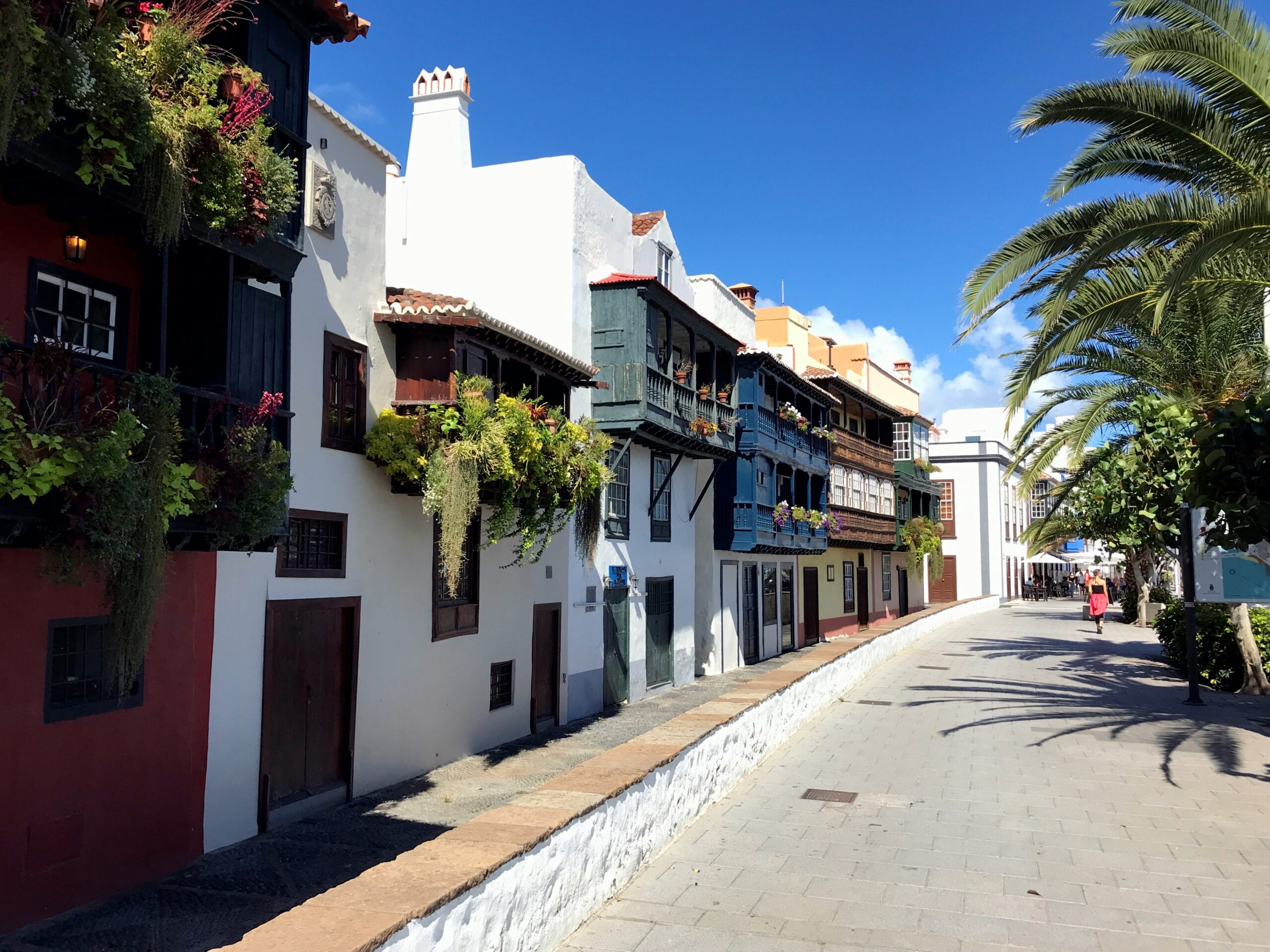
Introduction
Learning to write in Spanish is one of the most valuable skills you can develop as a language learner. Two of the most practical and commonly tested writing exercises are summaries and picture descriptions. These writing tasks appear frequently in language exams, classroom assignments, and real-world communication scenarios. Whether you are preparing for a standardized test or simply wanting to improve your Spanish writing ability, mastering summaries and picture descriptions will significantly enhance your proficiency. This comprehensive guide will walk you through the strategies, techniques, and practical tips you need to excel at both writing forms.
Understanding Spanish Writing Basics
Before diving into specific writing tasks, it is essential to understand the foundational elements that make Spanish writing effective. Spanish prose follows certain conventions regarding grammar, vocabulary, and structure that differ from English. The first step in becoming a confident Spanish writer is recognizing these differences and adapting your approach accordingly.
Grammar Fundamentals for Writing
Spanish grammar forms the backbone of all written expression. Unlike English, Spanish assigns gender to nouns, which affects articles, adjectives, and sometimes past participles. When writing, you must ensure that adjectives agree in both gender and number with the nouns they modify. For example, if you write about a beautiful house, it would be una casa hermosa, not una casa hermoso. Similarly, verb conjugation is crucial in Spanish writing, as the verb form must match the subject and tense appropriately.
Another critical aspect is understanding ser versus estar. Both verbs mean to be in English, but ser describes permanent qualities while estar describes location or temporary conditions. In your writing, using the correct form demonstrates grammatical competence and clarity of meaning.
Building Your Spanish Vocabulary
A strong vocabulary is essential for both summaries and picture descriptions. As you practice, focus on learning words in thematic groups rather than isolated terms. For instance, if you are learning vocabulary for describing people, you might study words like alto (tall), bajo (short), delgado (thin), and robusto (robust) together. This approach helps your brain create connections and retain information more effectively.
Mastering Spanish Summaries
A summary is a condensed version of a longer text that captures the main ideas and essential information while omitting unnecessary details. Writing effective summaries in Spanish requires careful reading comprehension, the ability to identify key points, and skill in expressing those points concisely.
Steps to Writing a Strong Summary
The first step in writing an excellent summary is reading the original text carefully. Do not rush through the material. Instead, read it at least twice, underlining or highlighting the main ideas and supporting points. On your second reading, pay special attention to topic sentences and concluding statements, as these often contain the most important information.
Next, create an outline of the main points. List each major idea in the order it appears in the original text. This outline becomes your roadmap for writing the summary and ensures you cover all essential information. When working with Spanish texts, this outline should be in Spanish to keep you immersed in the language.
Now comes the writing phase. Begin your summary by introducing the original text and author if applicable. Use phrases like El texto trata de (The text is about) or El autor explica que (The author explains that) to introduce your summary smoothly. Then present the main points in a logical order, using your own words rather than directly copying phrases from the original text.
Vocabulary for Summary Writing
Certain phrases and expressions make summaries flow more smoothly and sound more professional. Learning these transitional expressions helps you connect ideas clearly. Some useful phrases include:
En primer lugar (In the first place), seguido de (followed by), además (furthermore), por el contrario (on the other hand), finalmente (finally), and en conclusión (in conclusion). These transitional phrases guide your reader through your summary logically and make your writing more coherent.
When writing an summary, also pay attention to using appropriate reporting verbs such as afirma (affirms), sostiene (maintains), sugiere (suggests), and menciona (mentions). These verbs help you attribute ideas to the original author while maintaining a formal, academic tone.
Common Mistakes in Spanish Summaries
One frequent error is including too much detail or direct quotes from the original text. Remember that a summary should be significantly shorter than the original, usually one-third to one-half its length. Paraphrasing rather than quoting helps demonstrate your understanding of the material and prevents your summary from becoming too lengthy.
Another common mistake is losing objectivity. A summary should present information neutrally without adding your personal opinions or interpretations. Save those thoughts for a separate response or analysis section if the assignment allows.
Excelling at Picture Descriptions in Spanish
A picture description requires you to observe an image carefully and communicate what you see using clear, descriptive Spanish. This skill is invaluable for developing vocabulary, practicing descriptive language, and building confidence in spontaneous writing.
Organizing Your Picture Description
An effective picture description follows a logical structure. Start by providing an overview of the image. Answer the fundamental questions: What is the setting? What time of day is it? What season might it be? Use phrases like Se ve (One can see), En la imagen (In the image), or Hay (There is/are) to introduce your observations.
Next, describe the specific elements you observe. Move systematically through the image, perhaps from foreground to background, left to right, or by focusing on individual elements. This organized approach ensures you cover the entire picture and helps your reader visualize what you are describing.
Using Descriptive Language Effectively
Rich, accurate descriptive language transforms a basic picture description into an engaging piece of writing. Instead of simply saying something is grande (big), consider using más preciso terms like enorme (enormous), inmenso (immense), or vasto (vast), depending on context.
When describing people in a picture description, go beyond basic physical characteristics. Rather than just mentioning someone is joven (young), describe what they are wearing, their apparent mood, and what they might be doing. For example, you might write: Una joven sonriente viste un vestido azul y parece estar disfrutando de una caminata en el parque. (A smiling young woman wears a blue dress and appears to be enjoying a walk in the park.)
Vocabulary for Picture Descriptions
Building a robust vocabulary specifically for descriptions significantly improves your ability to express what you see. Focus on learning words for:
Colors and shades: rojo (red), azul (blue), verde (green), oscuro (dark), claro (light), brillante (bright), apagado (dull).
Textures and materials: suave (soft), áspero (rough), liso (smooth), rugoso (wrinkled), de madera (wooden), de metal (metal), de vidrio (glass).
Positions and locations: al lado de (next to), cerca de (near), lejos de (far from), sobre (on top of), debajo de (below), entre (between), alrededor de (around).
Avoiding Repetition in Picture Descriptions
A common weakness in picture descriptions is repeating the same verbs and adjectives. Instead of using hay (there is) repeatedly, vary your sentence structure with está (is located), se encuentra (is found), vemos (we see), or se ve (one can see). Similarly, replace overused adjectives with synonyms: bonito (pretty) can become hermoso (beautiful), precioso (precious), or encantador (charming) depending on the context.
Practical Exercises and Practice Strategies
Improvement in Spanish writing comes through consistent, purposeful practice. Here are evidence-based strategies that will accelerate your progress.
Daily Writing Exercises
Commit to writing summaries and picture descriptions regularly. Start with short, manageable assignments: summarize a single paragraph from a Spanish news article or describe a simple photograph. As your confidence grows, tackle longer texts and more complex images.
Keep a writing journal in Spanish where you describe scenes from your daily life or summarize articles that interest you. This low-pressure writing practice builds fluency and helps you internalize the structures and vocabulary you are learning.
Using Feedback for Improvement
Share your writing with a Spanish teacher, language partner, or online community. Constructive feedback is invaluable for identifying patterns in your errors and understanding what you need to practice more. When you receive corrections, do not simply accept them; take time to understand why the correction was necessary.
Studying Model Examples
Read and analyze well-written Spanish summaries and picture descriptions. Notice how professional writers organize information, choose vocabulary, and construct sentences. This passive learning complements your active writing practice and helps you internalize effective writing patterns.
Conclusion
Spanish writing practice through summaries and picture descriptions develops essential language skills applicable far beyond classroom assignments. By understanding the unique requirements of each writing type, building your vocabulary systematically, and practicing consistently with attention to feedback, you will steadily improve your ability to express yourself in written Spanish. Remember that all writers, even native speakers, improve through revision and practice. Embrace the writing process, learn from your mistakes, and celebrate your progress as you become an increasingly confident and articulate Spanish writer.