Introduction
Learning how to respond when someone asks for your location in Spanish is an essential skill for any language learner. Whether you are traveling through a Spanish-speaking country, communicating with native speakers online, or simply building your conversational abilities, knowing how to describe where you are adds depth and authenticity to your interactions. This comprehensive guide will walk you through the most common phrases, practical examples, and cultural considerations you need to confidently answer location-based questions in Spanish. By mastering these expressions, you will be better equipped to navigate social situations, provide directions, and engage in meaningful conversations with Spanish speakers around the world.
- Understanding the Basic Question
- Basic Location Responses
- More Detailed Location Descriptions
- Using Landmarks and Geographic References
- Responding at Different Venues
- Transportation and Transit Situations
- Cultural Considerations and Politeness
- Using Technology and Virtual Locations
- Combining Phrases for Richer Responses
- Conclusion
Understanding the Basic Question
Before you can effectively respond to questions about your location, it helps to recognize how Spanish speakers typically ask for this information. The most common question you will encounter is Dónde estás? which translates to Where are you? in English. This is the informal second-person singular form, used with friends, family, and peers. If someone is speaking to you in a more formal context, they might ask Dónde está usted?, which is the polite or formal version of the same question.
You might also hear variations like Dónde están? (where are you all?), used in plural contexts, or simply Dónde? (where?) when the context makes it clear that someone is asking about your whereabouts. Understanding these question formats is the first step toward crafting appropriate and natural-sounding responses.
Basic Location Responses
The simplest and most direct way to respond to a location question is to use the verb estar, which means to be in the context of location. The basic structure is Estoy en… (I am in…) followed by your location. This formula works in virtually any situation and is universally understood by Spanish speakers.
For example, if someone asks Dónde estás?, you could respond with Estoy en casa, which means I am at home. Similarly, Estoy en la oficina means I am at the office, and Estoy en la escuela means I am at school. These straightforward responses are perfect for beginners because they require minimal grammar knowledge and are immediately useful in daily conversations.
Other common locations you might want to describe include Estoy en el supermercado (I am at the supermarket), Estoy en el parque (I am at the park), Estoy en la biblioteca (I am at the library), and Estoy en el restaurante (I am at the restaurant). Each of these follows the same simple pattern and becomes natural with practice.
More Detailed Location Descriptions
While basic responses are useful, Spanish speakers often provide more detailed information about their location. To expand your responses, you can add descriptive details about specific places or neighborhoods. For instance, instead of simply saying Estoy en el centro (I am in the center), you could say Estoy en el centro histórico de la ciudad (I am in the historic center of the city).
You might also specify neighborhoods or districts. For example, Estoy en el barrio de La Latina (I am in the La Latina neighborhood) or Estoy en el distrito financiero (I am in the financial district). Adding these details makes your response more informative and shows a higher level of Spanish proficiency.
Street and address information can also be shared when appropriate. Estoy en la Calle Principal número 45 means I am at Main Street number 45. In more casual contexts, you might say Estoy en la calle (I am in the street) to indicate you are outside, or Estoy afuera (I am outside) for a similar meaning.
Using Landmarks and Geographic References
Another effective way to describe your location is by referencing nearby landmarks or geographic features. This approach is particularly useful when you are in an unfamiliar city or when the person asking might not be immediately familiar with the specific address. Estoy cerca de la catedral means I am near the cathedral, while Estoy al lado de la estación de tren means I am next to the train station.
You can also use directional language to provide context. Phrases like Estoy al norte de la ciudad (I am north of the city) or Estoy en las afueras (I am on the outskirts) help paint a clearer picture of your whereabouts. Estoy en la costa (I am on the coast) and Estoy en las montañas (I am in the mountains) are other useful examples that reference geographic features.
When you want to reference a landmark more specifically, you might say Estoy frente al museo (I am in front of the museum) or Estoy detrás del mercado (I am behind the market). These expressions add precision and context to your response.
Responding at Different Venues
Different types of locations require slightly different vocabulary and approaches. At entertainment venues, for example, you might say Estoy en el cine (I am at the cinema) or Estoy en el teatro (I am at the theater). For sports locations, Estoy en el estadio (I am at the stadium) or Estoy en la cancha (I am on the court or field) are appropriate responses.
In medical or service contexts, you could respond with Estoy en el consultorio del doctor (I am at the doctor’s office) or Estoy en la farmacia (I am at the pharmacy). For religious or cultural sites, Estoy en la iglesia (I am at the church) or Estoy en el templo (I am at the temple) work well.
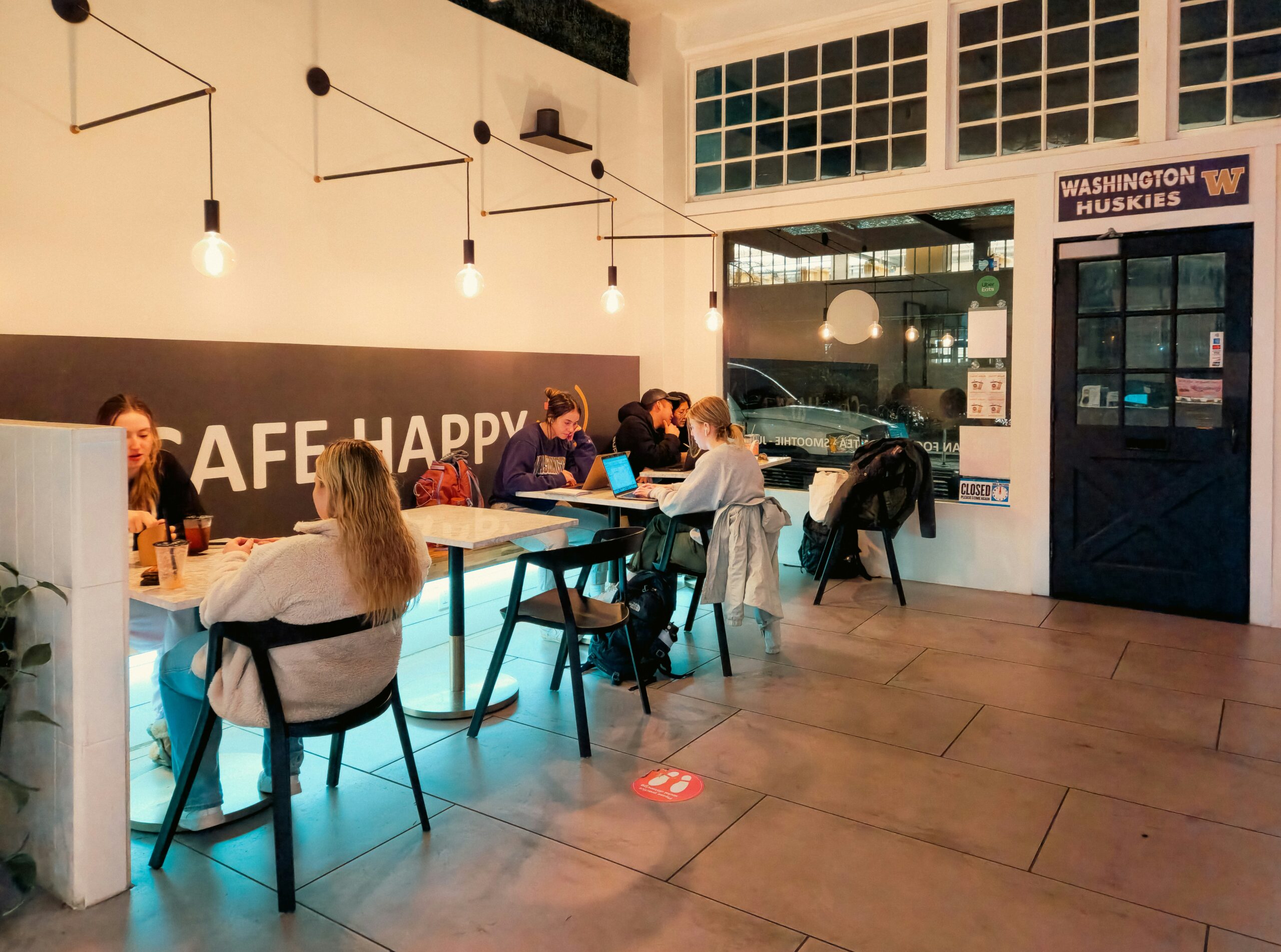
Food and hospitality locations have their own common expressions. Estoy en un café (I am at a cafe), Estoy en un bar (I am at a bar), and Estoy en un hotel (I am at a hotel) are phrases you will use frequently when traveling or socializing in Spanish-speaking regions.
Transportation and Transit Situations
When you are traveling or in transit, you might need to describe your location differently. Estoy en el autobús means I am on the bus, while Estoy en el tren means I am on the train. Estoy en el aeropuerto (I am at the airport) is essential vocabulary for travelers, as is Estoy en la estación (I am at the station).
If you are in a car, you could say Estoy en el coche or Estoy en el auto, depending on which Spanish-speaking region you are in. Estoy en la carretera (I am on the highway) is useful when you are traveling between cities. More specifically, you might say Estoy en la Carretera Panamericana (I am on the Pan-American Highway) if referencing a specific major route.
Cultural Considerations and Politeness
Understanding cultural context is important when responding to location questions in Spanish. In many Spanish-speaking cultures, it is common for friends and family to ask about each other’s whereabouts as a form of care and concern. Your responses should reflect appropriate levels of formality based on your relationship with the person asking.
It is also worth noting that privacy concerns exist in all languages and cultures. If someone asks about your location and you are uncomfortable sharing that information, you can politely decline by saying Prefiero no decir (I prefer not to say) or Es un poco privado (It is a bit private). These expressions allow you to maintain boundaries while remaining respectful.
In professional settings, more formal responses are expected. You might elaborate with context, such as Estoy en una reunión importante en la oficina (I am in an important meeting at the office). This shows professionalism and consideration for the other person’s time.
Using Technology and Virtual Locations
In modern communication, you may need to describe virtual locations. Estoy trabajando desde casa (I am working from home) has become increasingly common. Estoy en una videollamada (I am in a video call) or Estoy en una reunión virtual (I am in a virtual meeting) are phrases that reflect contemporary working arrangements.
If someone asks where you are and you are online gaming or using social media, you might say Estoy en línea (I am online) or Estoy en internet (I am on the internet). While less specific, these responses acknowledge that you are engaged in a digital activity.
Combining Phrases for Richer Responses
To sound more natural and engaged, combine basic location responses with additional information. You could say Estoy en el parque disfrutando del buen tiempo (I am in the park enjoying the good weather) or Estoy en la biblioteca estudiando para mis exámenes (I am in the library studying for my exams). These fuller responses provide context and demonstrate more advanced Spanish usage.
Another effective technique is adding temporal information. Estoy en el trabajo pero me voy en una hora (I am at work but I am leaving in an hour) gives the other person helpful context about your availability. Similarly, Acabo de llegar a la casa (I just arrived at home) combines location with recent action.
Conclusion
Responding to location questions in Spanish is a fundamental skill that will enhance your conversational abilities and help you navigate daily interactions with confidence. From simple responses like Estoy en casa to more elaborate descriptions incorporating landmarks, directions, and contextual details, you now have a comprehensive toolkit for answering where you are. Remember that the basic formula of using the verb estar followed by your location provides a strong foundation, while adding descriptive elements allows you to communicate more naturally and authentically. Practice these phrases in various contexts, pay attention to how native speakers describe their locations, and gradually expand your vocabulary to include new places and situations. With consistent practice and exposure to real Spanish conversations, answering location questions will become second nature, enriching your overall language proficiency and cultural understanding.