Introduction
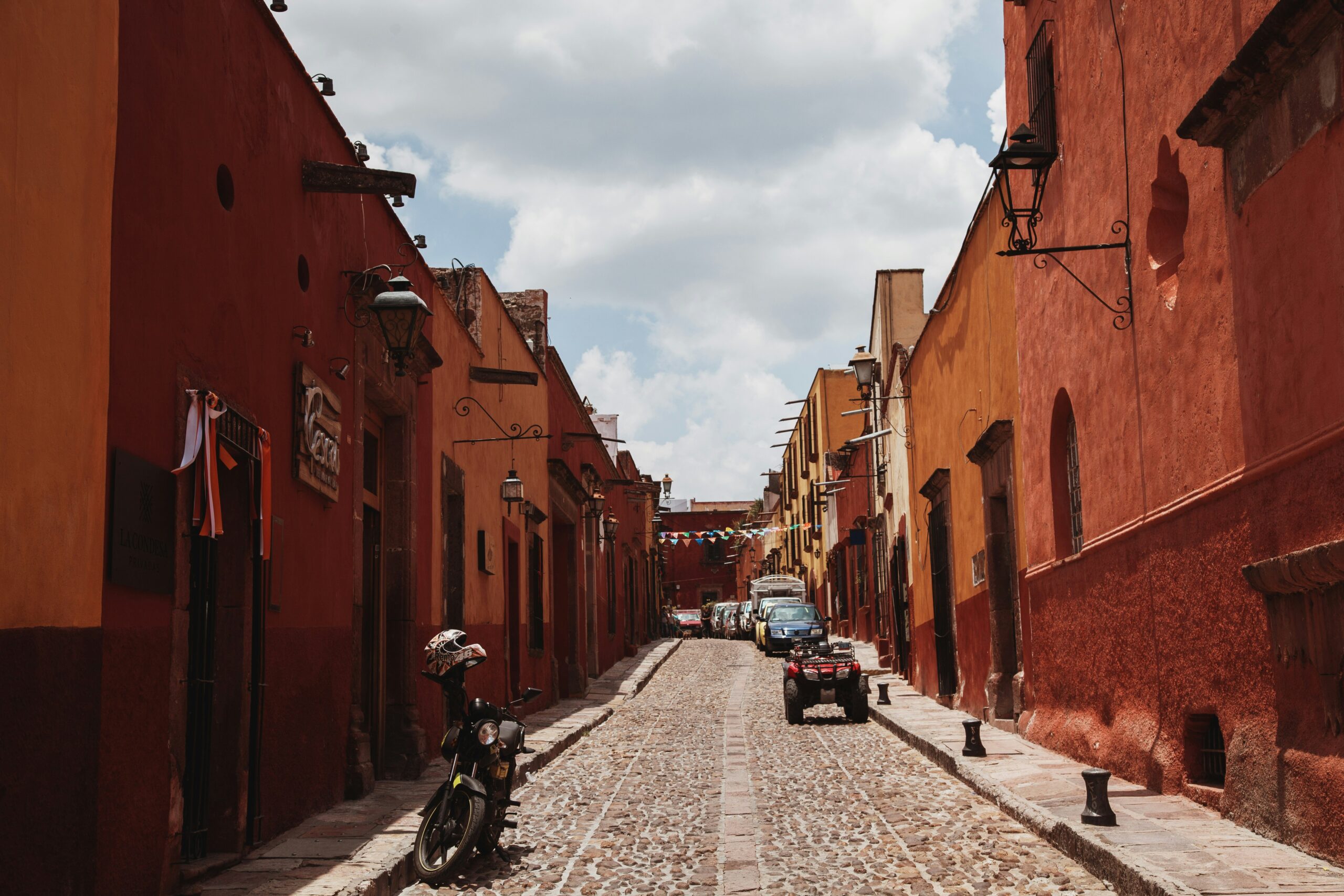
Getting lost while traveling in a Spanish-speaking country is almost a rite of passage for language learners. Whether you’re wandering the cobblestone streets of Seville, exploring the bustling markets of Mexico City, or hiking through the Andes, knowing how to ask for directions and explain that you’re lost can transform a stressful situation into a valuable learning opportunity and perhaps even an adventure.
- Essential Phrases for Admitting You’re Lost
- Polite Ways to Ask for Directions
- Asking How to Get to Your Destination
- Understanding Common Directions
- Asking for Clarification and Repetition
- Regional Variations and Cultural Notes
- Modern Alternatives and Technology
- Practical Phrases for Specific Situations
- Expressing Gratitude
- Conclusion
Essential Phrases for Admitting You’re Lost
The first step to getting unlost is admitting you need help. Here are the most common ways to express that you’re lost in Spanish-speaking countries.
The Basic Statement
The most straightforward way to say you’re lost is Estoy perdido if you’re male, or Estoy perdida if you’re female. This phrase literally means I am lost and is universally understood across all Spanish-speaking regions. The adjective changes to match your gender, which is a fundamental aspect of Spanish grammar.
For a slightly more formal approach, especially when addressing strangers or older people, you might say Me he perdido, which uses the present perfect tense and translates to I have gotten lost. This construction is particularly common in Spain.
Adding Urgency or Context
If you need to emphasize that you’re completely disoriented, try Estoy completamente perdido/a or No sé dónde estoy, which means I don’t know where I am. The latter phrase is especially useful because it opens the conversation for someone to help orient you.
When you’re lost but trying to find a specific place, combine your admission with your destination: Estoy perdido y busco el museo, meaning I’m lost and I’m looking for the museum. This gives helpful locals immediate context about how they can assist you.
Polite Ways to Ask for Directions
Once you’ve established that you need help, you’ll want to ask for directions courteously. Spanish culture values politeness, so framing your requests appropriately makes a significant difference.
Starting the Conversation
Always begin with Disculpe or Perdón, both meaning excuse me. In Latin America, you might also hear Permiso used in this context. Follow this with ¿Me puede ayudar? (Can you help me?) to establish that you’re seeking assistance.
A complete opening might sound like: Disculpe, me he perdido. ¿Me puede ayudar?
Excuse me, I’ve gotten lost. Can you help me?
Asking Where You Are
Sometimes you need to establish your current location before you can get directions. Use ¿Dónde estoy? (Where am I?) or the more specific ¿En qué calle estoy? (What street am I on?).
For a more polite version, add the conditional: ¿Podría decirme dónde estoy? (Could you tell me where I am?). The conditional form podría instead of puede adds an extra layer of courtesy that native speakers appreciate.
Asking How to Get to Your Destination
Once you’ve explained your situation, you’ll need to ask how to reach your intended destination. These phrases will help you get the information you need.
Basic Direction Requests
The most common way to ask for directions is ¿Cómo llego a…? (How do I get to…?). You can use this with any destination: ¿Cómo llego a la estación de tren? (How do I get to the train station?).
Another useful variation is ¿Cómo puedo ir a…? (How can I go to…?), which works identically. For a more direct question, ask ¿Dónde está…? (Where is…?) followed by your destination.
Asking About Distance and Time
Understanding how far you need to go is crucial. Ask ¿Está lejos? (Is it far?) or ¿Está cerca? (Is it close?). To be more specific, use ¿Cuánto tiempo se tarda? (How long does it take?) or ¿A qué distancia está? (How far away is it?).
If you’re considering walking, ask ¿Se puede ir a pie? (Can I go on foot?) or ¿Es mejor tomar un taxi? (Is it better to take a taxi?). These questions show you’re thinking practically about your options.
Understanding Common Directions
Asking for directions is only half the challenge. You also need to understand the responses you receive. Here are the most common directional terms you’ll hear.
Basic Directional Words
Learn these essential terms: derecha (right), izquierda (left), recto or derecho (straight), atrás (back), and adelante (forward). When someone says siga recto, they mean keep going straight.
You’ll often hear doble a la derecha (turn right) or gire a la izquierda (turn left). The verbs doblar and girar both mean to turn and are used interchangeably in most regions.
Landmarks and Reference Points
Native speakers typically give directions using landmarks rather than street names. Common reference points include la esquina (the corner), el semáforo (the traffic light), la plaza (the square), and la fuente (the fountain).
A typical direction might be: Siga recto hasta el semáforo, luego doble a la derecha.
Go straight until the traffic light, then turn right.
Asking for Clarification and Repetition
Don’t hesitate to ask people to repeat or clarify their directions. This is a normal part of communication, especially for language learners.
Requesting Repetition
If you didn’t catch what someone said, use ¿Puede repetir, por favor? (Can you repeat, please?) or ¿Cómo?, which is the equivalent of What? in English but less abrupt in Spanish.
For slower speech, ask ¿Puede hablar más despacio, por favor? (Can you speak more slowly, please?). Most people will happily accommodate this request when they see you’re genuinely trying to understand.
Confirming You Understood
After receiving directions, confirm your understanding by repeating them back. Start with Entonces (So then) followed by your interpretation: Entonces, voy recto y luego a la derecha, ¿verdad? (So then, I go straight and then right, correct?).
The confirmation tag ¿verdad?, ¿no?, or ¿cierto? at the end invites the person to confirm or correct your understanding, which is incredibly helpful.
Regional Variations and Cultural Notes
Spanish varies significantly across different countries and regions, and this extends to asking for directions and expressing that you’re lost.
Country-Specific Differences
In Mexico, you might hear ¿Cómo le hago para llegar? instead of ¿Cómo llego?, which uses a distinctly Mexican construction. Argentinians often use cuadras (blocks) as their primary unit of distance: Está a tres cuadras (It’s three blocks away).
In Spain, directions often reference manzanas (also blocks), while in some Latin American countries, people might give time estimates rather than distances: Está a diez minutos caminando (It’s a ten-minute walk).
Cultural Context for Asking Directions
Spanish-speaking cultures generally view helping lost travelers as a social responsibility. Don’t be surprised if someone offers to walk you part of the way or gives you extremely detailed directions. This generosity is normal and appreciated.
However, be aware that some people might give you directions even if they’re not entirely sure, preferring to offer some help rather than none. If you receive conflicting information from different people, it’s perfectly acceptable to ask a third person to verify.
Modern Alternatives and Technology
While traditional phrase-based navigation remains valuable, knowing how to discuss digital navigation in Spanish is increasingly useful.
Asking About WiFi and Maps
To ask if there’s WiFi available, say ¿Hay WiFi aquí? (Is there WiFi here?) or ¿Cuál es la contraseña del WiFi? (What’s the WiFi password?). This allows you to use your phone’s GPS.
If your phone died, you might ask ¿Puedo usar su teléfono para ver el mapa? (Can I use your phone to see the map?), though this request requires you’ve established some trust with the person helping you.
Describing What You See
When using a map app, you might need to describe your surroundings to confirm your location. Use Veo (I see) followed by what’s around you: Veo una iglesia grande y una farmacia (I see a big church and a pharmacy).
Practical Phrases for Specific Situations
Different scenarios call for specialized vocabulary beyond the basic lost-traveler phrases.
At Transit Stations
In metro or bus stations, ask ¿Qué línea debo tomar? (Which line should I take?) or ¿En qué dirección va este tren? (Which direction does this train go?). For buses, ¿Este autobús va a…? (Does this bus go to…?) is essential.
When Completely Disoriented
If you’re truly lost and perhaps a bit panicked, No tengo idea de dónde estoy (I have no idea where I am) communicates your situation clearly. Follow this with Necesito ayuda para volver a mi hotel (I need help getting back to my hotel).
Expressing Gratitude
Always thank people who help you. Muchas gracias is standard, but Muy amable (very kind) or Le agradezco mucho (I really appreciate it) adds warmth. In some regions, you might hear Qué amable (How kind) as a response to help offered.
Conclusion
Mastering phrases for getting lost in Spanish transforms navigation challenges into opportunities for authentic interaction and language practice. Whether you’re using traditional methods of asking locals for help or combining technology with your language skills, these phrases provide the foundation for successful communication. Remember that getting lost often leads to the most memorable travel experiences, and your efforts to speak Spanish will be appreciated and reciprocated with genuine helpfulness in Spanish-speaking communities worldwide.