Introduction
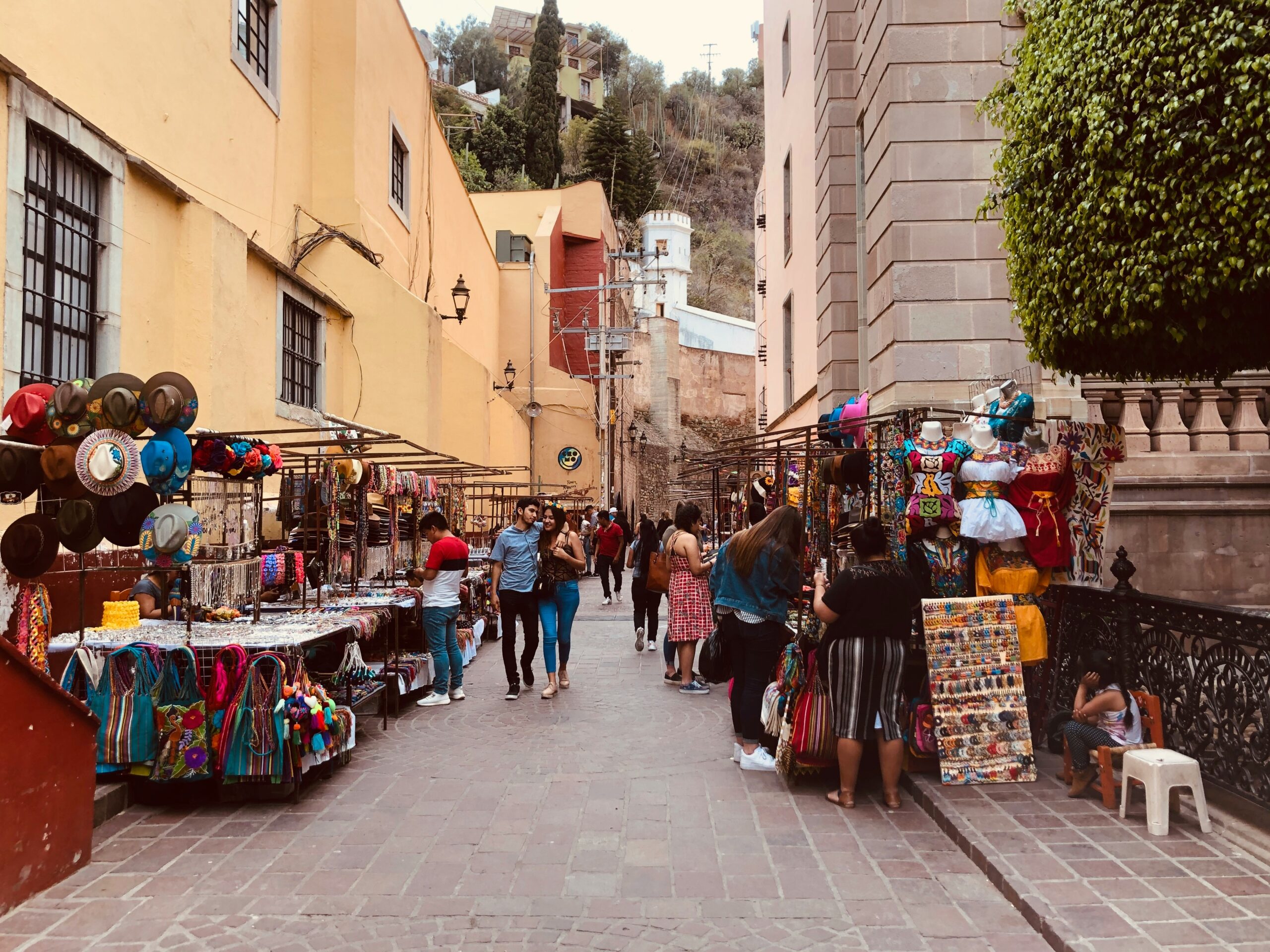
Learning Spanish vocabulary goes beyond memorizing dictionary definitions. Understanding words in their cultural and practical contexts helps language learners communicate more effectively and naturally. The Spanish word ambulante is one such term that appears frequently in everyday conversation, particularly when discussing commerce, services, and movement. This adjective describes something or someone that moves from place to place rather than remaining stationary. Whether you encounter street vendors in Latin American markets, traveling musicians in Spanish plazas, or mobile medical clinics serving rural communities, ambulante captures the essence of mobility and itinerant activity. This comprehensive guide will explore the meaning, usage, pronunciation, and cultural significance of this versatile Spanish word, providing you with the knowledge and confidence to use it correctly in conversation and writing.
Meaning and Definition
Core Definition
The word ambulante functions primarily as an adjective in Spanish, meaning mobile, itinerant, traveling, or moving from place to place. It describes people, businesses, services, or objects that do not have a fixed location but rather move around to different places. The term comes from the Latin word ambulans, which is the present participle of ambulare, meaning to walk or to move about. This etymological origin helps explain why ambulante emphasizes the active quality of movement rather than simply being transportable.
Etymology and Historical Context
The Latin root ambulare has given rise to several related words in English and other Romance languages. In English, we see words like ambulate, ambulatory, and perambulate, all relating to walking or movement. The Spanish ambulante maintains this connection to purposeful movement, particularly in the context of work, commerce, or service provision. Historically, traveling merchants, performers, and craftspeople were essential to pre-industrial economies, bringing goods, entertainment, and services to communities that lacked permanent establishments. This historical significance has ensured that ambulante remains a relevant and commonly used word in modern Spanish.
Grammatical Features
As an adjective, ambulante is invariable in gender but changes for number. This means that whether describing masculine or feminine nouns, the adjective remains ambulante, but it becomes ambulantes when describing plural nouns. For example: vendedor ambulante (male street vendor), vendedora ambulante (female street vendor), and vendedores ambulantes (street vendors, plural). This grammatical simplicity makes it relatively easy for Spanish learners to use correctly.
Usage and Example Sentences
Common Contexts and Applications
The word ambulante appears most frequently when discussing street commerce, mobile services, and itinerant professionals. Below are ten practical example sentences demonstrating various contexts in which native speakers use this word:
Example 1:
Los vendedores ambulantes ofrecen frutas frescas en las esquinas del centro.
Translation: The street vendors offer fresh fruit on the downtown corners.
Example 2:
Mi abuela compra tamales de una vendedora ambulante que pasa cada mañana.
Translation: My grandmother buys tamales from a street vendor who passes by every morning.
Example 3:
El circo ambulante llegará a nuestro pueblo la próxima semana.
Translation: The traveling circus will arrive in our town next week.
Example 4:
Necesitamos una clínica ambulante para atender a las comunidades rurales.
Translation: We need a mobile clinic to serve rural communities.
Example 5:
Los músicos ambulantes tocan en diferentes plazas cada fin de semana.
Translation: The traveling musicians play in different plazas every weekend.
Example 6:
Hay una biblioteca ambulante que visita escuelas en áreas remotas.
Translation: There is a mobile library that visits schools in remote areas.
Example 7:
El comercio ambulante es una fuente importante de ingresos para muchas familias.
Translation: Street vending is an important source of income for many families.
Example 8:
Durante la pandemia, muchos restaurantes crearon servicios ambulantes de comida.
Translation: During the pandemic, many restaurants created mobile food services.
Example 9:
La feria ambulante trae artesanías de diferentes regiones del país.
Translation: The traveling fair brings handicrafts from different regions of the country.
Example 10:
Los teatros ambulantes llevaban cultura a pueblos pequeños en el siglo pasado.
Translation: Traveling theaters brought culture to small towns in the last century.
Synonyms, Antonyms, and Word Usage Differences
Synonyms and Related Terms
Several Spanish words share similar meanings with ambulante, though each carries slightly different connotations. The word itinerante is perhaps the closest synonym, emphasizing planned travel along a route or circuit. Móvil means mobile and applies to anything that can move or be moved, but lacks the commercial or professional connotation that ambulante often carries. Callejero can refer to street vendors but is more informal and specifically tied to street-level activity. Errante suggests wandering without a fixed pattern, carrying a more poetic or aimless quality than ambulante.
Antonyms and Contrasting Concepts
The primary antonyms for ambulante include fijo (fixed), estacionario (stationary), permanente (permanent), and establecido (established). These words describe businesses, services, or individuals that operate from a fixed location. For example, una tienda fija (a fixed store) contrasts directly with un vendedor ambulante (a street vendor). Understanding these opposites helps clarify the specific meaning of ambulante as emphasizing movement and lack of permanent location.
Distinguishing Usage Contexts
While ambulante and its synonyms may seem interchangeable, native speakers choose specific words based on context. Use ambulante when describing commercial activities, professional services, or entertainment that moves between locations with purpose. Choose itinerante for more formal contexts, especially when describing organized tours or scheduled circuits. Select móvil when emphasizing the technical capacity for movement rather than the practice of moving. Reserve errante for literary or poetic contexts where aimless wandering is the focus.
Pronunciation and Accent
Phonetic Breakdown
The pronunciation of ambulante follows standard Spanish phonetic rules. In International Phonetic Alphabet (IPA) notation, it is transcribed as /am.buˈlan.te/. The word consists of four syllables: am-bu-lan-te. The stress falls on the third syllable (lan), which follows the general Spanish rule that words ending in a vowel, n, or s are stressed on the penultimate syllable. No written accent mark is needed because the word follows this default stress pattern.
Regional Pronunciation Variations
Across the Spanish-speaking world, ambulante maintains relatively consistent pronunciation, though subtle regional differences exist. In most Latin American countries and Spain, the pronunciation follows the IPA transcription closely. Caribbean Spanish speakers may soften or aspirate the final -te, while some regions of Argentina and Uruguay might pronounce the double ll sound differently in related words, though this does not affect ambulante itself. The b in the second syllable is pronounced as a softer bilabial approximant [β] rather than a hard [b] sound, which is typical for b occurring between vowels in Spanish.
Tips for Non-Native Speakers
English speakers learning Spanish should pay particular attention to several aspects of pronouncing ambulante correctly. First, ensure that each vowel is pronounced clearly and distinctly without the reduction that occurs in unstressed English syllables. Second, remember that the u in Spanish is always pronounced like the oo in English food, never like the u in English but. Third, the n in Spanish is pronounced with the tongue touching the back of the upper teeth, not the alveolar ridge as in English. Finally, the final e should be pronounced as a clear eh sound, not dropped or reduced as it might be in casual English speech.
Native Speaker Nuance and Usage Context
Cultural Significance
In Spanish-speaking cultures, the concept of ambulante commerce and services holds significant social and economic importance. Street vendors, traveling merchants, and mobile service providers form an essential part of the informal economy in many Latin American countries and Spain. These ambulantes often provide affordable goods and services to communities, particularly in areas where formal retail establishments are scarce or expensive. The word carries no inherent negative connotation, though context and tone can convey attitudes ranging from respect for entrepreneurial spirit to concerns about regulation and safety.
Formal Versus Informal Usage
The word ambulante functions comfortably in both formal and informal registers of Spanish. In official documents, news reports, and academic discussions, it serves as the standard term for mobile commerce and services. Phrases like comercio ambulante (street vending) and vendedor ambulante (street vendor) appear in government regulations, economic reports, and urban planning documents. In casual conversation, speakers use ambulante naturally when discussing where they bought something, describing neighborhood scenes, or talking about entertainment options. The word does not sound overly formal or technical in everyday speech.
Connotations and Subtleties
While ambulante itself is neutral, the connotations can shift based on what it modifies and the broader context. A biblioteca ambulante (mobile library) or clínica ambulante (mobile clinic) typically carries positive associations of accessibility and community service. Teatro ambulante (traveling theater) or músico ambulante (traveling musician) evoke cultural richness and tradition. However, discussions of vendors and street commerce can sometimes involve debates about urban space, regulation, and economic formality, so be aware of the conversational context when these topics arise.
Common Collocations
Certain nouns frequently combine with ambulante in Spanish. The most common include: vendedor/vendedora ambulante (street vendor), comercio ambulante (street vending/commerce), biblioteca ambulante (mobile library), clínica ambulante (mobile clinic), circo ambulante (traveling circus), feria ambulante (traveling fair), teatro ambulante (traveling theater), and músico ambulante (traveling musician). Learning these common combinations will help you use the word naturally and recognize it quickly when listening or reading.
Regional Variations in Usage
While ambulante is understood throughout the Spanish-speaking world, some regions have developed distinctive patterns of usage or alternative terminology. In Mexico, the term ambulante is extremely common for describing street vendors, and the phrase comercio ambulante appears frequently in media and policy discussions. In some parts of South America, particularly Argentina and Chile, you might also hear the term feriante for market vendors, though this does not carry the same sense of mobility. In Spain, mercadillo (small market) might be used for periodic outdoor markets, while ambulante emphasizes the mobile nature of individual vendors. Despite these regional preferences, ambulante remains widely recognized and used across all Spanish-speaking countries.
Conclusion
Mastering the Spanish word ambulante enriches your vocabulary with a term that captures an important aspect of Spanish-speaking cultures and economies. This adjective, describing people, businesses, and services that move from place to place, appears in countless everyday situations, from discussing where to buy street food to describing mobile healthcare initiatives. By understanding its etymology, pronunciation, proper usage contexts, and cultural significance, you can incorporate ambulante naturally into your Spanish conversations and writing. Remember that while the word itself is straightforward grammatically, its real-world applications are diverse and culturally meaningful. Whether you are traveling through Spanish-speaking countries, reading news about urban commerce, or simply expanding your vocabulary, ambulante is an essential word that connects you to the dynamic, mobile aspects of Hispanic life and culture. Practice using it in the example sentences provided, listen for it in authentic Spanish content, and you will soon find yourself using this useful adjective with confidence and precision.