Introduction
Water has always been one of humanity’s most precious resources, and throughout history, different cultures have developed ingenious methods to collect, store, and preserve it. In the Spanish-speaking world, one such method has left an indelible mark on architecture, language, and daily life. The term aljibe refers to a traditional underground cistern or water storage system that has been used for centuries across Spain, Latin America, and other regions influenced by Spanish culture. Understanding this word opens a window into historical practices of water management, architectural traditions, and the linguistic influence of Arabic on Spanish. For Spanish language learners, aljibe represents more than just a vocabulary word; it connects us to the practical wisdom of past generations who understood the vital importance of conserving water in regions where rainfall was unpredictable or scarce. This article will explore the meaning, usage, pronunciation, and cultural context of aljibe, providing you with comprehensive knowledge to use this term confidently and accurately.
Meaning and Definition
Primary Definition
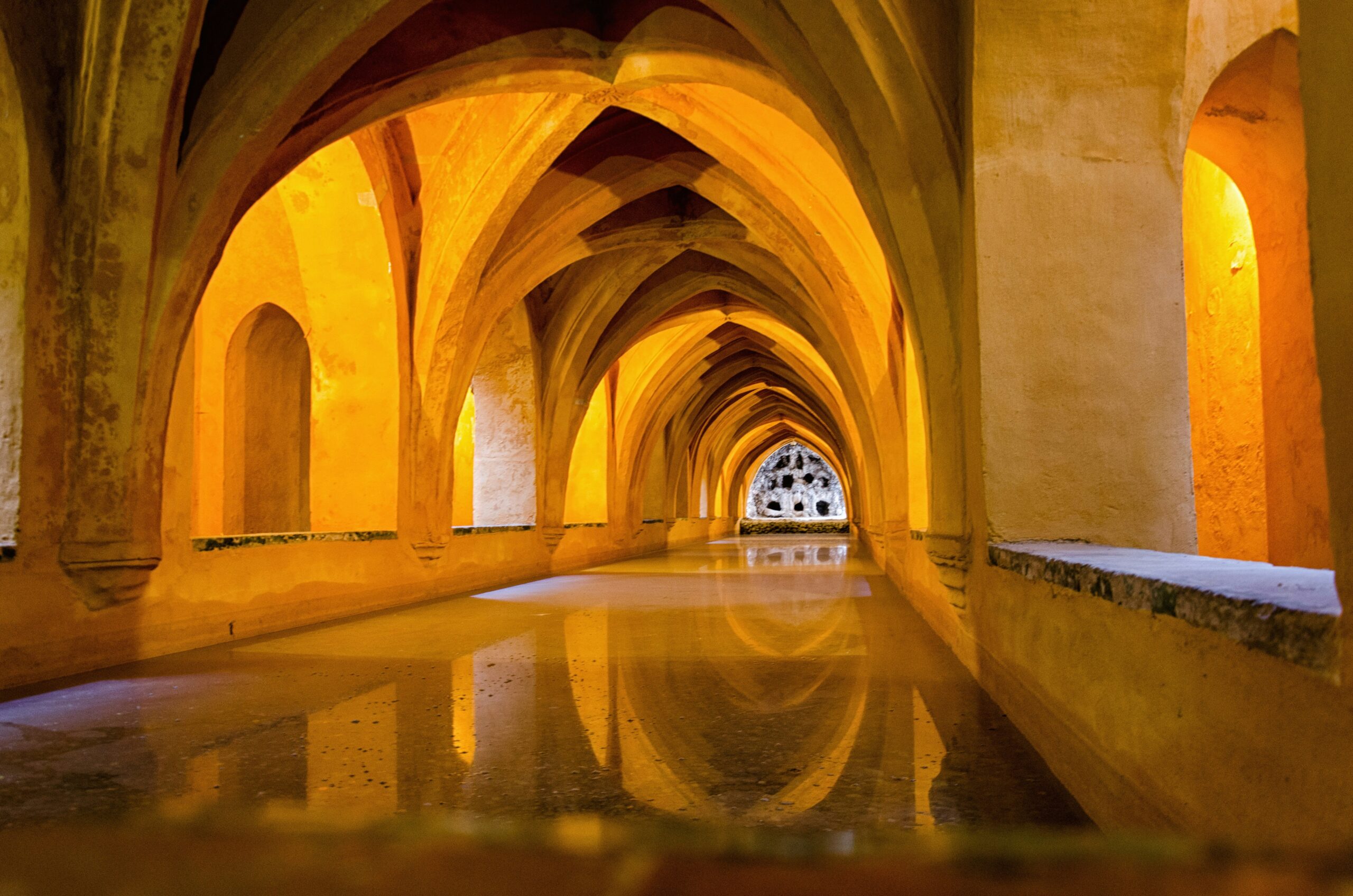
An aljibe is fundamentally a cistern or underground tank designed to collect and store rainwater or water from other sources. These structures were typically built beneath ground level to keep the water cool and protected from evaporation and contamination. The aljibe played a crucial role in arid and semi-arid regions where access to fresh water was limited, serving both domestic and agricultural purposes. In architectural terms, an aljibe usually features vaulted ceilings, waterproof walls made of stone or brick covered with special mortar, and a small opening at the top for drawing water. Many historic buildings, fortresses, and private homes throughout Spain and Latin America still contain these structures, some of which remain functional today.
Etymology and Historical Background
The word aljibe has fascinating linguistic roots that reflect the rich cultural history of the Iberian Peninsula. It derives from the Arabic word al-jubb, which means well or cistern. This Arabic influence on Spanish vocabulary is a direct result of nearly 800 years of Muslim presence in what is now Spain, from 711 to 1492. During this period, known as Al-Andalus, Arabic culture, science, and technology significantly influenced Spanish civilization, including sophisticated water management systems. The Moors brought advanced engineering knowledge to the peninsula, constructing elaborate irrigation systems, aqueducts, and storage facilities. The aljibe represents one of these technological contributions that proved so practical and effective that it became a permanent feature of Spanish architecture and language. Many other Spanish words beginning with al- similarly trace their origins to Arabic, such as almohada (pillow), alcalde (mayor), and alfombra (carpet).
Architectural and Practical Nuances
When discussing aljibe structures, it’s important to understand their construction and function. Traditional aljibe systems often incorporated filtration mechanisms, with layers of sand and gravel that helped purify the collected rainwater. The walls were treated with a special waterproof coating made from lime, sand, and sometimes clay or volcanic materials, depending on the region. The size of an aljibe could vary dramatically, from small household cisterns holding a few hundred liters to massive public structures capable of storing thousands of cubic meters of water. In fortresses and castles, the aljibe was a strategic element, ensuring water supply during sieges. The architecture of these cisterns demonstrates remarkable engineering skill, with some structures maintaining their watertight integrity for centuries.
Usage and Example Sentences
To help you understand how aljibe is used in natural Spanish conversation and writing, here are several example sentences with English translations:
Example 1:
La casa colonial tiene un aljibe antiguo en el patio que todavía funciona.
The colonial house has an old cistern in the courtyard that still works.
Example 2:
Durante la sequía, las familias dependían completamente del agua almacenada en el aljibe.
During the drought, families depended completely on the water stored in the cistern.
Example 3:
Los arqueólogos descubrieron un aljibe romano bajo los cimientos del edificio medieval.
Archaeologists discovered a Roman cistern beneath the foundations of the medieval building.
Example 4:
Mi abuelo limpiaba el aljibe cada primavera para mantener el agua potable.
My grandfather cleaned the cistern every spring to keep the water drinkable.
Example 5:
El aljibe del castillo podía almacenar suficiente agua para resistir un asedio de varios meses.
The castle’s cistern could store enough water to withstand a siege of several months.
Example 6:
En muchas islas del Caribe, los aljibes eran esenciales antes de la llegada del agua corriente.
On many Caribbean islands, cisterns were essential before the arrival of running water.
Example 7:
La restauración del edificio histórico incluyó la recuperación del aljibe original.
The restoration of the historic building included recovering the original cistern.
Example 8:
Bajamos por unas escaleras estrechas para ver el aljibe subterráneo.
We went down some narrow stairs to see the underground cistern.
Synonyms, Antonyms, and Word Usage Differences
Synonyms and Related Terms
While aljibe is a specific term, several related words exist in Spanish that refer to water storage or collection systems. Understanding these distinctions helps learners use vocabulary more precisely. Cisterna is perhaps the closest synonym, also meaning cistern or water tank, though it typically refers to more modern above-ground or partially buried tanks. Depósito de agua is a general term for water deposit or tank, which can refer to any water storage facility, including modern ones. Tinaja refers to large earthenware jars traditionally used to store water or other liquids, though these are much smaller than an aljibe. Pozo means well and refers to a structure that reaches underground water sources rather than storing collected water. Alberca can mean a water reservoir or pool, and like aljibe, it also has Arabic origins. The key distinction is that an aljibe specifically refers to an underground or semi-underground waterproof chamber designed to collect and store rainwater or transported water.
Antonyms and Contrasting Concepts
While water-related vocabulary doesn’t have obvious direct antonyms, we can consider contrasting concepts. Fuente (fountain or spring) represents a natural water source rather than a storage system. Desagüe (drain) refers to water removal rather than storage. Sequía (drought) represents the absence of water that an aljibe helps combat. Understanding these contrasts helps learners appreciate the specific function and importance of the aljibe in water management systems.
Regional Variations
The term aljibe is widely understood throughout the Spanish-speaking world, though its frequency of use varies by region. In Spain, particularly in Andalusia, the word is commonly used due to the historical presence of these structures. In Latin America, usage varies: in the Caribbean islands, Mexico, and parts of Central America where water collection has historically been important, the term remains in active use. In some regions, particularly in South America, cisterna might be more commonly used for modern water tanks, while aljibe retains its association with traditional or historical structures. In the Canary Islands, aljibes were particularly important and remain a notable feature of traditional architecture.
Pronunciation and Accent
Standard Pronunciation
The word aljibe is pronounced in Spanish with three syllables: al-ji-be. In International Phonetic Alphabet (IPA) notation, it is represented as [alˈxi.be]. Let’s break down each component: The first syllable al is pronounced with a short a sound as in father, followed by a clear l sound. The second syllable ji contains the Spanish j sound, which is a voiceless velar fricative similar to the ch in the Scottish word loch or the German Bach. This sound doesn’t exist in English and is produced by creating friction in the back of the throat. English speakers often struggle with this sound, sometimes pronouncing it like an English h, which is not quite accurate. The i is pronounced as a short ee sound. The final syllable be is pronounced with a soft b sound (which in Spanish between vowels is actually a bilabial approximant, softer than the English b) followed by an e that sounds like the e in met.
Stress and Accent Marks
The stress in aljibe falls on the second syllable, ji. This follows a standard Spanish pronunciation rule: words ending in a vowel, n, or s are normally stressed on the second-to-last syllable. Since aljibe ends in e, the stress naturally falls on ji, and therefore no written accent mark is needed. When pronouncing the word, you should emphasize the ji syllable slightly more than the others: al-JI-be. This stress pattern is important for being understood correctly by native speakers.
Common Pronunciation Mistakes
English speakers learning Spanish often make several common errors when pronouncing aljibe. The most frequent mistake is pronouncing the j too softly, like an English h, rather than using the proper guttural Spanish j sound. Another common error is stressing the wrong syllable, particularly putting stress on the first syllable (AL-ji-be) rather than the second. Some learners also pronounce the final e with a long vowel sound as in day rather than the short Spanish e. Practicing with native speakers or audio resources can help you master the correct pronunciation.
Native Speaker Nuance and Usage Context
Contemporary Usage
In modern Spanish, aljibe occupies an interesting linguistic space. For most native speakers, particularly in urban areas, it is primarily associated with historical or traditional architecture rather than everyday life. When the word appears in conversation, it often relates to tourism, historical sites, rural properties, or architectural restoration. However, in some rural areas and islands where water collection remains relevant, the term retains practical, everyday usage. Native speakers recognize aljibe immediately and understand its meaning, but they might not use it frequently unless discussing specific contexts related to traditional water systems or historical buildings.
Cultural and Historical Significance
For Spanish speakers, especially in Spain, aljibe carries cultural weight beyond its literal meaning. It represents a connection to the country’s Moorish heritage and serves as a reminder of the practical innovations that Arabic culture brought to the Iberian Peninsula. In literature and poetry, references to aljibes can evoke themes of scarcity and abundance, preservation, and the wisdom of traditional practices. In regions where water scarcity remains a concern, the concept of the aljibe symbolizes foresight and respect for natural resources. Many Spanish proverbs and sayings about water conservation reflect the cultural mindset that developed around these storage systems.
Usage in Different Registers
The word aljibe is neutral in register, appropriate for both formal and informal contexts. In academic or technical writing about architecture, archaeology, or engineering, it appears as a precise technical term. In casual conversation among friends discussing a visit to a historical site, it would be equally natural. In tourism and cultural heritage contexts, guides and informational materials regularly use the term when describing historical buildings. Real estate listings for rural properties or renovated historical homes might mention the presence of an aljibe as a characterful architectural feature.
Idiomatic Expressions
While aljibe doesn’t appear in many common idioms, there are some regional expressions and metaphorical uses. In some areas, you might hear someone described as having a memory like an aljibe, suggesting they retain information deeply and thoroughly, just as a cistern holds water. The phrase llenar el aljibe (to fill the cistern) can metaphorically mean to prepare for difficult times ahead. These uses are less common than the literal meaning but demonstrate how the concept has permeated cultural consciousness.
Related Vocabulary for Learners
When learning about aljibes, it’s helpful to know related vocabulary. Recoger agua de lluvia means to collect rainwater. Almacenar means to store. Impermeable means waterproof. Bóveda refers to a vault or arched ceiling, common in aljibe construction. Potable means drinkable or potable. Brocal refers to the rim or opening at the top of a well or cistern. Patrimonio means heritage, often used when discussing historical aljibes as part of cultural heritage. Learning these terms together helps build a comprehensive understanding of the topic.
Conclusion
The word aljibe offers Spanish language learners much more than a simple vocabulary addition. It provides insight into the historical interplay between Arabic and Spanish cultures, illustrates practical human ingenuity in managing precious water resources, and connects us to architectural traditions that have shaped the Spanish-speaking world for centuries. Understanding aljibe means understanding a piece of living history that continues to exist in countless buildings across Spain, Latin America, and beyond. Whether you encounter this term while traveling through Andalusian villages, reading historical texts, or discussing sustainable water management practices, you now have the knowledge to use it correctly and appreciate its full significance. The aljibe stands as a testament to the wisdom of building systems that work with nature rather than against it, a lesson that remains relevant in our modern world facing water scarcity challenges. By mastering words like aljibe, you deepen not only your Spanish vocabulary but also your understanding of the cultures and histories embedded in the language.