Introduction
When learning Spanish, encountering regional and specialized vocabulary can open doors to understanding the rich cultural diversity of Spanish-speaking countries. The word albero is one such term that carries particular significance in certain regions of Spain, especially in Andalusia. While it may not appear in everyday conversation across all Spanish-speaking territories, understanding albero provides valuable insight into Spanish bullfighting culture, traditional architecture, and regional linguistic variations. This term refers to a specific type of yellowish clay soil that has been used for centuries in various contexts, from bullrings to traditional flooring. For Spanish learners seeking to deepen their vocabulary beyond standard textbook terms, exploring words like albero enriches comprehension of cultural traditions and regional expressions that make the Spanish language so vibrant and diverse.
Meaning and Definition
Primary Definition
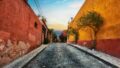
The term albero refers to a yellowish or ochre-colored clay soil with a sandy texture, commonly found in southern Spain, particularly in the Andalusian region. This distinctive material has been utilized for centuries as a surface covering in bullfighting arenas, known as plazas de toros, where it provides the characteristic golden appearance of the ring floor. Beyond bullfighting venues, albero has also been traditionally used as flooring material in patios, courtyards, and rural homes throughout Andalusia, valued for its ability to stay cool in hot weather and its natural aesthetic appeal.
Etymology and Linguistic Origins
The word albero has its roots in the Latin term albus, meaning white or pale, though the soil itself is more accurately described as yellowish-ochre rather than white. This etymological connection reflects the lighter color of albero compared to darker soils. The term has been part of Andalusian Spanish for centuries, maintaining its regional character while occasionally appearing in broader Spanish vocabulary when discussing bullfighting or traditional architecture. The linguistic evolution of albero demonstrates how Latin-derived words adapted to describe specific regional materials and cultural practices unique to southern Spain.
Contextual and Cultural Significance
Understanding albero requires appreciation of its cultural context within Spanish traditions. In bullfighting culture, the golden surface of albero in the plaza de toros is iconic, providing not only a practical surface for the spectacle but also contributing to the visual aesthetics of the event. The material absorbs blood and provides stable footing for both the matador and the bull. In architectural contexts, albero flooring in traditional Andalusian patios represents a connection to historical building practices, offering natural temperature regulation in the region’s hot climate. The term carries connotations of tradition, regional identity, and cultural heritage that extend beyond its literal definition as a type of clay soil.
Usage and Example Sentences
Practical Examples in Context
To help learners understand how albero functions in real Spanish communication, here are multiple example sentences demonstrating various contexts and usage patterns:
El albero de la plaza de toros brillaba bajo el sol andaluz.
The ochre clay of the bullring gleamed under the Andalusian sun.
Mi abuela siempre mantenía el patio cubierto de albero para que estuviera fresco en verano.
My grandmother always kept the courtyard covered with albero clay so it would stay cool in summer.
Los trabajadores esparcieron albero nuevo por toda la superficie del ruedo antes de la corrida.
The workers spread fresh albero clay across the entire surface of the ring before the bullfight.
El color dorado del albero es característico de las plazas de toros españolas.
The golden color of albero clay is characteristic of Spanish bullfighting rings.
En algunos pueblos andaluces, todavía se utiliza albero para los suelos de las casas tradicionales.
In some Andalusian villages, albero clay is still used for the floors of traditional houses.
El albero se compacta bien y crea una superficie firme pero suave.
Albero clay compacts well and creates a firm but soft surface.
Después de cada corrida, es necesario rastrillar el albero para dejarlo uniforme.
After each bullfight, it is necessary to rake the albero clay to leave it uniform.
La extracción de albero se realiza en canteras específicas de la región de Sevilla.
The extraction of albero clay is carried out in specific quarries in the Seville region.
Synonyms, Antonyms, and Word Usage Differences
Synonyms and Related Terms
While albero is a specific term with limited direct synonyms, several related words and phrases can convey similar meanings depending on context. The phrase arena amarilla, meaning yellow sand, might be used descriptively, though it lacks the cultural specificity of albero. The term arcilla, meaning clay, is more general and does not capture the particular characteristics of albero. In some contexts, tierra ocre or tierra amarillenta, meaning ochre earth or yellowish earth, might describe similar materials but without the traditional and cultural associations.
Antonyms and Contrasting Concepts
Identifying true antonyms for albero is challenging since it describes a specific material rather than expressing a quality with clear opposites. However, contrasting terms might include tierra oscura, meaning dark soil, which would represent the opposite color spectrum. Other contrasting materials used in similar contexts might include césped, meaning grass, or pavimento, meaning pavement, which represent different surface choices for outdoor spaces. These alternatives highlight how albero occupies a unique position as a traditional, natural material distinct from both completely natural grass surfaces and modern artificial pavements.
Usage Distinctions and Nuances
When using albero in conversation or writing, it is important to recognize its regional and specialized nature. This term is most commonly understood and used in southern Spain, particularly in Andalusia, and in contexts related to bullfighting culture. In other Spanish-speaking regions or countries, the term might not be immediately recognized, requiring explanation or substitution with more general descriptive phrases. The word carries strong cultural connotations, evoking traditional Spanish customs and architectural practices that may not translate directly to other Hispanic cultures.
Pronunciation and Accent
Phonetic Breakdown
The pronunciation of albero follows standard Spanish phonetic rules. In International Phonetic Alphabet notation, it is transcribed as /alˈbe.ɾo/. The word consists of three syllables: al-be-ro, with the stress falling on the second syllable, be. This stress pattern is typical for Spanish words ending in a vowel. The initial a is pronounced as an open central vowel, similar to the a in father. The l is a clear lateral consonant, and the b is pronounced as a voiced bilabial stop when it appears at the beginning of the syllable after a pause or nasal consonant, though in continuous speech it may soften slightly.
Regional Pronunciation Variations
In Andalusian Spanish, where albero is most commonly used, certain phonetic characteristics of the regional accent may affect pronunciation. Andalusian speakers often exhibit seseo, pronouncing c before e or i and z as /s/ rather than the theta sound /θ/ used in central and northern Spain, though this does not directly affect albero. The r sound in albero is a single tap or flap of the tongue, represented as /ɾ/, which is softer than the trilled double r. Andalusian speech may also feature slight vowel modifications and a tendency toward softer consonant articulation, giving the word a flowing, melodious quality characteristic of southern Spanish dialects.
Stress and Accentuation Rules
The word albero does not carry a written accent mark because it follows the standard Spanish accentuation rule for words ending in a vowel: the stress naturally falls on the penultimate syllable. Spanish learners should remember that words ending in vowels, n, or s are stressed on the second-to-last syllable unless indicated otherwise by a written accent. In albero, emphasizing the be syllable comes naturally when following Spanish rhythm patterns. Incorrect stress placement, such as stressing the first or last syllable, would sound noticeably foreign to native speakers and could impede comprehension.
Native Speaker Nuance and Usage Context
Cultural Associations and Connotations
For native Spanish speakers, particularly those from Andalusia, albero evokes strong cultural associations with traditional Spanish life. The word immediately brings to mind images of bullfighting rings, with their distinctive golden surfaces and the dramatic spectacles that unfold upon them. Beyond bullfighting, albero connects to memories of traditional Andalusian architecture, family courtyards, and the sensory experience of walking on its distinctive textured surface. The term carries nostalgic weight for many Spaniards, representing a connection to historical practices and regional identity that continues to hold cultural significance even as modern materials and customs evolve.
Appropriate Contexts for Usage
Native speakers typically employ albero in specific contexts rather than general conversation. The term appears naturally when discussing bullfighting, whether in person, in media coverage, or in cultural commentary about this controversial tradition. It also arises in conversations about traditional architecture, home renovation, or garden design, particularly when discussing authentic Andalusian aesthetics. In tourism contexts, guides and cultural educators use albero when explaining the distinctive features of Spanish plazas de toros or traditional patios. The word would sound out of place in everyday conversation unrelated to these specific topics, marking the speaker as either regionally rooted or culturally knowledgeable about Spanish traditions.
Register and Formality Considerations
The term albero maintains a relatively neutral register, appropriate for both formal and informal contexts within its relevant domains. In academic or professional discussions about architecture, cultural heritage, or bullfighting, albero serves as the precise technical term for this specific material. In casual conversation among friends or family discussing visits to bullrings or traditional homes, the word fits comfortably without sounding overly formal or technical. However, because of its specialized nature, using albero demonstrates a certain level of cultural knowledge that might elevate the perceived sophistication of the speaker, particularly when communicating with audiences unfamiliar with the term.
Common Collocations and Phrases
Native speakers frequently combine albero with certain verbs and adjectives that reflect its typical uses and characteristics. Common collocations include echar albero, meaning to spread or lay albero clay, and rastrillar el albero, meaning to rake the albero clay surface. Descriptive phrases often reference its color and texture: albero dorado refers to golden albero clay, while albero compactado describes compacted albero clay. The phrase suelo de albero, meaning albero clay floor, appears frequently in architectural contexts. Understanding these natural word combinations helps learners use albero more authentically and recognize it more readily in native speech and writing.
Regional Awareness and Sensitivity
Spanish learners should approach albero with awareness of its strong regional character and cultural associations. While the term is well understood throughout Spain, particularly in discussions of bullfighting, it may require explanation when communicating with Spanish speakers from Latin America or regions outside Andalusia. Additionally, given the controversial nature of bullfighting in contemporary society, references to albero in this context may evoke varied reactions depending on individual perspectives on this tradition. Using the term thoughtfully and with cultural sensitivity demonstrates respect for both traditional Spanish culture and contemporary debates surrounding practices like bullfighting.
Conclusion
The word albero exemplifies how specialized vocabulary enriches Spanish language learning by connecting learners to specific cultural practices and regional traditions. While not essential for basic communication, understanding albero provides valuable insight into Andalusian culture, Spanish bullfighting traditions, and historical architectural practices that continue to influence contemporary Spanish life. This distinctive yellowish clay material, with its centuries-old applications in bullrings and traditional homes, represents more than just a building material—it embodies cultural heritage and regional identity that remain meaningful to many Spanish speakers. For language learners committed to achieving deeper cultural competence, exploring terms like albero moves beyond vocabulary acquisition toward genuine appreciation of the diverse traditions and practices that shape Spanish-speaking communities. By learning such culturally significant words, students gain not only linguistic knowledge but also the contextual understanding necessary for authentic communication and cultural respect when engaging with Spanish language and traditions.