Introduction
imaginaré is a useful Spanish word for talking about what you will picture, think of, or create in your mind. You might use it when describing a plan, making a promise to yourself, or explaining how you will respond to a question. It comes from the verb imaginar, which means to imagine. The ending -é tells you that the action belongs to the future and that the subject is yo, or I. So, in its simplest sense, the word means I will imagine.
Learning this form can help you talk about ideas that have not happened yet, from planning a story to picturing a future vacation. It is also a good example of a common Spanish future-tense pattern. Once you understand how the word is built and where the stress falls, you can recognize related forms and make your own sentences. This guide explains its meaning, grammar, pronunciation, and everyday use with clear examples for English-speaking learners.
Meaning and Definition
The Spanish verb form imaginaré means I will imagine. It is the first-person singular form of the simple future tense of imaginar. The subject is usually understood to be yo, so speakers generally do not need to say yo before the verb. For example, imaginaré una solución means I will imagine a solution.
Imaginar can mean to form a picture or idea in your mind, to suppose something, or to invent something. The exact meaning depends on the sentence. If you imagine a place, you picture it mentally. If you imagine an answer, you think of a possible answer. If you imagine a story, you create it in your mind. The future form keeps these meanings and places the action in the future.
The ending is an important clue. In the Spanish simple future, the infinitive is usually kept whole and a future ending is added. For the yo form, that ending is -é. The pattern is imaginar + é, which gives imaginaré. The written accent on the final é marks the stressed syllable and is part of the correct spelling.
In English, I will imagine is the closest direct translation, but the word can sound more natural in a sentence than it does as a stand-alone promise. For instance, someone may say imaginaré otra posibilidad to mean that they will consider or picture another possibility. Depending on context, English speakers might translate that idea as I will think of another possibility.
The verb imaginar comes from the Latin imaginari, meaning to picture or represent in the mind. Its connection to words such as image and imagination can make it easier to remember. Spanish also has related nouns, including imagen, meaning image, and imaginación, meaning imagination. These related words share an idea of forming or working with mental pictures.
Although the simple future is often used for actions that will happen later, it does not always describe a fixed schedule. It can express an intention, a prediction, or a decision made while speaking. The surrounding words and the conversation tell you which meaning is intended.
Usage and Example Sentences
These examples show how imaginaré works in different situations. Notice that the subject yo is not required because the verb ending already identifies the speaker.
Spanish: Imaginaré un jardín lleno de flores para el proyecto.
English: I will imagine a garden full of flowers for the project.
Spanish: Cuando lea el cuento, imaginaré cada lugar con cuidado.
English: When I read the story, I will picture each place carefully.
Spanish: No sé cuál será la respuesta, pero imaginaré una posibilidad.
English: I do not know what the answer will be, but I will imagine one possibility.
Spanish: Esta noche imaginaré cómo será nuestro viaje.
English: Tonight I will imagine what our trip will be like.
Spanish: Con los detalles que me diste, imaginaré una escena para el dibujo.
English: With the details you gave me, I will picture a scene for the drawing.
Spanish: Si me das una pista, imaginaré el final de la historia.
English: If you give me a clue, I will imagine the ending of the story.
Spanish: Imaginaré nuevas ideas antes de elegir un tema.
English: I will come up with new ideas before choosing a topic.
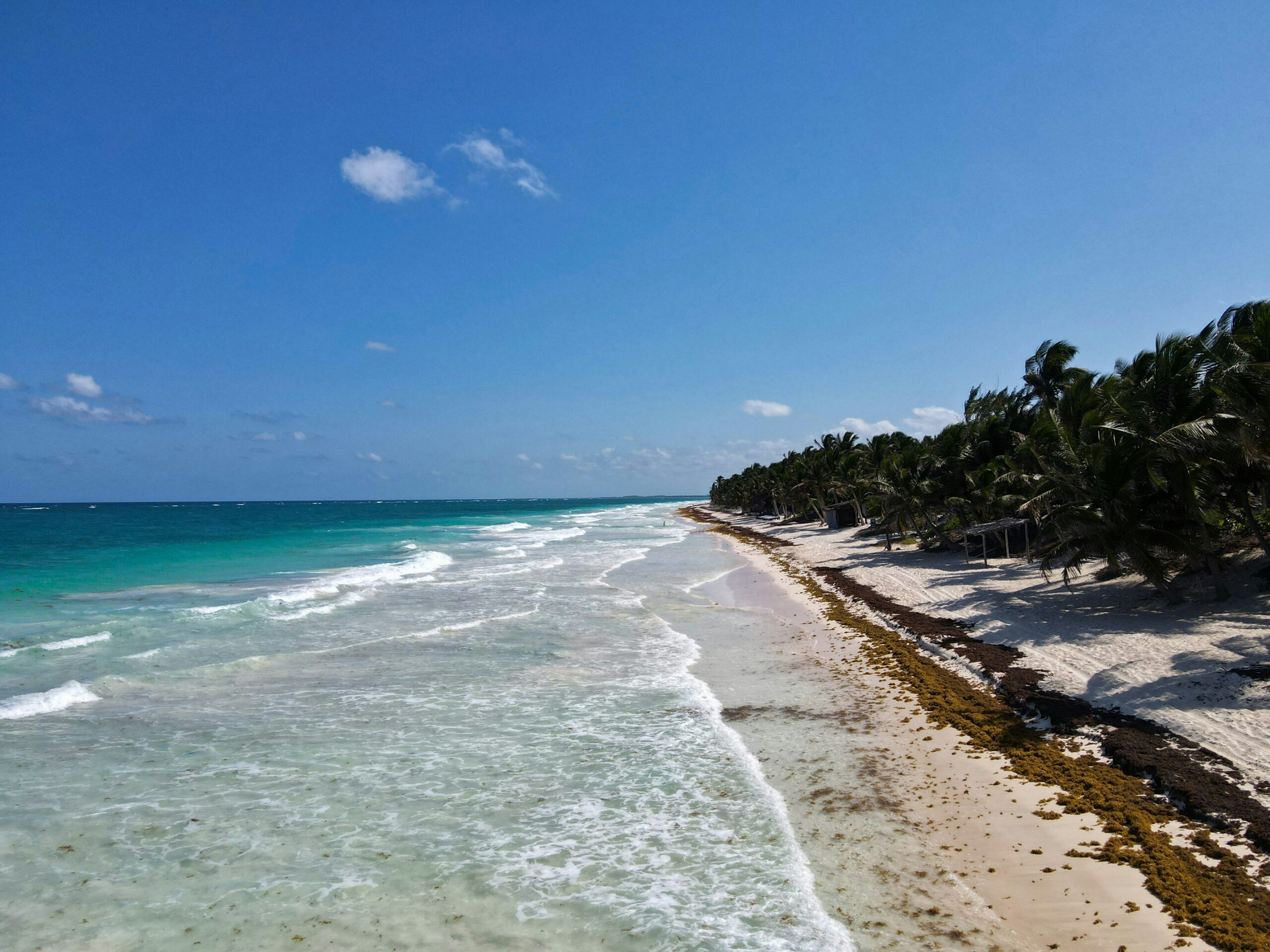
Spanish: Durante la actividad, imaginaré que estoy en una playa tranquila.
English: During the activity, I will imagine that I am on a peaceful beach.
Spanish: Al escuchar la música, imaginaré colores y formas.
English: As I listen to the music, I will imagine colors and shapes.
The word often appears with a direct object, such as una escena, un jardín, or el final. These phrases tell the listener what the speaker will imagine. It can also be followed by que and a full clause, as in imaginaré que estoy en una playa tranquila. In that structure, que means that.
A time expression can make the future meaning especially clear. Words and phrases such as mañana, esta noche, después, or cuando termine help show when the imagining will take place. They are optional, however. The future ending already signals that the action is presented as future.
Synonyms, Antonyms, and Word Usage Differences
Several Spanish words are related to imaginaré, but they do not all mean exactly the same thing. The best choice depends on whether you want to emphasize a mental picture, a guess, a creative idea, or careful thought.
Imaginaré is the future form of imaginar. A close alternative is pensaré, which means I will think. Pensar is broader and often refers to considering a question, having an opinion, or using your mind in general. Imaginar is more likely when you mean that you will form a mental picture or invent a possibility. For example, pensaré en una respuesta means I will think about an answer, while imaginaré una respuesta suggests picturing or making one up.
Another related verb is concebir, whose future yo form is concebiré. It can mean to conceive, develop, or form an idea. It often sounds more formal or deliberate than imaginar. A person might use it when discussing how an idea or plan will be developed, while imaginar is common in ordinary conversation and creative settings.
Figurarse can mean to picture something or to suppose something. Its meaning is close to imagine in some contexts, but it is a reflexive verb and its sentence pattern can differ. For example, me figuraré una escena can mean I will picture a scene. Learners should not replace imaginar with this verb automatically; the phrasing and tone may change.
Soñar means to dream. It can refer to sleep dreams or to hopes and ambitions. It may overlap with imagining when someone pictures a hoped-for future, but it is not a general substitute. Soñaré con una casa junto al mar means I will dream about a house by the sea, while imaginaré una casa junto al mar focuses on forming that picture in the mind.
There is no single exact antonym for imaginaré. The opposite depends on the intended meaning. If the contrast is between inventing an idea and checking what is real, a speaker might say comprobaré los datos, meaning I will check the facts. If the contrast is between creating a mental picture and noticing what is actually present, observaré, meaning I will observe, may fit. These verbs are opposites only in a particular context, not in every sentence.
Another useful contrast is recordaré, meaning I will remember. Remembering is about bringing back information or an experience, while imagining is about forming a picture or possibility. A person could do both, but they describe different mental actions. Choosing the precise verb helps your Spanish sound clear rather than simply relying on a word that seems similar in English.
For learners, a practical rule is to use imaginar when you mean picture, suppose, or invent in your mind. Choose pensar when you mean think or consider more generally. Choose soñar when you mean dream or hope strongly for something. Use concebir for a more formal sense of developing an idea, and check the full sentence before using a reflexive alternative such as figurarse.
Pronunciation and Accent
A standard pronunciation of imaginaré is /ima.xi.naˈɾe/. The exact sound of the consonant represented by j varies somewhat by region, but it is generally pronounced as a breathy sound made near the back of the mouth. It is not pronounced like the English j in jump.
Break the word into syllables like this: i-ma-gi-na-ré. In Spanish spelling, the letter g before i has the same general sound as Spanish j. The final r is a light tap of the tongue against the area just behind the upper teeth. It is shorter and lighter than the strong rolled rr sound.
The main stress falls on the final syllable, ré. The accent mark over é shows this stress and also tells readers that the word follows a marked stress pattern. Keep the final syllable clear: ee-ma-hee-na-REH is a rough guide for English speakers, though the Spanish sounds should remain smooth and the final r should be a tap.
A common mistake is to stress the middle of the word, as though it were pronounced ima-GI-na-re. Another is to leave off the accent mark when writing. The accent is not optional: imaginaré means I will imagine, while the unaccented spelling imaginaré would be incorrect in standard Spanish. Be careful not to confuse it with imaginare, a different written form that is uncommon in everyday communication.
English speakers sometimes replace the Spanish j sound with a strong English h or with the j sound in jam. Aim instead for a gentle breathy sound, without stopping the airflow. Listening to native speakers and repeating the word in a full sentence can help you learn its rhythm more easily than practicing the word alone.
Native Speaker Nuance and Usage Context
In everyday Spanish, speakers use imaginaré when they want to describe a future mental action. It can appear in conversations about art, stories, travel, projects, and possible solutions. The word is suitable in both casual and more formal settings because imaginar itself is a neutral verb.
The simple future can sound like a firm intention: imaginaré una nueva forma de organizar el espacio suggests that the speaker plans to picture or develop a new arrangement. It can also sound like a prediction about what the speaker will do. The tone depends on the situation, so the word does not automatically communicate a promise or a strong commitment.
Spanish speakers often leave out the subject pronoun when it is clear who is acting. The ending -é identifies the speaker, so imaginaré una historia is complete by itself. Adding yo is possible when the speaker wants to emphasize I, contrast their action with someone else’s, or make the subject especially clear. In a neutral sentence, leaving it out is often the more natural choice.
There are also other ways to talk about the future. In many places, speakers commonly use ir a plus the infinitive for plans or expected actions. For example, voy a imaginar una escena means I am going to imagine a scene. The simple future can sound a little more concise, definite, or formal in some situations, but the difference is not absolute. Both forms are widely understood.
Do not confuse the future form with the conditional imaginaría, meaning I would imagine. The future form presents the action as something that will happen, while the conditional often depends on a condition or describes a hypothetical situation. The accent and ending change, so careful listening and spelling practice are useful.
In conversation, the verb can introduce an idea without claiming that it is true. Saying that you will imagine a possible explanation does not mean that you know the explanation is correct. If you want to make that distinction clear, you can add words such as tal vez, meaning perhaps, or una posibilidad, meaning one possibility.
Conclusion
Imaginaré is the first-person singular simple future form of imaginar and means I will imagine. It can describe picturing something, thinking of a possibility, or inventing an idea in the mind. The word is built from the infinitive imaginar and the future ending -é, and its accent mark shows that the final syllable receives the stress.
Use it with a noun to say what you will imagine, or follow it with que and a clause to describe the imagined situation. Remember that pensaré is broader, soñaré is connected to dreams and hopes, and concebiré can sound more formal. There is no perfect antonym; the best contrast depends on the sentence. Pronounce the final r as a light tap and the g before i with the Spanish j sound. With these patterns in mind, you can use imaginaré naturally when speaking about future ideas, plans, and creative possibilities.