Introduction
Learning Spanish vocabulary goes beyond simply memorizing translations—it requires understanding cultural contexts, regional variations, and authentic usage patterns. The word patio represents a perfect example of how Spanish vocabulary connects language learners to Hispanic culture and architectural traditions. This comprehensive guide explores every aspect of this essential Spanish term, from its historical origins to modern conversational applications.
Whether you’re planning to visit a Spanish-speaking country, studying architecture, or simply expanding your vocabulary, understanding patio will enhance your ability to describe spaces, discuss housing, and appreciate cultural differences. This word appears frequently in everyday conversations, travel descriptions, and real estate discussions throughout the Spanish-speaking world.
Meaning and Definition
Primary Definition
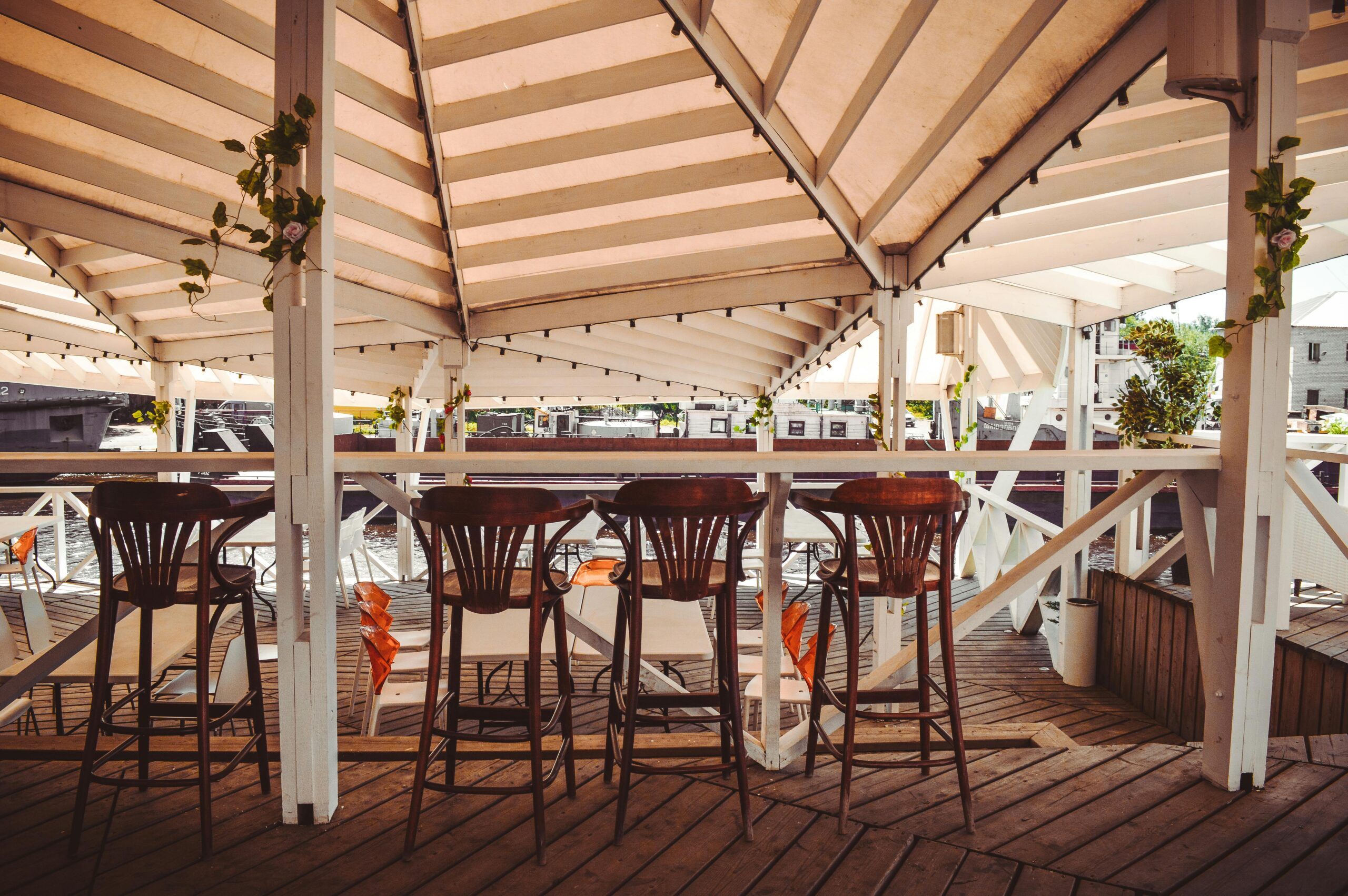
The Spanish word patio refers to an open-air space that is typically enclosed or partially enclosed by walls, buildings, or other structures. Unlike its English counterpart, the Spanish patio encompasses a broader range of outdoor spaces and carries deeper cultural significance in Hispanic architecture and daily life.
In Spanish-speaking countries, a patio serves as a central gathering place for families and communities. These spaces often feature plants, fountains, seating areas, and sometimes cooking facilities. The concept extends beyond simple outdoor areas to represent important social and cultural spaces where people connect, relax, and celebrate.
Etymology and Historical Background
The word patio derives from the Latin term patere, meaning to be open or to lie open. This etymology reflects the fundamental characteristic of these spaces—their openness to the sky and their role as transitional areas between indoor and outdoor environments.
Historical evidence shows that patio spaces existed in Roman architecture, later influenced by Moorish design elements during the Islamic period in Spain. These cultural influences shaped the modern Spanish understanding of what constitutes a patio, blending Mediterranean, Middle Eastern, and eventually Latin American architectural traditions.
The Spanish colonization of the Americas spread patio architecture throughout Latin America, where it adapted to local climates, materials, and cultural practices. Today, patio spaces remain integral to residential and commercial architecture across Spanish-speaking regions.
Cultural and Regional Nuances
Understanding patio requires recognizing its cultural importance beyond architectural terminology. In Spain, a patio often refers to interior courtyards found in traditional Andalusian homes, frequently decorated with flowers, tiles, and water features. These spaces provide natural cooling and create peaceful environments within urban settings.
Mexican patios typically emphasize family gatherings and outdoor cooking, often featuring built-in seating, grills, and extensive plant arrangements. Colombian and Venezuelan patios frequently serve as transitional spaces between public streets and private homes, offering security while maintaining community connections.
Argentine patios often focus on entertaining and barbecuing, reflecting the country’s strong tradition of outdoor social gatherings. These regional variations demonstrate how patio adapts to different climates, lifestyles, and cultural priorities while maintaining its essential character as an open, social space.
Usage and Example Sentences
Everyday Conversational Examples
Here are practical sentences demonstrating how native speakers use patio in various contexts:
1. Nos reunimos en el patio todas las tardes para tomar café.
We gather in the patio every afternoon to drink coffee.
2. El patio de mi abuela está lleno de plantas y flores hermosas.
My grandmother’s patio is full of beautiful plants and flowers.
3. Los niños están jugando fútbol en el patio de la escuela.
The children are playing soccer in the school’s patio.
4. Vamos a organizar la fiesta de cumpleaños en el patio trasero.
We’re going to organize the birthday party in the back patio.
5. El restaurante tiene un patio muy acogedor con luces colgantes.
The restaurant has a very cozy patio with hanging lights.
6. Necesitamos limpiar el patio antes de que lleguen los invitados.
We need to clean the patio before the guests arrive.
7. Mi vecina cultiva tomates y hierbas aromáticas en su patio.
My neighbor grows tomatoes and aromatic herbs in her patio.
8. El hotel colonial tiene un patio central con una fuente antigua.
The colonial hotel has a central patio with an antique fountain.
Formal and Professional Contexts
Professional contexts also frequently employ patio terminology:
9. La oficina incluye un patio interior que proporciona luz natural a todos los espacios.
The office includes an interior patio that provides natural light to all spaces.
10. El arquitecto diseñó el patio como punto focal del proyecto residencial.
The architect designed the patio as the focal point of the residential project.
Synonyms, Antonyms, and Word Usage Differences
Common Synonyms
Several Spanish words share similarities with patio, though each carries distinct connotations:
Terraza typically refers to elevated outdoor spaces, often connected to upper floors or rooftops. While both patio and terraza describe outdoor areas, terraza emphasizes elevation and often implies better views.
Jardín focuses specifically on planted areas and landscaping. A jardín might exist within a patio, but jardín emphasizes vegetation while patio emphasizes the overall outdoor space.
Pórtico describes covered outdoor areas, typically featuring columns or architectural supports. This term emphasizes structural elements rather than the open character of a patio.
Balcón refers to small, elevated platforms extending from buildings. Balcones are typically smaller and more private than patios, often serving individual rooms rather than entire households.
Contrasting Terms
Understanding what patio is not helps clarify its precise meaning:
Salón describes indoor social spaces, contrasting with the outdoor nature of patios. While both serve social functions, salón emphasizes interior, controlled environments.
Vestíbulo refers to entrance halls or lobbies, typically indoor transitional spaces. Unlike patios, vestíbulos are usually enclosed and serve primarily functional rather than social purposes.
Sótano means basement, representing the opposite of patio in terms of light, air circulation, and openness. This contrast helps learners understand patio as inherently connected to outdoor elements.
Regional Usage Variations
Different Spanish-speaking regions sometimes prefer alternative terms:
In parts of Mexico, solar might describe large outdoor family spaces similar to patios. However, solar often implies larger areas and sometimes includes productive activities like gardening or small-scale farming.
Caribbean Spanish sometimes uses zaguán for entrance patios, particularly in colonial architecture. This term emphasizes the transitional function between public streets and private homes.
Some South American countries employ traspatio specifically for back patios, distinguishing them from front entrance areas. This precision helps clarify spatial relationships within property layouts.
Pronunciation and Accent
Standard Pronunciation
The Spanish word patio is pronounced [ˈpa.ti.o] in International Phonetic Alphabet notation. This pronunciation breaks down into three distinct syllables:
The first syllable pa uses the vowel sound [a], similar to the English word father but shorter and more precise. The consonant [p] should be pronounced without the aspiration common in English.
The second syllable ti combines the consonant [t] with the vowel [i]. The [t] sound should be pronounced with the tongue touching the teeth rather than the alveolar ridge, as in English. The [i] vowel resembles the English sound in machine.
The final syllable o uses the pure vowel [o], similar to the English word coat but without the diphthong quality. This vowel should maintain consistent quality throughout its duration.
Stress and Accent Patterns
The word patio carries stress on the first syllable, making it a palabra llana or paroxytone word. This stress pattern means speakers should emphasize PA-ti-o rather than pa-TI-o or pa-ti-O.
According to Spanish orthographic rules, patio does not require a written accent mark because it ends in a vowel and the stress falls on the penultimate syllable. This follows the standard pattern for most Spanish words ending in vowels.
When pronouncing patio in connected speech, the stress pattern helps maintain word boundaries and clarity. Native speakers naturally emphasize the first syllable, making it easy to distinguish from similar-sounding words.
Regional Pronunciation Variations
Most Spanish-speaking regions maintain consistent pronunciation of patio, though subtle variations exist:
Andalusian Spanish might feature slight vowel modifications, particularly in the final [o] sound, but these changes rarely affect comprehension.
Caribbean Spanish sometimes displays faster speech patterns that might compress the syllable boundaries, but the fundamental pronunciation remains recognizable.
Mexican Spanish typically maintains clear syllable separation, making patio particularly easy for beginning learners to understand and reproduce.
Native Speaker Nuance and Usage Context
Informal and Family Contexts
Native Spanish speakers use patio most naturally in casual, family-oriented conversations. The word often appears in discussions about daily routines, weekend activities, and seasonal celebrations.
In family contexts, patio frequently becomes associated with specific activities and memories. Children might describe playing games, adults might discuss gardening projects, and elderly family members might share stories about traditional celebrations held in patio spaces.
The emotional connection to patio spaces makes this vocabulary particularly rich in conversational Spanish. Native speakers often use diminutive forms like patiecito when describing small or beloved spaces, adding affectionate connotations to the basic term.
Social and Community Usage
Community discussions frequently reference shared patio spaces in apartment buildings, schools, and commercial areas. These conversations often involve maintenance responsibilities, activity planning, and social coordination.
Restaurant and hospitality contexts commonly feature patio terminology, particularly in discussions about seating preferences, weather considerations, and atmosphere descriptions. Servers might ask customers about patio versus interior seating, and reviews often mention patio ambiance.
Real estate conversations extensively employ patio vocabulary, with specific attention to size, privacy, maintenance requirements, and potential uses. These discussions often include detailed descriptions of existing features and improvement possibilities.
Cultural Expressions and Idioms
While patio doesn’t frequently appear in fixed idioms, several cultural expressions incorporate the concept:
The phrase hacer vida de patio suggests spending significant time in outdoor social activities, emphasizing community interaction over indoor isolation.
Some regions use patio de vecinos to describe close-knit neighborhood relationships, where residents share outdoor spaces and maintain ongoing social connections.
Traditional sayings sometimes reference patio spaces as symbols of hospitality, family unity, and cultural continuity across generations.
Professional and Technical Applications
Architecture and design professionals use patio with specific technical precision, often distinguishing between various types based on size, function, and structural characteristics.
Urban planning discussions frequently address patio requirements in residential developments, considering privacy, drainage, maintenance access, and community integration factors.
Historical and cultural studies examine patio evolution across different periods and regions, analyzing how social changes, climate adaptations, and economic factors influence design preferences and usage patterns.
Educational and Learning Contexts
Spanish language instruction often introduces patio early in vocabulary development because of its practical utility and cultural significance. Teachers frequently use patio descriptions to practice adjectives, prepositions, and present tense verbs.
Cultural education programs emphasize patio spaces as examples of Hispanic architectural traditions, community values, and family life patterns. These discussions help learners understand language within broader cultural contexts.
Travel and tourism education commonly features patio vocabulary, particularly in descriptions of historical sites, traditional hotels, and authentic cultural experiences that visitors might encounter.
Seasonal and Weather-Related Usage
Native speakers frequently adjust patio usage based on seasonal considerations and weather patterns. Spring and summer conversations often focus on patio preparation, furniture arrangement, and activity planning.
Weather-dependent discussions might involve patio maintenance, protection from elements, and seasonal decoration changes. These conversations provide natural contexts for practicing weather vocabulary alongside spatial descriptions.
Regional climate differences influence how speakers discuss patio usage throughout the year, with tropical regions maintaining year-round activity while temperate areas show seasonal variation patterns.
Modern Technology and Contemporary Usage
Contemporary Spanish incorporates patio terminology in discussions about smart home technology, outdoor entertainment systems, and modern lifestyle trends.
Social media usage often features patio descriptions in posts about home improvement, entertaining, and lifestyle content. These digital contexts provide learners with current, authentic usage examples.
Environmental consciousness discussions increasingly address patio spaces in terms of sustainability, water conservation, native plant usage, and ecological responsibility, reflecting modern social priorities.
Advanced Usage Patterns
Compound Terms and Specialized Vocabulary
Spanish commonly creates compound terms using patio to describe specific types of spaces and functions:
Patio interior specifically refers to courtyards completely enclosed by building walls, common in traditional Spanish and colonial architecture. These spaces provide privacy and climate control while maintaining outdoor characteristics.
Patio trasero designates back patios, usually more private and family-oriented than front entrance areas. These spaces often feature more extensive landscaping, recreational facilities, and storage areas.
Patio de servicio describes utility areas where practical activities like laundry, storage, and maintenance occur. These spaces prioritize function over aesthetics while maintaining outdoor characteristics.
Patio de recreo emphasizes recreational functions, particularly in educational and institutional contexts. School playgrounds and community recreation areas often use this terminology.
Architectural and Design Terminology
Professional architectural discourse employs precise patio terminology to distinguish between different design approaches and functional requirements:
Architects might specify patio abierto versus patio cerrado to indicate varying levels of enclosure and privacy. These distinctions affect lighting, ventilation, security, and social dynamics.
Historical architecture studies often reference patio mudéjar or patio andaluz to indicate specific cultural and stylistic influences. These terms help preserve architectural heritage and guide restoration projects.
Modern sustainable design incorporates terms like patio ecológico or patio verde to emphasize environmental considerations, water management, and native plant integration.
Literary and Poetic Usage
Spanish literature frequently employs patio imagery to evoke specific moods, memories, and cultural associations. Writers use patio descriptions to establish setting, develop character relationships, and explore themes of family, tradition, and social change.
Poetry often presents patio spaces as symbols of intimacy, protection, and cultural continuity. These literary applications enrich the word’s connotative range beyond its basic architectural meaning.
Contemporary authors continue developing patio symbolism in discussions of urban development, cultural preservation, and generational change, maintaining literary relevance in modern contexts.
Commercial and Business Applications
Business terminology frequently incorporates patio concepts in hospitality, retail, and real estate contexts. Restaurant marketing emphasizes patio dining experiences, particularly in favorable weather conditions.
Real estate professionals use detailed patio descriptions to highlight property features, privacy levels, maintenance requirements, and potential uses. These descriptions often include specific measurements, existing features, and improvement possibilities.
Tourism marketing extensively features patio imagery to promote authentic cultural experiences, particularly in historical destinations and traditional accommodations.
Common Mistakes and Learning Tips
Pronunciation Challenges for English Speakers
English speakers often struggle with the pure vowel sounds in patio, particularly avoiding the diphthong tendency in the final [o] sound. Practice maintaining consistent vowel quality throughout each syllable.
The Spanish [t] sound differs from English pronunciation, requiring tongue contact with teeth rather than the alveolar ridge. This subtle difference contributes to more authentic pronunciation.
Stress patterns require attention, as English speakers might naturally stress the final syllable. Remember that patio emphasizes the first syllable: PA-ti-o.
Cultural Context Misunderstandings
Beginning learners sometimes assume patio translates directly to the English concept of patio. While similar, Spanish patio encompasses broader spatial and cultural meanings.
Understanding the social significance of patio spaces helps learners use the vocabulary appropriately in conversations about family life, entertainment, and cultural traditions.
Regional variations in patio design and usage require sensitivity to local customs and preferences when traveling or communicating with speakers from different areas.
Grammar and Usage Guidelines
Remember that patio is a masculine noun, requiring masculine articles and adjectives: el patio grande, not la patio grande.
Plural formation follows standard rules: patios. Practice using plural forms in descriptions of multiple spaces or comparative discussions.
Preposition usage with patio follows standard Spanish patterns: en el patio (in the patio), al patio (to the patio), del patio (from/of the patio).
Conclusion
Mastering the Spanish word patio opens doors to understanding Hispanic culture, architecture, and social life. This comprehensive exploration demonstrates how vocabulary learning extends beyond simple translation to encompass cultural appreciation, regional awareness, and authentic communication skills.
The journey through patio pronunciation, usage patterns, cultural contexts, and regional variations illustrates the richness of Spanish vocabulary and its deep connections to cultural identity. Whether describing family gatherings, architectural features, or travel experiences, patio serves as a bridge between language learning and cultural understanding.
Continue practicing patio in various contexts, paying attention to native speaker usage patterns and cultural associations. This foundational vocabulary will enhance your ability to describe spaces, discuss housing, and participate meaningfully in conversations about Hispanic culture and lifestyle. Remember that language learning thrives through authentic usage, cultural curiosity, and consistent practice in real-world contexts.