Introduction
Learning Spanish vocabulary effectively requires understanding not just the basic translation of words, but also their cultural context, pronunciation nuances, and various applications in everyday conversation. The word orilla represents an excellent example of how a single Spanish term can encompass multiple meanings and contexts that English speakers need to master for fluent communication.
This comprehensive guide will explore every aspect of orilla, from its fundamental definitions to advanced usage patterns that native speakers employ naturally. Whether you’re a beginning Spanish learner or an advanced student looking to refine your vocabulary skills, understanding this versatile word will significantly enhance your ability to describe locations, express directions, and engage in more sophisticated conversations about geography and spatial relationships.
By the end of this article, you’ll have gained complete mastery over orilla and its various applications, enabling you to use it confidently in both formal and informal Spanish conversations while avoiding common mistakes that non-native speakers often make.
Meaning and Definition
Primary Definitions
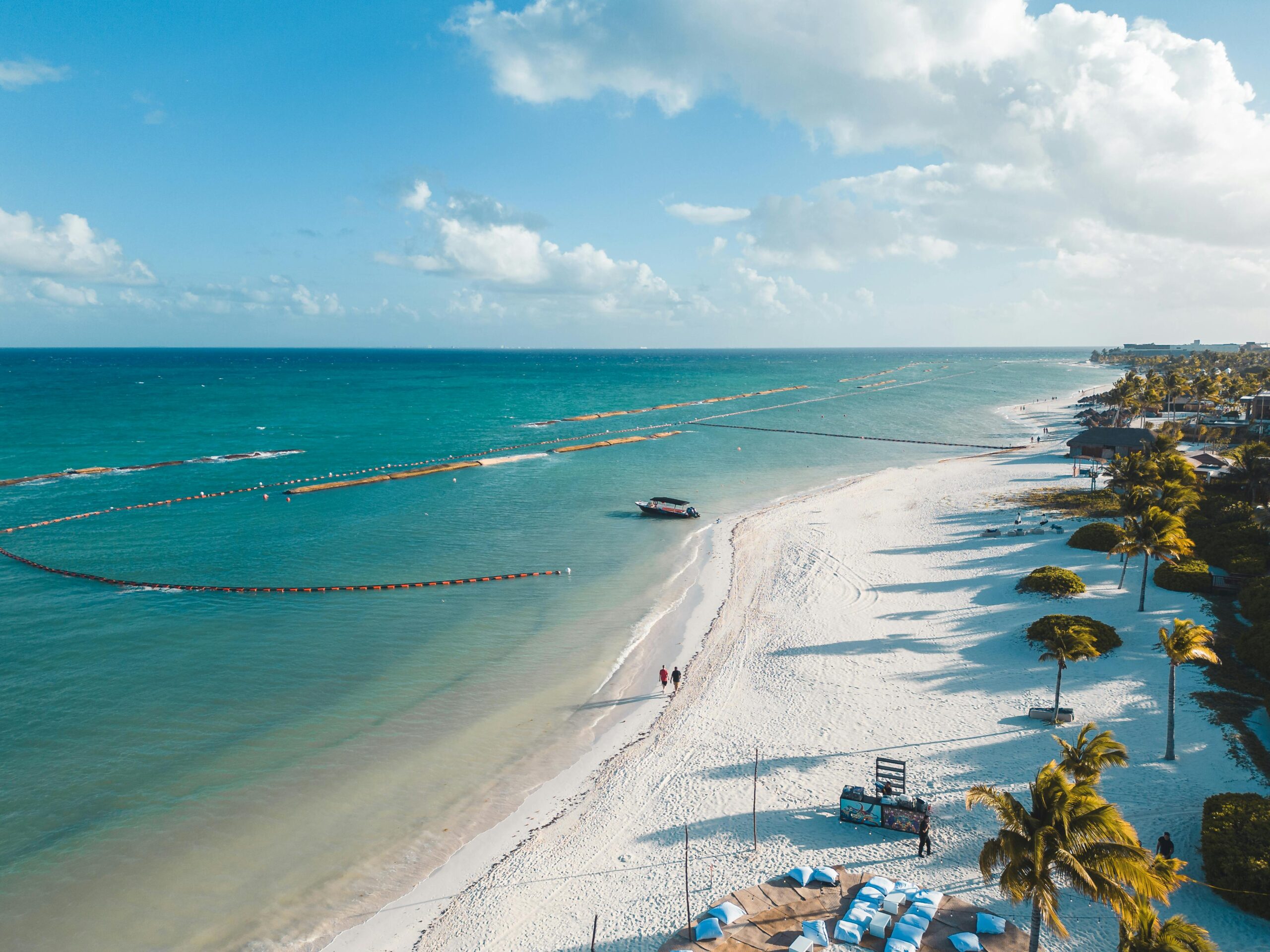
The Spanish word orilla primarily refers to the edge, border, or shore of something, particularly bodies of water. In its most common usage, orilla describes the boundary where land meets water, such as the shore of a lake, the bank of a river, or the coastline of an ocean. This fundamental meaning makes it an essential vocabulary word for describing natural landscapes and geographical features.
Beyond its geographical applications, orilla can also refer to the edge or border of any surface or area. For instance, you might use orilla to describe the edge of a table, the border of a piece of fabric, or the rim of a container. This broader application demonstrates the word’s versatility in Spanish vocabulary.
In certain regional dialects, particularly in Mexico and some Central American countries, orilla can also mean the outskirts or periphery of a city or town. This usage extends the geographical concept to urban planning and city descriptions, making it valuable for discussing locations and giving directions in metropolitan areas.
Etymology and Historical Development
The word orilla derives from the Latin term ora, meaning edge or border, combined with the diminutive suffix -illa. This etymological background helps explain why orilla maintains such strong associations with boundaries and edges across different contexts. The Latin root ora also gave rise to related words in other Romance languages, showing the common heritage of this concept across European linguistic traditions.
Throughout Spanish language evolution, orilla has maintained its core meaning while expanding to accommodate new contexts and regional variations. Historical texts show consistent usage of orilla in geographical descriptions, poetry, and literature, establishing its place as a fundamental vocabulary element that every Spanish learner should master.
The word’s semantic field has grown to include metaphorical uses, where orilla can represent the edge of abstract concepts such as time periods, emotional states, or social situations. This metaphorical expansion demonstrates the rich expressive potential that makes orilla particularly valuable for advanced Spanish communication.
Usage and Example Sentences
Geographical and Physical Contexts
Understanding how to use orilla in geographical contexts forms the foundation for proper application of this word. Here are comprehensive examples that demonstrate its various applications:
Los niños construyeron castillos de arena en la orilla del mar.
The children built sandcastles on the seashore.
El pescador esperó pacientemente en la orilla del río durante toda la mañana.
The fisherman waited patiently on the riverbank all morning long.
Las flores silvestres crecen abundantemente a lo largo de la orilla del lago.
Wild flowers grow abundantly along the lakeshore.
Caminamos por la orilla de la playa mientras el sol se ponía en el horizonte.
We walked along the beach shore while the sun set on the horizon.
La casa estaba situada exactamente en la orilla del acantilado, ofreciendo vistas espectaculares.
The house was situated exactly on the cliff edge, offering spectacular views.
Urban and Social Contexts
In urban environments and social situations, orilla takes on additional meanings that reflect its versatility:
Mi familia vive en la orilla de la ciudad, donde las casas son más económicas.
My family lives on the outskirts of the city, where houses are more affordable.
El mercado se encuentra en la orilla norte del pueblo, cerca de la estación de autobuses.
The market is located on the north edge of the town, near the bus station.
Algunos estudiantes prefieren sentarse en la orilla del aula para evitar distracciones.
Some students prefer to sit at the edge of the classroom to avoid distractions.
La nueva zona residencial se está desarrollando en la orilla occidental de la metrópoli.
The new residential area is being developed on the western outskirts of the metropolis.
Durante la celebración, las personas mayores se reunieron en la orilla de la plaza principal.
During the celebration, elderly people gathered at the edge of the main square.
Synonyms, Antonyms, and Word Usage Differences
Common Synonyms
Spanish offers several words that can substitute for orilla depending on the specific context and regional preferences. Understanding these synonyms helps create more varied and sophisticated Spanish expression while avoiding repetitive vocabulary usage.
The word borde serves as a close synonym for orilla, particularly when referring to the edge of objects or surfaces. However, borde often carries a slightly more formal tone and is commonly used in technical or academic contexts. For example, you might say el borde de la mesa (the edge of the table) rather than la orilla de la mesa, though both are technically correct.
Ribera functions as another important synonym, specifically for riverbanks and lakeshores. This word tends to appear more frequently in literary contexts and formal geographical descriptions. Native speakers often prefer ribera when discussing the ecological or environmental aspects of water bodies, while orilla might be used for more casual, everyday descriptions.
Costa serves as a synonym when discussing oceanfront areas, though it typically refers to larger geographical regions rather than the immediate water’s edge. While orilla might describe where you stand to watch waves, costa would describe the entire coastal region of a country or province.
Margen appears frequently in formal Spanish, particularly in academic or technical writing. This word emphasizes the boundary aspect of orilla and often appears in phrases like al margen de (on the margin of) or en el margen (in the margin).
Antonyms and Contrasting Terms
Understanding antonyms helps clarify the precise meaning of orilla by establishing what it does not represent. The primary antonym for orilla is centro, which refers to the middle or central part of something. This contrast is particularly clear in urban contexts where la orilla de la ciudad (the outskirts of the city) directly opposes el centro de la ciudad (the city center).
Interior serves as another contrasting term, especially in geographical contexts. While orilla suggests proximity to a boundary or edge, interior implies being deep within or far from edges. This distinction becomes important when describing locations relative to coastlines or borders.
Núcleo represents the core or nucleus of something, making it conceptually opposite to orilla. In urban planning discussions, you might contrast el núcleo urbano (the urban core) with la orilla urbana (the urban periphery).
Regional Usage Variations
Spanish-speaking regions demonstrate interesting variations in how orilla is used and what alternative words are preferred. In Mexico, orilla frequently appears in expressions about city outskirts and suburban areas, while in Argentina, the word ribera might be more common for describing waterfront areas.
Caribbean Spanish often employs orilla in beach-related contexts more frequently than other regions, reflecting the geographical importance of coastal areas in island cultures. Meanwhile, Andean countries might use orilla more often to describe mountain edges and highland boundaries.
These regional preferences don’t represent different meanings of orilla, but rather cultural and geographical influences on vocabulary choices. Understanding these patterns helps Spanish learners adapt their usage to different regional contexts while maintaining grammatical correctness.
Pronunciation and Accent
International Phonetic Alphabet (IPA)
The correct pronunciation of orilla is represented in the International Phonetic Alphabet as [oˈɾi.ʎa]. This transcription shows that the word consists of three syllables: o-ri-lla, with the stress falling on the second syllable (ri). The IPA notation helps Spanish learners achieve accurate pronunciation by providing precise sound representations.
The initial vowel sound [o] should be pronounced as a pure, crisp vowel without the diphthong quality that often appears in English. Spanish vowels maintain consistent quality regardless of their position in words, unlike English vowels that can change based on stress patterns.
The double ‘l’ in orilla represents the Spanish ‘ll’ sound [ʎ], though pronunciation varies significantly across different Spanish-speaking regions. In some areas, this sound resembles the ‘y’ in English yellow, while in others it maintains a more distinct palatalized lateral sound.
Stress and Syllable Division
Spanish stress patterns follow predictable rules that help with proper pronunciation of orilla. Since the word ends in a vowel, the stress naturally falls on the penultimate (second-to-last) syllable, which is ri. This makes orilla a palabra llana or paroxítone word in Spanish grammatical terminology.
The syllable division follows Spanish phonetic patterns: o-ri-lla. Each syllable receives equal timing in pronunciation, maintaining the rhythmic quality characteristic of Spanish speech. This equal timing contrasts with English stress-timed rhythm and requires practice for English-speaking learners.
Regional variations in pronunciation don’t typically affect the stress pattern of orilla, making it relatively consistent across different Spanish-speaking countries. However, the quality of individual sounds, particularly the ‘ll’ sound, may vary considerably depending on the geographical region.
Common Pronunciation Mistakes
English speakers learning Spanish often make predictable pronunciation errors with orilla that can be corrected through focused practice. The most common mistake involves pronouncing the double ‘l’ as separate consonants rather than as the unified ‘ll’ sound. This error changes the word’s sound significantly and can interfere with comprehension.
Another frequent error involves applying English vowel reduction patterns to orilla, particularly weakening the final ‘a’ sound. In Spanish, all vowels maintain their full quality regardless of stress, so the final ‘a’ in orilla should be pronounced clearly and distinctly.
Stress placement errors also occur when English speakers apply English stress patterns to Spanish words. Remember that orilla has stress on the ‘ri’ syllable, not on the first or final syllables as might occur in similar English words.
Native Speaker Nuance and Usage Context
Formal versus Informal Usage
Native Spanish speakers demonstrate sophisticated awareness of when orilla fits appropriately into different social and linguistic contexts. In formal situations, such as academic presentations or professional reports, orilla might appear alongside more technical terminology like margen or perímetro, depending on the specific context being discussed.
Informal conversations allow for more flexible usage of orilla, including colloquial expressions and regional idioms that incorporate the word. Family discussions about weekend plans might casually mention meeting a la orilla del parque (at the edge of the park) without requiring precise geographical accuracy.
Professional contexts, such as urban planning or environmental science discussions, typically pair orilla with specific technical qualifiers to ensure precision. For example, la orilla fluvial (riverine shore) or la orilla costera (coastal edge) provide the specificity required in technical communication.
Cultural and Emotional Associations
Spanish speakers often associate orilla with peaceful, contemplative, or romantic settings, particularly when referring to natural water bodies. Poetry and literature frequently employ orilla to evoke feelings of tranquility, reflection, or romantic longing, making it a word with rich emotional resonances beyond its literal meaning.
In contrast, urban uses of orilla might carry different emotional associations. References to living en la orilla de la ciudad could suggest economic marginality or social distance from urban centers, though this isn’t always negative and might simply indicate preference for quieter, less crowded living conditions.
Regional cultures attach various significance to orilla spaces. Coastal communities might view la orilla del mar as fundamental to their identity and livelihood, while mountain communities might focus more on la orilla del pueblo as a transition zone between civilization and wilderness.
Idiomatic Expressions and Phrases
Spanish includes several idiomatic expressions that incorporate orilla, though they may not translate directly into English. Understanding these phrases helps learners achieve more natural, native-like Spanish expression while avoiding literal translations that sound awkward to Spanish speakers.
The expression a la orilla de often means on the verge of or about to experience something, extending the physical edge concept to temporal or emotional boundaries. For example, estar a la orilla de la bancarrota means to be on the verge of bankruptcy, while estar a la orilla de las lágrimas means to be on the verge of tears.
Some regions use orilla in expressions about social or economic positioning. References to people or communities existing en la orilla might suggest marginalization or peripheral status within larger social structures, though context determines whether this carries negative or neutral connotations.
Navigational and directional expressions frequently incorporate orilla to provide location references. Phrases like por la orilla derecha (along the right edge) or siguiendo la orilla (following the shore) appear commonly in directions and location descriptions.
Advanced Usage Patterns
Advanced Spanish speakers demonstrate nuanced understanding of how orilla interacts with different grammatical constructions and semantic contexts. They might use orilla metaphorically to discuss abstract boundaries, such as intellectual or emotional limits, showing sophisticated command of the word’s semantic range.
Literary and academic Spanish often employs orilla in complex prepositional phrases and subordinate clauses that require advanced grammatical knowledge. Understanding these patterns helps Spanish learners progress from intermediate to advanced proficiency levels while developing more sophisticated expressive capabilities.
Native speakers also demonstrate awareness of when orilla creates redundancy or awkwardness in Spanish sentences. They intuitively avoid combinations that sound repetitive or unclear, choosing alternative vocabulary or sentence structures to maintain clarity and elegance in their Spanish communication.
Advanced Grammatical Considerations
Gender and Number Agreement
As a feminine noun, orilla requires feminine agreement with adjectives, articles, and other modifying elements in Spanish sentences. This means using la orilla (not el orilla) and ensuring that descriptive adjectives end in -a when they have gender-specific endings. For example, la orilla rocosa (the rocky shore) uses the feminine form of the adjective.
The plural form orillas follows standard Spanish pluralization rules, adding -s to create the plural. Plural usage requires plural agreement: las orillas pedregosas (the rocky shores) demonstrates proper plural agreement across all sentence elements.
Gender agreement extends to past participles used with orilla in compound tenses. For example, La orilla ha sido erosionada (The shore has been eroded) uses the feminine form erosionada to agree with the feminine noun orilla.
Prepositional Usage
Spanish prepositions combine with orilla in specific ways that Spanish learners must master for natural-sounding expression. The preposition en typically combines with orilla to indicate location: estamos en la orilla (we are on the shore). This differs from English, which might use various prepositions (on, at, by) in similar contexts.
The preposition a appears with orilla in expressions of movement or direction: vamos a la orilla (we’re going to the shore). Understanding the distinction between en (location) and a (direction) proves crucial for proper Spanish usage with orilla.
More complex prepositional phrases involving orilla require advanced understanding of Spanish spatial relationships. Expressions like a lo largo de la orilla (along the shore) or a través de la orilla (across the shore) demand sophisticated prepositional knowledge.
Verb Collocations
Certain verbs combine naturally with orilla in ways that Spanish learners should recognize and practice. The verb caminar (to walk) frequently appears with orilla: caminamos por la orilla del lago (we walked along the lakeshore). These natural combinations help create fluent, native-sounding Spanish.
Verbs related to positioning and location also combine well with orilla. Estar (to be), encontrarse (to be located), and situarse (to be situated) all appear commonly in sentences describing locations relative to shores or edges.
Action verbs that describe activities typically performed near shores or edges create important vocabulary combinations. Verbs like pescar (to fish), nadar (to swim), recoger (to collect), and observar (to observe) frequently appear in contexts involving orilla.
Cultural Context and Regional Applications
Geographic and Environmental Significance
Throughout Spanish-speaking countries, orilla carries particular cultural significance due to the geographical diversity and environmental importance of coastal and riverside areas. In countries like Chile, with its extensive Pacific coastline, la orilla del mar represents not just a geographical feature but a fundamental aspect of national identity and economic activity.
River-based cultures in countries like Colombia, where major rivers like the Magdalena shape regional life, use orilla to describe crucial economic and social spaces. River shores serve as transportation routes, agricultural zones, and community gathering places, making orilla vocabulary essential for discussing daily life in these regions.
Island nations and coastal communities throughout the Caribbean use orilla in contexts that reflect the centrality of water-based activities to their cultures. Fishing, tourism, recreation, and transportation all involve orilla locations, making this vocabulary crucial for understanding Caribbean Spanish expressions and cultural references.
Literary and Artistic Usage
Spanish literature demonstrates rich usage of orilla across various genres and time periods, from classical poetry to contemporary novels. Romantic poetry often employs orilla to create imagery of solitude, reflection, or longing, while environmental literature might use the word to discuss ecological relationships and conservation issues.
Visual arts in Spanish-speaking countries frequently depict orilla scenes, from colonial-era paintings of riverside settlements to contemporary photography of urban peripheries. Understanding orilla vocabulary helps Spanish learners engage more deeply with these cultural expressions and artistic traditions.
Popular music across Spanish-speaking regions incorporates orilla in lyrics that range from folk ballads about rural life to urban songs about city experiences. These musical contexts provide excellent opportunities for Spanish learners to encounter orilla in authentic, culturally meaningful situations.
Economic and Social Implications
In urban sociology and economic discussions, orilla locations often represent areas of economic transition or social change. Suburban development, industrial zones, and informal settlements frequently occupy orilla positions relative to established urban centers, making this vocabulary important for discussing social and economic issues.
Tourism industries throughout Spanish-speaking countries rely heavily on orilla locations, particularly coastal and lakeside areas. Understanding orilla vocabulary helps Spanish learners engage with tourism-related conversations, travel planning, and hospitality industry discussions.
Environmental movements and ecological discussions frequently focus on orilla areas as crucial ecosystems that require protection and careful management. Climate change discussions, conservation efforts, and sustainable development initiatives all involve orilla vocabulary in important ways.
Learning Strategies and Practice Recommendations
Effective Study Techniques
Mastering orilla requires varied practice approaches that engage different learning modalities and contexts. Visual learners benefit from studying maps, photographs, and diagrams that show different types of orilla locations, helping create strong mental associations between the word and its various meanings.
Auditory practice through listening exercises, pronunciation drills, and conversation practice helps develop proper accent and intonation patterns for orilla. Recording yourself using orilla in different sentence contexts and comparing with native speaker models provides valuable feedback for improvement.
Contextual practice through reading Spanish texts that feature orilla in various settings helps develop intuitive understanding of appropriate usage. News articles about coastal development, travel guides describing recreational areas, and environmental reports discussing ecosystem preservation all provide authentic contexts for orilla vocabulary.
Common Learning Challenges
Spanish learners often struggle with distinguishing between orilla and its synonyms, particularly in contexts where multiple words could theoretically be used. Creating comparison exercises that highlight subtle differences between orilla, borde, ribera, and costa helps develop more precise vocabulary usage.
Pronunciation challenges with the ‘ll’ sound in orilla require focused practice and awareness of regional variations. Working with native speakers from different regions helps develop flexibility in both producing and understanding various pronunciations of orilla.
Grammatical agreement with orilla sometimes proves challenging for learners whose native languages don’t require gender agreement. Systematic practice with adjective and article agreement helps develop automatic correct usage patterns.
Integration with Other Vocabulary
Building vocabulary networks around orilla helps create stronger memory connections and more sophisticated expression capabilities. Words related to water bodies (río, lago, mar, océano), geographical features (montaña, valle, llanura), and urban planning (ciudad, pueblo, barrio, suburbio) all connect meaningfully with orilla usage.
Developing themed vocabulary sets that include orilla helps create practical usage contexts. Environmental vocabulary, recreational activity words, and directional expressions all complement orilla knowledge while providing opportunities for integrated practice.
Advanced learners benefit from exploring etymological connections between orilla and related words in Spanish and other Romance languages. These connections help develop deeper understanding of Spanish vocabulary patterns while providing memory aids for retention.
Conclusion
Mastering the Spanish word orilla opens doors to more sophisticated and nuanced communication across a wide range of contexts, from casual conversations about weekend activities to formal discussions about urban planning and environmental conservation. This comprehensive exploration has revealed how orilla functions not merely as a simple translation for edge or shore, but as a versatile vocabulary element that carries cultural, geographical, and social significance throughout the Spanish-speaking world.
The journey from basic comprehension to advanced usage of orilla reflects the broader process of Spanish language acquisition, where learners must develop sensitivity to context, cultural associations, and regional variations. By understanding the pronunciation patterns, grammatical requirements, synonym relationships, and cultural applications of orilla, Spanish learners position themselves for more authentic and effective communication with native speakers across diverse situations and geographical regions.
Continued practice with orilla in varied contexts, combined with awareness of its rich semantic range and cultural significance, will enhance your overall Spanish proficiency while providing a solid foundation for exploring related vocabulary and more complex linguistic structures. Remember that language learning is itself a journey along the orilla of cultural understanding, where each new word opens pathways to deeper appreciation of the rich diversity and expressive power of the Spanish language.