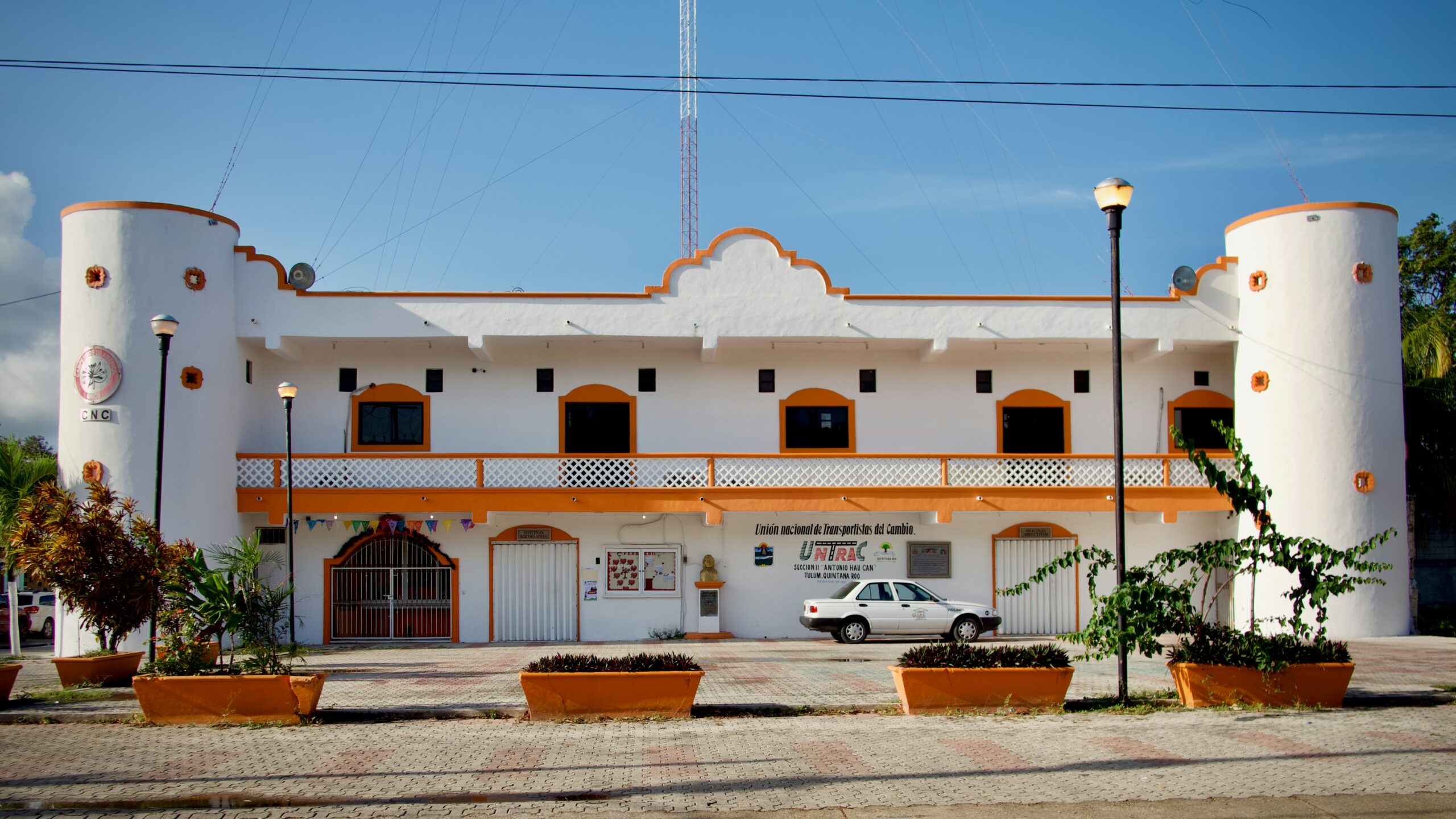
Introduction
The Spanish word ribete is a small but useful word that appears in many everyday contexts, from clothing and decoration to expressions that describe details or small additions. For English-speaking learners, ribete is a practical vocabulary item because it helps describe edges, trims, and finishing touches—things that are common in conversation about fashion, crafts, home decoration, and even food presentation. Learning how to use ribete correctly will make your Spanish sound more natural and precise when you describe details. This article explains the meaning, pronunciation, usage, synonyms and antonyms, and provides clear examples so you can start using ribete right away.
Meaning and Definition
The basic meaning of ribete is trim, edging, or border. It refers to a small decorative or protective strip placed along the edge of an item. For example, the edge of a curtain, the border of a pillow, or the trim on a jacket can all be called a ribete. The word emphasizes a detail that frames or finishes an object.
In a broader, more figurative sense, ribete can mean a small addition that enhances something or gives it a final touch. Depending on context, it can be physical, like fabric or thread, or conceptual, like a finishing detail in a story or plan.
Etymology: Ribete comes from the Old French ribet or from Romance roots related to border and edge words. Over time it entered Spanish with the same idea of a bordering or wrapping detail. Knowing this origin helps remember that the word relates to edges and finishing lines.
Usage and Example Sentences
Below are practical example sentences using ribete in different contexts, with clear English translations. These examples show both literal and figurative uses.
Spanish: El mantel tiene un ribete rojo que combina con las servilletas.
English: The tablecloth has a red trim that matches the napkins.
Spanish: La chaqueta nueva lleva un ribete de cuero en los bolsillos.
English: The new jacket has a leather trim on the pockets.
Spanish: Decoramos las cortinas con un ribete dorado para la fiesta.
English: We decorated the curtains with a gold edging for the party.
Spanish: Le dieron un ribete de humor a la presentación para hacerla más ligera.
English: They added a touch of humor to the presentation to make it lighter.
Spanish: El libro incluye un ribete en la portada con letras en relieve.
English: The book includes a trim on the cover with embossed letters.
Spanish: La falda luce un ribete de encaje en la parte inferior.
English: The skirt shows a lace trim at the bottom.
Spanish: El marco del espejo tiene un pequeño ribete tallado en madera.
English: The mirror frame has a small carved wooden border.
Spanish: Para el regalo, añadí un ribete de cinta alrededor de la caja.
English: For the gift, I added a ribbon trim around the box.
Spanish: En la receta, la presentación llevaba un ribete de hierbas frescas.
English: In the recipe, the presentation had a garnish of fresh herbs.
Synonyms, Antonyms, and Word Usage Differences
Common synonyms for ribete include borde, bordeado, filo, or adorno. Each synonym has a slightly different nuance:
– borde: A neutral word meaning edge or border. Use borde when you mean the outer limit of something rather than a decorative strip.
– bordeado: Means bordered or edged; emphasizes that something has a border around it.
– filo: Refers mainly to an edge in the sense of a cutting edge or thin edge; not usually decorative.
– adorno: Means ornament or decoration; broader and often more decorative than a simple ribete.
How to choose: Use ribete when you want to emphasize a decorative or finishing strip along an edge. Use borde when you describe the simple edge or limit of an object. Use filo if you mean a sharp or thin edge. Use adorno if the emphasis is on decoration rather than the edge itself.
Antonyms: A direct opposite of ribete is harder to name because ribete is a detail rather than a state. But you can contrast it with words like liso or sin adorno to indicate something plain or undecorated. For example, una chaqueta sin ribete or una mesa lisa suggests no trim or ornamentation.
Pronunciation and Accent
Pronunciation: Ribete is pronounced approximately as ree-BEH-teh in English-friendly spelling. In IPA notation, the pronunciation is /riˈβete/ in most Spanish dialects.
Breakdown: The stress falls on the second syllable be, so say ri-BE-te with emphasis on BE. The r at the beginning is a single tap or lightly rolled depending on dialect, and the b sound is a voiced bilabial approximant [β] in many Spanish varieties when it is between vowels; this sounds softer than the English b.
Accent marks: Ribete does not carry a written accent because the stress follows regular Spanish rules for words ending in a vowel: the stress naturally falls on the penultimate syllable. Learners sometimes accidentally stress the first syllable (RI-bete) or the last (ri-be-TE), but the correct stress is on the second syllable.
Common pronunciation mistakes: English speakers sometimes over-pronounce the b as a hard b sound or misplace the stress. Practicing with native audio or repeating the IPA can help. Also be careful not to add an extra vowel sound at the beginning; just a single r sound is enough.
Native Speaker Nuance and Usage Context
Native speakers use ribete in a variety of everyday contexts. The most common contexts are clothing, textiles, furniture, and crafts. For example, someone shopping for clothes might comment on the ribete of a jacket because the trim changes the style. In home decor, people mention the ribete of curtains, cushions, or table linens when describing a coordinated room design.
Figurative use: Native speakers also use ribete figuratively to mean a small additional element that gives something character. For example, adding a surprising detail to a story, a slight decorative touch to a dish, or a clever ending to a plan might be described as adding a ribete. In these cases, the word highlights that the addition is modest but noticeable.
Formality: Ribete is neutral in tone and can be used in both formal and informal contexts. It is perfectly acceptable in a conversation with friends or in a description for a product listing. In technical sewing or tailoring contexts, more specific terms might be used, but ribete remains common and understood.
Regional differences: The word is widely understood across Spanish-speaking countries. In some regions, alternative local words might appear, but ribete is standard enough that learners will be understood almost everywhere. Sellers, tailors, and interior decorators are especially likely to use it.
Examples of conversational use: When complimenting a garment, a native speaker might say Me encanta el ribete de tu chaqueta to point out a detail that caught their eye. In a shop, a customer might ask ¿Tiene ribete en otro color? meaning do you have that trim in another color. These everyday uses show how practical the word is.
Conclusion
To summarize, ribete is a versatile Spanish word that refers to trim, edging, or a small decorative addition. It is useful for describing clothing, home decor, crafts, and even small figurative touches in conversation. Pronounced /riˈβete/ with stress on the second syllable, the word is easy to use and appears in both formal and informal speech. Knowing synonyms like borde, filo, and adorno helps you choose the right word depending on whether you mean a simple edge, a sharp border, or a decorative ornament. Practice using ribete in short sentences about things you see every day—like curtains, jackets, or gifts—to become comfortable with its meaning and pronunciation. Adding this small but precise word to your vocabulary will help you describe details more accurately and sound more natural in Spanish.