Introduction
Learning vocabulary that connects to culture and everyday objects makes Spanish more interesting and useful. One such word is platería. This word appears often in conversations about crafts, shopping, and heritage. Knowing platería helps learners talk about silver objects, jewelry, artisan work, and even shops that sell these items. Because it ties language to visual and cultural ideas, platería is a great vocabulary word for learners who want to describe things they see in markets, museums, or family heirlooms. In this article you will find a clear definition, example sentences, pronunciation tips, related words, and notes about how native speakers use platería in different contexts.
Meaning and Definition
The basic meaning of platería is silverware, silver craftsmanship, or the trade and objects made of silver. It can refer to the material (silver), the objects made from it (like cups, plates, and jewelry), and the craft or business of making or selling those items. In English, platería often translates as silverware, silversmithing, or silver shop depending on the context.
Common nuance: When people say platería, they usually mean handcrafted or high-quality silver objects rather than cheap metallic items. The word carries a sense of craftsmanship, tradition, and often value.
Etymology: Platería comes from the Spanish word plata, which means silver. Plata itself comes from the Latin or Vulgar Latin roots related to silver and possibly from older Mediterranean languages. The suffix -ería is used in Spanish to form nouns that indicate a craft, trade, or place of business, such as panadería (bakery) or librería (bookstore). So platería literally means the trade or place of silver.
Usage and Example Sentences
Spanish: Compré un juego de cubiertos de platería para la cena especial.
English: I bought a set of silverware for the special dinner.
Spanish: La platería del pueblo es famosa por sus collares y pulseras hechas a mano.
English: The town’s silversmiths are famous for their handmade necklaces and bracelets.
Spanish: Este museo tiene una colección de platería colonial muy valiosa.
English: This museum has a very valuable collection of colonial silverware.
Spanish: Llevó la cuchara a la platería para que la pulieran.
English: She took the spoon to the silver shop to have it polished.
Spanish: Mi abuela guardaba la platería en una caja especial para las fiestas.
English: My grandmother kept the silverware in a special box for celebrations.
Spanish: El artista trabaja la platería con técnicas tradicionales y contemporáneas.
English: The artist works silver using traditional and contemporary techniques.
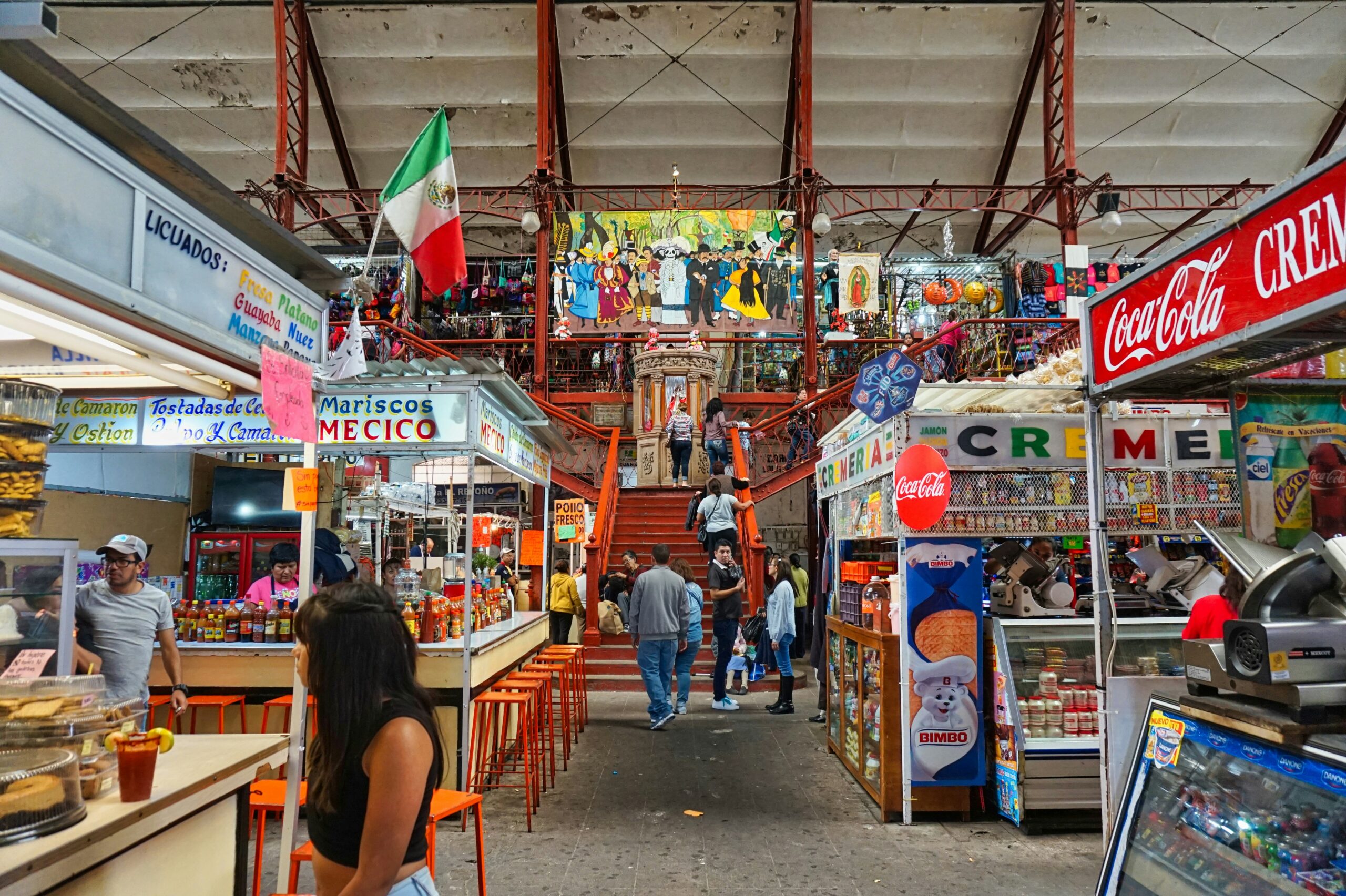
Spanish: En el mercado venden piezas de platería hechas por artesanos locales.
English: At the market they sell silver pieces made by local artisans.
Spanish: La tienda anuncia una reparación de platería y grabados personalizados.
English: The shop advertises silver repair and personalized engravings.
Spanish: Me encanta la variedad de la platería en esa exposición: platos, jarras y medallones.
English: I love the variety of silverware in that exhibit: plates, jugs, and medallions.
Synonyms, Antonyms, and Word Usage Differences
Related words and synonyms:
– plata: the metal silver; general term for the element and the color or material.
– plata fina / plata 925: terms indicating silver purity, commonly used for jewelry (sterling silver is often called plata 925).
– joyería: jewelry or the jewelry trade; similar when platería refers to decorative items like necklaces, but joyería can include other metals and gems.
– orfebrería: goldsmithing or the art of working precious metals; often used for more artistic or high-end metalwork and can overlap with platería when referring to crafted silver pieces.
Antonyms or contrasting words:
– baratija: trinket or cheap piece of jewelry; a low-value contrast to high-quality platería.
– plástico / imitación: materials that imitate silver but are not genuine; these are opposites in terms of material authenticity.
How to choose words:
– Use platería when you mean silver objects, silver craftsmanship, or a shop/trade focused on silver.
– Use joyería when talking specifically about jewelry stores or fine jewelry that may include gold, gemstones, and not just silver.
– Use orfebrería to emphasize artistic metalwork and master craftsmanship, sometimes more formal or high-end than typical platería.
Pronunciation and Accent
Pronunciation guidance: platería is pronounced pla-te-RÍ-a. The stress is on the third-to-last syllable if the accent were regular, but because of the written accent mark on the í, the stressed syllable is RÍ: pla-te-RÍ-a.
IPA notation: /pla.teˈɾi.a/
Breakdown:
– pla as in the English word plan without the n.
– te pronounced like the English te in ten.
– rí pronounced like ree but with a tapped Spanish r.
– a a short vowel like the a in car but shorter in some dialects.
Accent marks and stress: The written accent on the í in platería shows that the stress falls on that syllable. Spanish learners sometimes forget accent marks, which can change both pronunciation and, rarely, meaning. For platería, the accent is essential to indicate correct stress.
Common pronunciation mistakes:
– Stress on the wrong syllable, such as PLA-te-ria or pla-TE-ria, which sounds unnatural to native speakers.
– Pronouncing the r as an English r instead of a tapped or trilled Spanish r. In platería the r is tapped (single flap) between vowels: /ɾ/.
– Reducing the final a too much; all vowels in Spanish are pronounced clearly, so do not drop the final a.
Native Speaker Nuance and Usage Context
Everyday use: Native speakers use platería when talking about silver items used for daily or special occasions, such as cutlery, trays, cups, and jewelry. In households that keep formal dining pieces, you might hear references to la platería for holiday meals.
Shops and businesses: A shop that sells silverware or repairs silver items might be called a platería. In many Spanish-speaking towns, especially those with artisanal traditions, a platería is a place where artisans create and sell handcrafted silver goods.
Art and heritage: Museums and cultural descriptions often use platería to describe collections of silver from historical periods. In this context the word implies value, history, and craftsmanship.
Formal vs informal contexts: In casual conversation you might hear alguien tiene buena platería to praise nice silver pieces, or llevar la platería to mean taking silver items to a shop for care. In more formal writing, such as museum texts or academic descriptions, platería can be used to talk about styles, techniques, and periods of silverwork.
Regional differences: While platería is widely understood across Spanish-speaking countries, certain regions may prefer terms like orfebrería when speaking about high-art metalwork, or joyería when the emphasis is on decorated jewelry with gems. In some areas, platería might be used more in markets and tourism contexts to describe locally made silver souvenirs.
Conclusion
In short, platería is a useful word for learners who want to describe silver objects, shops, or the craft of silversmithing. It connects language to culture, history, and everyday life through items that many people encounter at home, in markets, or in museums. Pronounce it as pla-te-RÍ-a with the stress on the í, and remember the IPA /pla.teˈɾi.a/ if you study phonetics. Use platería when you mean real silver pieces or the work and trade around them, and choose related words like joyería or orfebrería when you need to be more specific about jewelry or high-art metalwork. Practicing example sentences and listening to native speakers will help you use platería naturally and confidently in conversation.

