Introduction
merendero is a useful Spanish word that many Spanish learners will encounter when talking about food, outdoor activities, and simple get-togethers. It refers to a place or event connected to eating a light meal, usually in a relaxed, informal setting. Knowing merendero helps learners understand invitations, travel information, and descriptions of parks or countryside outings. Because it appears in everyday conversation, signs, and travel guides across Spanish-speaking countries, learning this word improves listening and reading comprehension. This article explains the meaning, pronunciation, typical contexts, and example sentences so that English-speaking learners can use merendero confidently and naturally.
Meaning and Definition
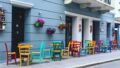
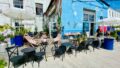
The basic meaning of merendero is a place where people have a merienda. A merienda is a light meal or snack eaten in the late afternoon or sometimes mid-afternoon. So a merendero can be a picnic spot, a small outdoor restaurant, a public area with tables for snacking, or a simple shelter near a park where families bring food.
Common nuance: merendero usually suggests an informal, relaxed environment. It is not a formal dining room or a full-service restaurant. Instead, it evokes images of friends and family gathering outdoors with sandwiches, fruit, pastries, or snacks.
Etymology: The word comes from the Spanish noun merienda (snack or light meal). Adding the -ero ending creates a place related to merendar (to have a snack). So merendero literally connects to merendar, the activity of eating a merienda.
Usage and Example Sentences
Spanish: Vamos al merendero junto al lago esta tarde.
English: Let’s go to the picnic area by the lake this afternoon.
Spanish: El merendero del parque tiene mesas y parrillas para cocinar.
English: The park’s picnic area has tables and grills for cooking.
Spanish: Llevamos bocadillos y jugos y comimos en el merendero.
English: We brought sandwiches and juices and ate at the picnic spot.
Spanish: En el pueblo hay un merendero donde preparan tortilla y empanadas los domingos.
English: In the village there is a small snack bar where they prepare tortilla and empanadas on Sundays.
Spanish: Los niños celebraron su cumpleaños en el merendero del colegio.
English: The children celebrated their birthday in the school’s picnic area.
Spanish: Buscamos un merendero con sombra porque hacía mucho sol.
English: We looked for a shady picnic spot because it was very sunny.
Spanish: El merendero municipal está abierto desde las diez hasta las seis.
English: The municipal picnic area is open from ten until six.
Spanish: Prefiero un merendero tranquilo lejos del ruido del coche.
English: I prefer a quiet picnic spot away from traffic noise.
Spanish: En la reserva natural hay varios merenderos señalizados para los visitantes.
English: In the nature reserve there are several marked picnic areas for visitors.
Synonyms, Antonyms, and Word Usage Differences
Synonyms: merienda (the snack itself), área de picnic (picnic area), zona de picnic (picnic zone), kiosco or quiosco (small kiosk or snack stand, depending on country). These words are related but not identical. For example, merienda refers to the food or meal, while merendero refers to the place.
Antonyms: restaurante (restaurant) and comedor (dining room) are more formal eating places and usually provide full meals and service. A merendero is more informal, often self-service or simple service.
Usage differences: Use merendero when you mean a casual outdoor or semi-outdoor spot for snacks or light meals. Choose área de picnic when talking about a public park-like facility; quiosco or kiosco works if you mean a small stand selling snacks. If you want to emphasize the meal itself, use merienda.
Regional variations: In some Spanish-speaking countries, people might prefer área de picnic or zona de picnic over merendero, especially in urban parks. In rural or traditional contexts, merendero is common and evokes rustic gatherings. When traveling, listen for local terms and ask locals if you are unsure which word they use for picnic spots or snack bars.
Pronunciation and Accent
Pronunciation: merendero is pronounced as me-ren-DE-ro. The stress falls on the third-to-last syllable, which is typical for many Spanish words ending in a vowel or -o without an accent mark.
IPA notation: /me.renˈde.ɾo/
Breakdown: me (me) – ren (REN) – de (DE) – ro (ro). Emphasize the REN and DE syllables slightly, with the primary stress on de: me-ren-DE-ro.
Common mistakes: English speakers sometimes misplace the stress or add an extra vowel sound at the end. Avoid pronouncing the word as me-ren-DEE-ro or me-ren-der-oh with an unnatural diphthong. Also watch the Spanish r sounds: the single r in the middle is a tapped r (like a quick d) and the d is softer than in English.
Tips: Practice slowly, syllable by syllable: me-ren-de-ro. Then speed up to a natural pace. Listen to native speakers saying merendero in context to copy rhythm and stress.
Native Speaker Nuance and Usage Context
Everyday use: Native speakers use merendero when describing simple outings, family weekends, or facilities in parks and rural areas. It often appears in invitations, municipal guides, and travel descriptions: Vamos al merendero, ¿te apuntas? It has a friendly, informal tone.
Formal vs informal: merendero is informal by nature. You would not use it to describe a formal restaurant or a business lunch. For official documents about park facilities, you might see área de picnic or zona recreativa, but in conversation merendero is perfectly natural.
Age and regional differences: Older speakers and people in smaller towns may use merendero more frequently than young urban speakers, who might say área de picnic or just picnic. In many regions, especially Spain and parts of Latin America, the term is common in rural tourism and local event descriptions.
Associated activities: Typical activities at a merendero include playing outdoor games, grilling, eating merienda foods (bread, cheese, cold cuts, sweets), and socializing. It often implies bringing your own food, though some merenderos have simple snack bars or kiosks that sell refreshments.
Signs and travel tips: When traveling, look for signs that say merendero or área de picnic in parks and nature reserves. If you plan to visit on a weekend, expect popular merenderos to be crowded and bring water, utensils, and a trash bag for cleanup, as not all sites provide full services.
Conclusion
Learning the word merendero gives English-speaking Spanish learners a practical term to describe picnic spots, informal snack areas, and casual outdoor gatherings. The word connects directly to merienda, which is the small meal or snack eaten in the afternoon, and its meaning is easy to remember once you link it with the activity of merendar. Pronunciation is straightforward: me-ren-DE-ro, with the stress on the DE syllable. Use merendero in everyday conversation to talk about family outings, park facilities, and informal eating places, but choose área de picnic or restaurante for different or more formal contexts. Practice the example sentences and listen for the word when you travel or read local guides to reinforce your understanding and feel confident using it in real situations.