Introduction
The word pintoresco is a useful adjective that Spanish learners will often encounter when talking about places, scenes, or even people and situations that are charming or visually interesting. It comes up in travel descriptions, guidebooks, conversations about neighborhoods, and casual remarks about a quaint street or a colorful market. Learning pintoresco helps English speakers expand beyond simple words like pretty or beautiful and gives a more precise way to describe character, charm, and visual appeal. In this article you will find a clear definition, pronunciation tips, example sentences, and notes on similar words so you can use pintoresco naturally in both written and spoken Spanish.
Meaning and Definition
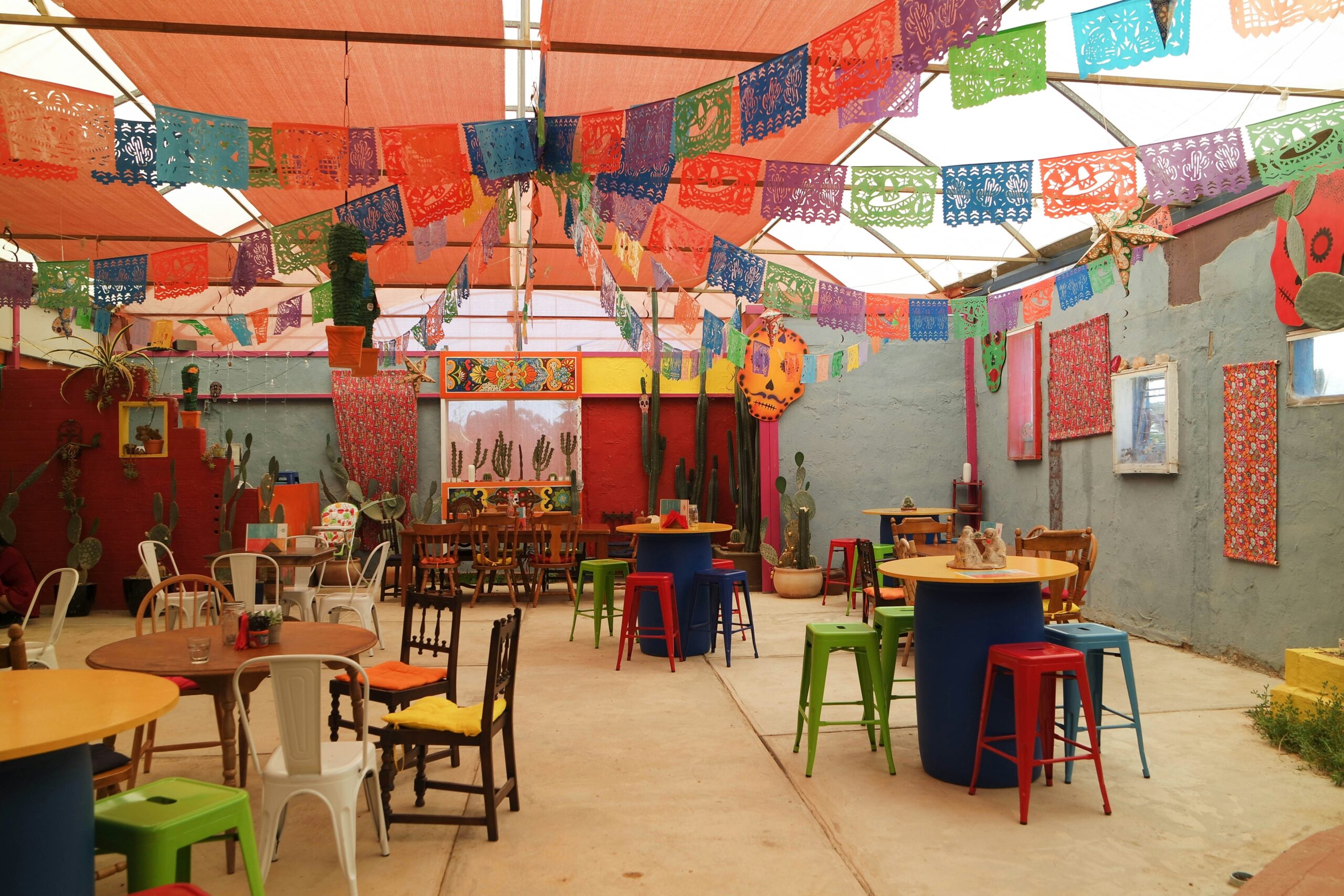
pintoresco generally means picturesque, charming, or visually attractive in a way that evokes a painting or an idealized scene. It implies more than plain beauty: something pintoresco often has character, color, or quaint details that make it interesting to look at. The word is an adjective and agrees in gender and number with the noun it modifies: pintoresco, pintoresca, pintorescos, pintorescas.
Etymology: pintoresco comes from the Spanish verb pintar (to paint) and the suffix -esco, which creates adjectives meaning related to or characteristic of. So originally it referred to something suitable for painting, and by extension something visually striking or charming.
Usage and Example Sentences
Spanish: Este pueblo costero es muy pintoresco.
English: This coastal village is very picturesque.
Spanish: Caminamos por las calles pintorescas del casco antiguo.
English: We walked through the picturesque streets of the old town.
Spanish: Tiene una casa pintoresca con balcones de madera y flores.
English: He/she has a picturesque house with wooden balconies and flowers.
Spanish: El mercado local es pintoresco, lleno de colores y sonidos.
English: The local market is picturesque, full of colors and sounds.
Spanish: Fotografiar ese barrio fue fácil porque todo era tan pintoresco.
English: Photographing that neighborhood was easy because everything was so picturesque.
Spanish: La aldea pintoresca atrae a muchos turistas cada verano.
English: The picturesque village attracts many tourists every summer.
Spanish: Pintoresca no siempre significa moderna; a veces significa antigua y con encanto.
English: Pintoresque does not always mean modern; sometimes it means old and charming.
Synonyms, Antonyms, and Word Usage Differences
Related Spanish words include bonito, hermoso, atractivo, encantador, and pintoresco. While all these can describe something pleasing, each word has a slightly different nuance. Bonito and hermoso focus on general beauty. Atractivo highlights appeal, often including non-visual aspects. Encantador stresses charm and likeability. pintoresco specifically suggests visual character, quaintness, and a scene worthy of being painted or photographed.
Antonyms include feo and desagradable for plain opposites, and moderno or anodino for contrasts in character: moderno describes contemporary style rather than quaint charm, and anodino suggests something bland or unremarkable. When choosing a word, think about whether you want to emphasize charm and visual detail (pintoresco), general beauty (bonito/hermoso), or a personal appeal (encantador).
Examples of differences:
– If a neighborhood is colorful and seems like a painting, use pintoresco.
– If a sunset is beautiful but not necessarily quaint, use hermoso.
– If a person has a charming personality, use encantador.
Pronunciation and Accent
Pronunciation: /pin-to-RES-ko/ in simple syllable breakdown. IPA: /pin.toˈɾes.ko/. The stress falls on the penultimate syllable -res- because the word ends in a vowel and does not have a written accent. Remember to use the tapped r sound for the single r in the middle of the word, as in /ɾ/.
Tips:
– Break the word into syllables: pin-to-res-co.
– Pronounce the initial i as a short vowel like the i in the English word sit.
– The letter r between vowels is a single tap, not the rolled r. The consonant combination es is pronounced like the English es in yes.
– Common mistake: English speakers sometimes place stress on the first syllable pin- or say a rolled r; practice the penultimate stress and the single tap r.
Native Speaker Nuance and Usage Context
Native speakers often use pintoresco to talk about travel destinations, neighborhoods, markets, and places with traditional architecture or colorful scenes. It can be used in both formal and informal contexts, but it frequently appears in everyday conversation, travel writing, and tourism materials. For example, a friend might recommend visiting a pintoresco barrio, or a tour guide might describe a pintoresco mirador.
Context and tone: pintoresco can be purely positive, implying charm and attractiveness. However, in some contexts it can also carry a gently ironic or slightly condescending tone if a speaker means that a place is quaint but outdated or overly touristy. For example, saying that a village is pintoresco may simply praise its charm, but depending on intonation and context it might suggest that the place is preserved for tourists rather than being a living community.
Collocations and common phrases: calles pintorescas, pueblo pintoresco, barrio pintoresco, paisaje pintoresco. You will see these combinations in guidebooks and social media. When describing people, pintoresco can describe an eccentric or visually distinctive character, though encantador or simpático would be more common for warm personality traits.
Conclusion
To summarize, pintoresco is a valuable adjective for Spanish learners who want to describe scenes, places, and sometimes people with charm, visual character, or quaint beauty. It comes from pintar, linking it to images and painting, and its nuance points to a scene that looks like a picture or painting. Pronunciation is straightforward once you know the syllable stress and the tapped r: /pin.toˈɾes.ko/. Use pintoresco when you want to highlight charm and visual detail, and pair it with words like calles, pueblo, or paisaje. Paying attention to context will help you avoid sounding ironic when you mean to praise a place. Practice with the example sentences and try describing places you know in Spanish using pintoresco to make the word part of your everyday vocabulary.