Introduction
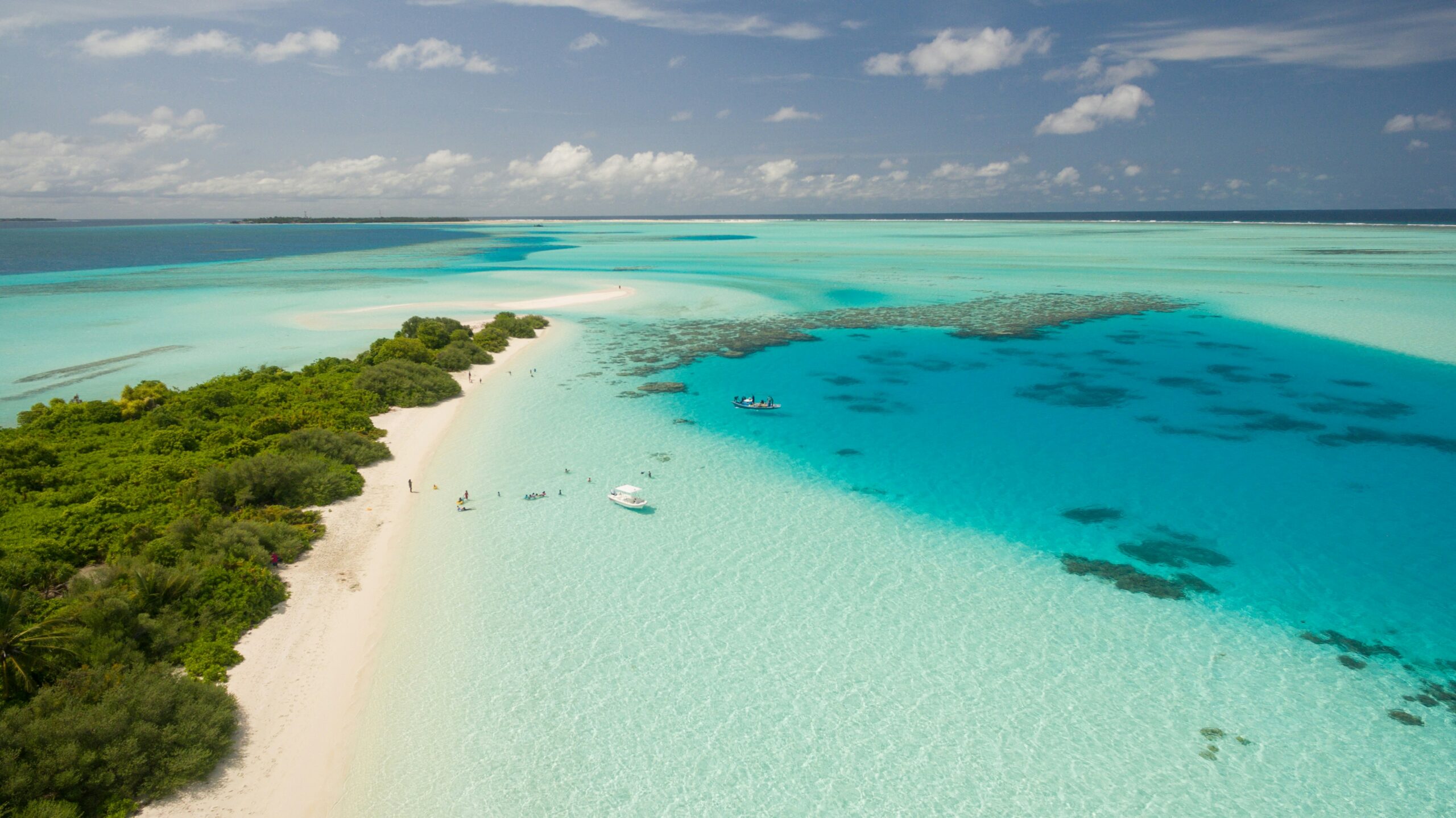
The word balneario is a useful and friendly vocabulary item for English-speaking students learning Spanish. It refers to places associated with water, relaxation, and health, often conjuring images of beaches, seaside resorts, or spa towns. Knowing this word helps learners talk about travel, vacations, wellness, and local geography in Spanish-speaking countries. Because many Spanish-speaking regions have famous coastal resorts and thermal spa towns, balneario appears in brochures, travel guides, and everyday conversations. In this article, you will learn the basic meaning, real-life usage, pronunciation, and related vocabulary so you can recognize and use balneario naturally when planning trips or describing leisure activities.
Meaning and Definition
Balneario is a masculine noun in Spanish that generally means a spa, seaside resort, or bathing resort. The term comes from the Latin balnearium, which itself comes from balneum, meaning bath. In Spanish, balneario can refer to several related ideas: a place for therapeutic baths or hot springs, a resort town by the sea with hotels and beaches, or a facility where people go for wellness treatments. The common nuance is relaxation and health connected to water. While some places called balneario emphasize medical or therapeutic baths, others are simply vacation spots with beaches and tourist services.
Usage and Example Sentences
Spanish: Vamos al balneario este fin de semana para descansar
English: We are going to the seaside resort this weekend to relax
Spanish: El balneario del pueblo tiene aguas termales reconocidas
English: The town’s spa has well-known thermal waters
Spanish: Muchos turistas prefieren los balnearios con playas tranquilas y servicios familiares
English: Many tourists prefer resorts with calm beaches and family-friendly services
Spanish: El hotel frente al balneario ofrece paquetes de masaje y circuito de aguas
English: The hotel in front of the spa offers massage packages and a water circuit
Spanish: Durante la temporada alta, el balneario se llena de actividades culturales y conciertos
English: During high season, the resort fills with cultural activities and concerts
Spanish: Mis abuelos van al balneario para recibir tratamientos de rehabilitación
English: My grandparents go to the spa to receive rehabilitation treatments
Spanish: En este país, muchos balnearios han crecido alrededor de fuentes termales naturales
English: In this country, many spas have grown around natural thermal springs
Spanish: Prefiero un balneario tranquilo, no uno con fiestas hasta la madrugada
English: I prefer a quiet resort, not one with parties until dawn
Synonyms, Antonyms, and Word Usage Differences
Related words include spa, resort, playa, y termas. Spa is often used in English and also appears in Spanish as spa, especially for modern wellness centers. Resort in Spanish is resort or complejo turístico, which emphasizes lodging and tourist services more than bathing or health treatments. Playa means beach and highlights the geographical feature rather than services or therapeutic aspects. Termas specifically refers to hot springs and is used when thermal waters and health treatments are the main attraction.
Antonyms would be words that indicate a non-leisure setting, such as ciudad industrial or zona urbana, which emphasize work or urban life instead of relaxation. When choosing among these words, think about the focus: use balneario when water-based relaxation, health, or resort activities are central. Use playa when you are talking only about the beach itself. Use termas when thermal baths or mineral waters are the defining feature. Use complejo turístico or resort when the emphasis is on lodging, amenities, and tourism infrastructure rather than baths specifically.
Pronunciation and Accent
Pronunciation: balneario
IPA: /balˈneaɾjo/ or /balneˈaɾjo/ depending on regional accents. The stress falls on the syllable containing the vowel sequence nea or a, usually pronounced bal-NEA-rio.
Breakdown: bal – nea – rio. In many dialects the combination ne + a may be pronounced quickly so it sounds like two syllables merging, but each vowel still belongs to its own syllable. The letter n is pronounced as in the English n. The r in -rio is a single tap in most cases, similar to the t in American English water when pronounced quickly, but in some regions it may sound slightly stronger.
Common mistakes: learners sometimes place stress on the first syllable, saying BAL-ne-a-rio, or they confuse the sequence and pronounce a consonant where there is a vowel break. Another common mistake is pronouncing the r as an English r with a strong retroflex quality; try to use a tapped or slightly trilled r depending on context. Practice saying bal-NEA-rio slowly, then speed up while keeping the natural stress.
Native Speaker Nuance and Usage Context
Native speakers use balneario in a few distinct contexts. In coastal areas, balneario often simply means the resort area or the main beach where tourists go. Locals might say vamos al balneario to mean they are heading to the beach strip with hotels, restaurants, and entertainment. In regions with mineral or hot springs, balneario can have a more formal or medical nuance, referring to a spa facility that offers therapeutic treatments, physiotherapy, and wellness programs. In that sense, people might visit a balneario on a doctor’s recommendation for health reasons.
Formality: The word fits both formal and informal situations. You can read it in brochures, travel websites, or medical documents, and you can also hear it in casual speech. In casual conversations, people may shorten or combine it with local names, for example saying el balneario de San Pedro to refer to the particular resort area.
Regional differences: In Spain and many Latin American countries, the exact image of a balneario can vary. In some places it is mainly a tourist beach area with umbrellas and lifeguards. In others it points to historic spa towns with thermal baths. When traveling, context clues like accompanying words (termas, playa, hotel, tratamientos) will tell you which meaning is intended.
Common collocations: visitar un balneario, centro balneario, balneario costero, balneario termal, paquete de balneario. These combinations help specify whether the focus is tourism, coast, or health.
Conclusion
In summary, balneario is a versatile Spanish word that covers seaside resorts, spas, and bathing towns where water, relaxation, and health treatments are central. Its Latin roots connect it to baths and therapeutic water use, and the word appears across travel, health, and everyday speech in Spanish-speaking countries. Pronunciation centers on the stressed syllable nea or a and the smooth transition between vowels; practicing the IPA /balˈneaɾjo/ will help you sound natural. Knowing related words like playa, termas, and complejo turístico helps you choose the right term in different situations. Learning balneario gives you vocabulary that is useful for talking about vacations, wellness, and local geography, making it a practical addition to any Spanish learner’s toolkit.