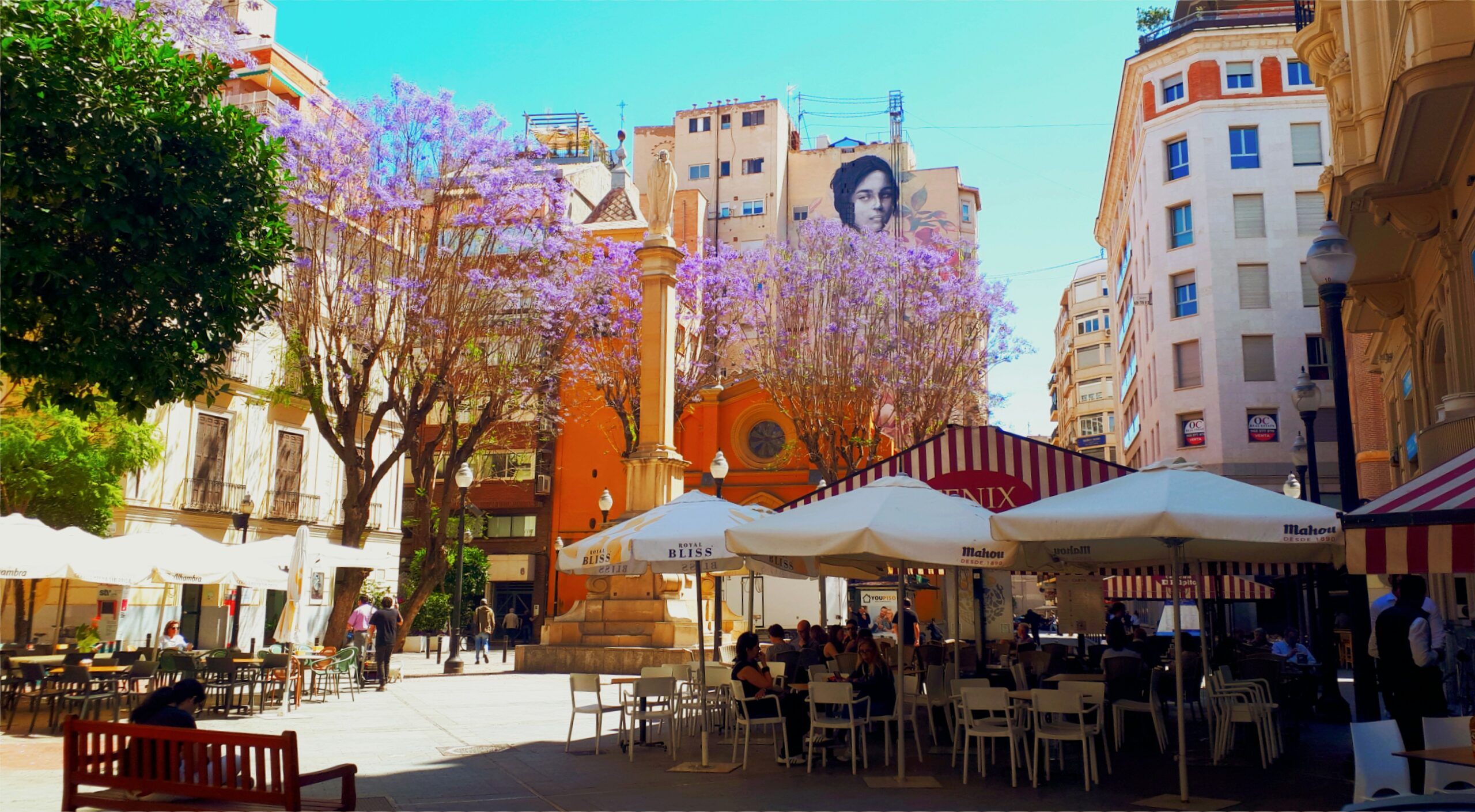
Introduction
Learning practical Spanish for everyday situations makes travel and socializing more enjoyable. This article presents 30 useful phrases for conversations in cafés. Each phrase includes a clear English explanation, example sentences, and usage notes to help beginner and intermediate learners speak naturally and confidently.
Ordering and menu phrases
1. Quisiera — I would like
Quisiera is a polite way to order or ask for something. Use it when ordering food or drinks.
Example: Quisiera un café con leche, por favor.
Usage note: Common in Spain and many Latin American countries; sounds polite and slightly formal.
2. Para llevar — To take away
Para llevar tells the barista you want your order to go. Useful in busy cafés.
Example:
Un croissant para llevar, gracias.
Usage note: In Mexico and some countries people may say para llevar or para llevar, in Spain you might also hear para llevar or para llevar, but para llevar is universally understood.
3. ¿Qué me recomienda? — What do you recommend?
¿Qué me recomienda? is great when you want a local suggestion or the café’s specialty.
Example:
Hola, ¿qué me recomienda? Quiero probar algo típico.
Usage note: Use with staff; for a friend you could say ¿qué me recomiendas?
4. Sin azúcar — Without sugar
Sin azúcar is useful for dietary preferences. Combine with drinks or desserts.
Example:
Un té verde, sin azúcar, por favor.
Usage note: If you prefer no sweetener at all, sin azúcar is clear and direct.
Paying and seating phrases
5. La cuenta, por favor — The check, please
La cuenta, por favor is the polite way to ask for the bill when you are done.
Example:
Hemos terminado. La cuenta, por favor.
Usage note: In some countries you might hear el ticket, but la cuenta is standard and safe.
6. ¿Aceptan tarjeta? — Do you accept cards?
¿Aceptan tarjeta? asks whether you can pay by card. Alternative: ¿Puedo pagar con tarjeta?
Example:
¿Aceptan tarjeta o solo efectivo?
Usage note: Useful in small cafés where card acceptance varies.
7. ¿Hay mesa disponible? — Is there a table available?
¿Hay mesa disponible? asks if there is seating. Use when entering busy cafés.
Example:
Buenas tardes, ¿hay mesa disponible para dos?
Usage note: For standing or counter service, you can ask ¿Tienen lugar para sentarse?
8. Una mesa para dos — A table for two
Una mesa para dos is the standard phrase when you want to be seated.
Example:
Hola, una mesa para dos, por favor.
Usage note: Change the number: una mesa para tres, una mesa para cuatro, etc.
Small talk and greetings
9. Buenos días — Good morning
Buenos días is a polite greeting before noon. Use it with staff and other customers.
Example:
Buenos días, ¿cómo están?
Usage note: After about 6pm, switch to buenas tardes or buenas noches.
10. ¿Cómo estás? — How are you?
¿Cómo estás? is friendly small talk. For formal or plural use ¿Cómo está? or ¿Cómo están?
Example:
Hola, ¿cómo estás? Hace tiempo que no te veo.
Usage note: Use with friends; for baristas keep it polite but brief.
11. ¿Qué tal? — How’s it going?
¿Qué tal? is a very common casual greeting. It fits well in café conversations.
Example:
Hola, ¿qué tal? ¿Todo bien?
Usage note: Informal and versatile; pair it with a smile.
12. ¿De dónde eres? — Where are you from?
¿De dónde eres? is a friendly question to start a conversation with another customer or barista.
Example:
¿De dónde eres? No parece que seas de aquí.
Usage note: Use ¿De dónde es usted? if you need to be formal.
Compliments and preferences
13. Está delicioso — It’s delicious
Está delicioso is a simple compliment for food or drink. Staff appreciate positive feedback.
Example:
Este pastel está delicioso, ¿es casero?
Usage note: Other options: está riquísimo or me encanta.
14. Me gusta — I like it
Me gusta expresses enjoyment. You can add the item: Me gusta este café.
Example:
Me gusta mucho el ambiente de este lugar.
Usage note: For stronger emphasis use me encanta.
15. No me gusta — I don’t like it
No me gusta is a polite way to express dislike. Be careful with tone in social settings.
Example:
Lo siento, no me gusta muy dulce.
Usage note: Offer a reason if appropriate, like está muy salado or está demasiado frío.
16. Prefiero — I prefer
Prefiero helps state preferences when ordering or choosing seating.
Example:
Prefiero el café sin leche.
Usage note: Use prefiero over me gustaría when indicating a general preference.
Asking for details and modifications
17. ¿Tiene hielo? — Do you have ice?
¿Tiene hielo? is useful for iced drinks, especially in hot climates.
Example:
Un café frío, ¿tiene hielo o lo sirven sin hielo?
Usage note: In some countries, iced coffee is less common, so ask politely.
18. Con leche / Sin leche — With milk / Without milk
Con leche and sin leche are quick modifiers for drinks and cereals.
Example:
Un té con leche, por favor. / Un té sin leche.
Usage note: Specify the type of milk if needed: con leche de almendras, con leche de soja.
19. ¿Me puede traer… — Can you bring me…
¿Me puede traer… is polite for requesting an extra item, like sugar or a napkin.
Example:
¿Me puede traer un poco de azúcar, por favor?
Usage note: For more informality say ¿Me traes…? with friends.
20. Un poco más — A little more
Un poco más is handy when you want extra coffee, milk, or time.
Example:
¿Puedo pedir un poco más de crema?
Usage note: Pair with por favor to be polite.
Making plans and social phrases
21. ¿Quieres tomar algo? — Do you want to get a drink?
¿Quieres tomar algo? is a casual invite to meet at a café or grab a drink.
Example:
¿Quieres tomar algo mañana por la tarde?
Usage note: For a formal invitation ask ¿Quiere tomar algo?
22. ¿A qué hora nos vemos? — What time shall we meet?
¿A qué hora nos vemos? helps set a meeting time for coffee dates or study sessions.
Example:
Perfecto, ¿a qué hora nos vemos en la cafetería?
Usage note: You can suggest a time: Nos vemos a las tres.
23. ¿Te importa si me siento? — Do you mind if I sit?
¿Te importa si me siento? is a polite way to join someone at a table when seating is limited.
Example:
Disculpa, ¿te importa si me siento aquí?
Usage note: Alternatively ask ¿Puedo sentarme? to the staff.
24. ¿Podemos reunirnos aquí? — Can we meet here?
¿Podemos reunirnos aquí? is useful when you propose the café as a meeting spot.
Example:
El lugar está céntrico. ¿Podemos reunirnos aquí el viernes?
Usage note: Use reunirnos for formal meetings; encontrarnos is more casual.
Small useful interactions
25. Disculpe — Excuse me
Disculpe gets someone’s attention politely, whether to order or navigate a crowded café.
Example:
Disculpe, ¿me trae la carta, por favor?
Usage note: For friends use disculpa; disculpe is more formal.
26. Gracias — Thank you
Gracias is essential for polite interactions with staff and other patrons.
Example:
Muchas gracias, estuvo todo perfecto.
Usage note: Add muchas if you want to emphasize gratitude: muchas gracias.
27. Perdón — Sorry / Excuse me
Perdón is useful if you bump into someone or need to pass between tables.
Example:
Perdón, ¿puedo pasar?
Usage note: You can also use lo siento for more serious apologies.
28. Un momento — One moment
Un momento buys time when you need to check your phone, finish a conversation, or pay.
Example:
¿Me espera un momento? Ya vuelvo.
Usage note: Polite and common; pair with por favor for extra politeness.
29. ¿Puedo ayudar? — Can I help?
¿Puedo ayudar? is useful if you see staff needing a hand or want to offer help to someone.
Example:
¿Puedo ayudar con las tazas?
Usage note: Use this phrase sparingly; staff may decline but will appreciate the courtesy.
30. Hasta luego — See you later
Hasta luego is a friendly farewell after meeting at a café. Other options: hasta pronto, nos vemos.
Example:
Fue un gusto verte. Hasta luego.
Usage note: Use in casual and semi-formal contexts; hasta la próxima is another warm option.
Practical tips for café conversations
Start with polite greetings like Buenos días and mirror the tone of the staff. Use Quisiera to be polite when ordering and remember to say Gracias. If you struggle to find words, ask ¿Qué me recomienda? and copy the pronunciation. Observe locals to pick up regional expressions and the shortened conversational style used by native speakers.
Pronunciation tips: roll the r lightly in words like prefiero and pronounce ñ as a palatal n in words like mañana. Speak slowly and clearly; many café workers will appreciate the effort and help correct you politely.
Conclusion
These 30 café phrases cover ordering, small talk, seating, paying, and polite interactions to help you navigate Spanish-speaking cafés confidently. Practice the phrases, listen to native speakers, and use them in real situations to build natural conversation skills. With these tools, your next coffee outing will be a great language-learning opportunity.