Introduction
When you are learning Spanish and someone asks you a question, sometimes you need a little time to think. This article gives beginner-friendly Spanish replies you can use to buy time, ask for clarification, or politely postpone an answer. Each phrase includes pronunciation-friendly tips, translations, and simple examples you might use in everyday situations.
- Why learn polite delay phrases?
- Basic phrases to buy time
- Polite ways to ask for time to think
- Responses when you need longer time
- Ways to ask for clarification before answering
- Softening your delay with gratitude or apology
- Short filler phrases for casual conversations
- Short messages and texting replies
- Tips for using these phrases naturally
- Common beginner mistakes and how to avoid them
- Practice exercises for beginners
- Realistic examples you might encounter
- Quick reference cheat sheet
- Conclusion
Why learn polite delay phrases?
Beginners often freeze when they need to reply quickly. Having a small set of ready phrases helps you sound natural, stay polite, and keep conversations flowing. These phrases are useful in classrooms, shops, restaurants, phone calls, and online chats. They also reduce stress and help you avoid awkward pauses while you search for words.
Basic phrases to buy time
Learn these short, easy responses first. They are common and safe in most situations.
Un momento — One moment. Use when you need a few seconds to think or find something. Example:
Un momento, por favor. Estoy buscando mi cuaderno.
Un segundo — One second. Slightly more casual but fine in many contexts. Example:
Un segundo, voy a mirar mi calendario.
Un minuto — One minute. Polite and slightly longer. Example:
Un minuto, por favor, necesito revisar la información.
Polite ways to ask for time to think
These phrases are slightly more formal and good for conversations with teachers, coworkers, or strangers.
Necesito un momento para pensar — I need a moment to think. Use when you want to be clear about needing thinking time. Example:
Necesito un momento para pensar la respuesta.
¿Me da un momento? — Will you give me a moment? This is a polite question to ask permission for extra time. Example:
¿Me da un momento? Quiero revisar los detalles.
¿Puedo pensarlo un momento? — Can I think about it for a moment? Use for decisions or choices. Example:
¿Puedo pensarlo un momento antes de responder?
Responses when you need longer time
Use these when you need more than a quick pause, like when checking dates, files, or asking someone else for information.
Necesito más tiempo — I need more time. Useful for homework, tasks, or making plans. Example:
Lo siento, necesito más tiempo para preparar el informe.
Te contesto luego — I will answer you later. Friendly and informal; good for messages or chats. Example:
No puedo ahora. Te contesto luego por mensaje.
Le respondo después — I will respond to you later. More formal, appropriate for emails or requests from officials. Example:
Gracias por su pregunta. Le respondo después con la información completa.
Ways to ask for clarification before answering
Sometimes you delay because you need to understand the question better. Use these phrases to request clarification so your eventual answer is accurate.
¿Qué quieres decir? — What do you mean? Direct and useful when a question is unclear. Example:
¿Qué quieres decir con “cambios”?
¿Puedes repetir la pregunta? — Can you repeat the question? Helpful in noisy places or when you missed words. Example:
Perdón, ¿puedes repetir la pregunta más despacio?
¿Puedes explicar un poco más? — Can you explain a bit more? Use when you need extra detail. Example:
¿Puedes explicar un poco más sobre el horario?
Softening your delay with gratitude or apology
Adding a brief apology or thank you makes delays feel polite. These small phrases are easy to combine with any of the delay phrases above.
Perdón, necesito un momento — Sorry, I need a moment. Example:
Perdón, necesito un momento para pensar la respuesta.
Gracias por esperar — Thanks for waiting. Use after a delay to show appreciation. Example:
Gracias por esperar, ya tengo la información.
Disculpa la espera — Sorry for the wait. Slightly more formal than perdón. Example:
Disculpa la espera, encontré la reserva ahora.
Short filler phrases for casual conversations
These fillers are common in everyday speech and help you avoid long silent pauses while you think of a better answer.
Bueno… — Well… Common starter when organizing thoughts. Example:
Bueno… creo que podemos intentarlo mañana.
Hmm… — Hmm… A thinking sound that is used in Spanish as in English. Example:
Hmm… no estoy seguro, voy a revisarlo.
Déjame ver — Let me see. Use when checking something physically or in your head. Example:
Déjame ver el menú, por favor.
Short messages and texting replies
For chats and text messages, these quick replies buy time while you compose a proper response or check details.
Ahora no puedo — I can’t now. Use for brief unavailable moments. Example:
Ahora no puedo, te escribo en una hora.
Te escribo luego — I’ll write you later. Casual and common. Example:
Te escribo luego cuando termine la reunión.
En un rato te respondo — I’ll reply in a bit. Friendly and clear. Example:
En un rato te respondo con la dirección.
Tips for using these phrases naturally
Short, polite phrases feel natural when combined with simple body language: a nod, slight smile, or a pause. For beginners, follow these tips.
Practice the phrases out loud to build confidence. Try a few in role-play with a partner or language app.
Match formality to the person you speak to. Use ¿Me da un momento? or Le respondo después with adults or professionals, and use Un segundo or Te escribo luego with friends.
Keep responses short. Long explanations increase the chance of mistakes. Delay, then give a short, clear answer when ready.
Common beginner mistakes and how to avoid them
Beginners make predictable errors when asking for time. Here are mistakes and simple corrections.
Mistake: Overusing literal translations like give me one moment in English word order. Correction: Use natural Spanish phrases such as Un momento or ¿Me da un momento?
Mistake: Forgetting politeness markers. Correction: Add por favor or gracias when appropriate, for example Un momento, por favor.
Mistake: Using formal forms with friends. Correction: Use informal forms like ¿Puedes esperar un momento? with peers.
Practice exercises for beginners
Try these simple activities to make the phrases automatic.
Role-play: One person asks a question and the other practices three different delay responses, then gives a final answer.
Text drill: Write five short messages using Te escribo luego, En un rato te respondo, and Ahora no puedo for different situations.
Record yourself: Say a question out loud and practice starting with Bueno… or Déjame ver before giving an answer.
Realistic examples you might encounter
Examples below show real contexts like shops, restaurants, classrooms, and schedules.
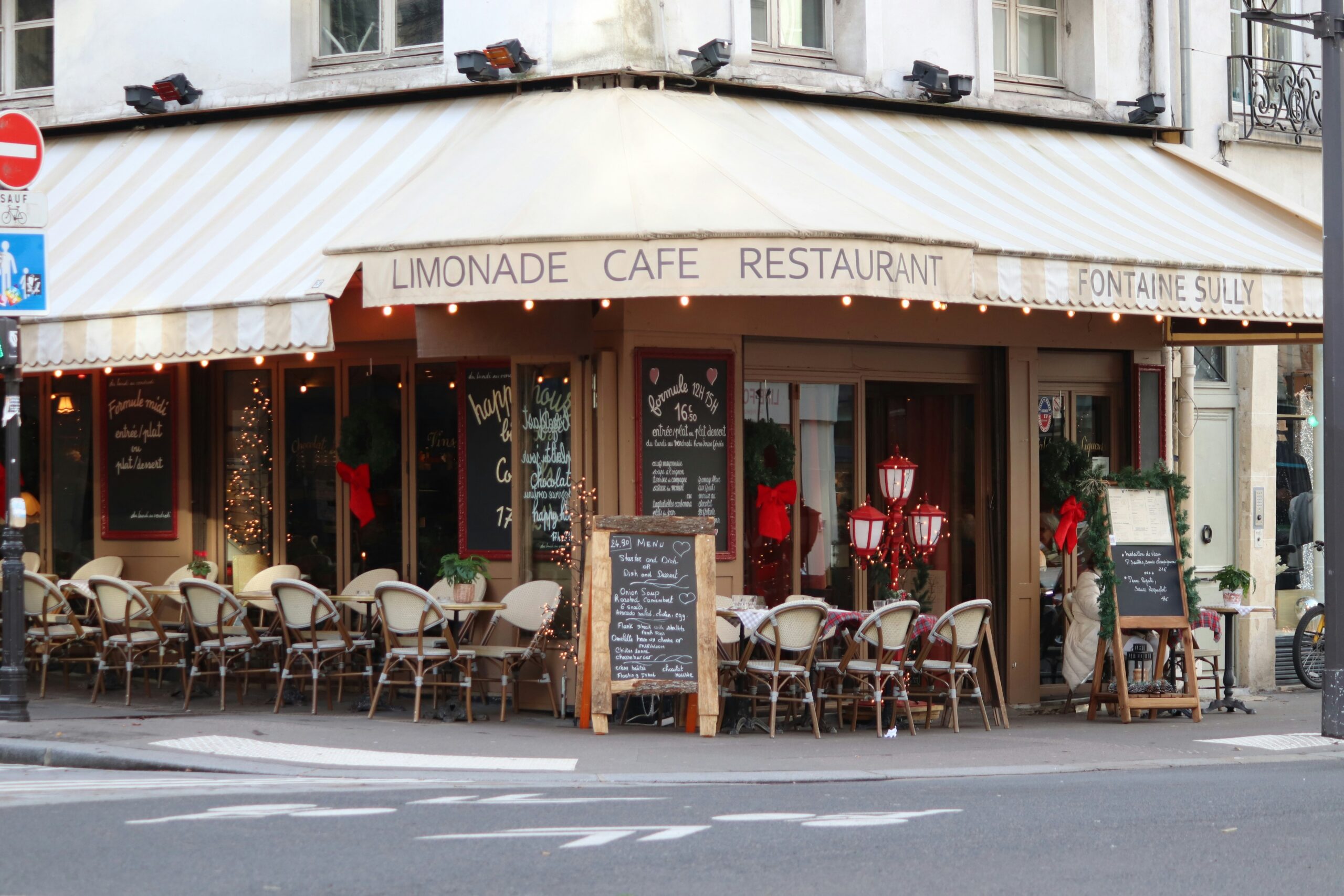
At a cafe:
Cliente: ¿Qué trae este plato?
Empleado: Un momento, por favor, le cuento los ingredientes.
In class:
Profesor: ¿Tienes la tarea lista?
Estudiante: Necesito un momento para buscarla en mi mochila.
On the phone:
Llamada: ¿Me puede dar su número?
Persona: ¿Me da un momento? Lo escribo ahora.
Making plans:
Amiga: ¿Vamos el sábado?
Persona: Puedo pensarlo un momento. Te respondo luego.
Quick reference cheat sheet
Keep these on your phone or a small card to use in real situations.
Un momento — One moment
Un segundo — One second
¿Me da un momento? — Will you give me a moment?
Necesito un momento para pensar — I need a moment to think
Te escribo luego — I’ll write you later
Conclusion
Having a reliable set of Spanish replies to buy time makes conversations smoother and reduces stress for beginners. Practice a few key phrases, match your level of formality to the situation, and combine short apologies or thanks to sound polite. With these simple tools you will feel more confident when you need a moment to think or check information.