Introduction
The Spanish word esquinero is a useful and practical term for learners because it appears in everyday conversation, home decor, furniture shopping, and directions. It is short, easy to pronounce, and can describe people, places, or objects related to a corner. Understanding esquinero helps you recognize descriptions in stores, on maps, and in casual speech. In this article you will learn the meaning, how to use the word in sentences, pronunciation tips, synonyms and antonyms, and natural contexts where native speakers use it. The goal is to make esquinero feel familiar so you can spot and use it confidently when talking about corners, corner items, or corner locations.
Meaning and Definition
The basic meaning of esquinero is something or someone related to a corner. It can be an adjective or a noun depending on the sentence. As a noun, esquinero often refers to an object designed for a corner, such as a corner shelf, corner sofa, or corner table. As an adjective, it describes the location of a store or person who is near or at a corner.
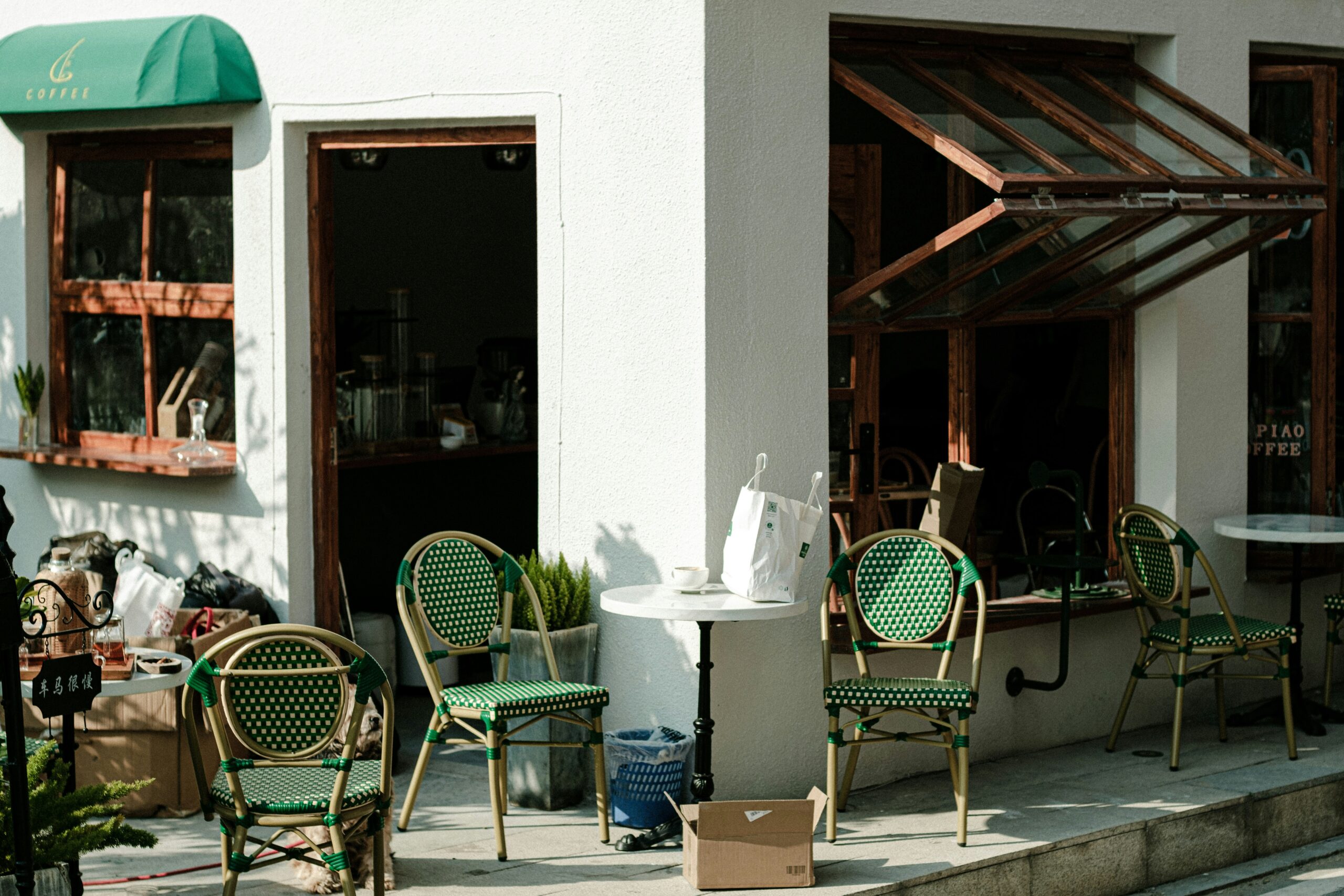
Common nuance: when people say esquinero, they usually emphasize the corner position or the design that fits into a corner. For furniture, it means the piece is shaped to occupy a corner space. For places, like a cafe, esquinero suggests it sits at the intersection of two streets.
Etymology: esquinero comes from esquina, the Spanish word for corner, plus the suffix -ero, which forms nouns or adjectives indicating a relation or function. Esquina itself probably originates from late Latin or older Iberian languages, and the -ero suffix is very productive in Spanish for forming words that mean related to or used for something.
Usage and Example Sentences
Spanish: El sofá esquinero cabe perfectamente en la sala.
English: The corner sofa fits perfectly in the living room.
Spanish: Compramos una mesa esquinera para aprovechar el espacio.
English: We bought a corner table to make use of the space.
Spanish: La cafetería esquinera tiene vistas a dos calles.
English: The corner café has views of two streets.
Spanish: Pon la lámpara esquinera junto a la ventana.
English: Put the corner lamp next to the window.
Spanish: El puesto esquinero vende frutas frescas todos los días.
English: The stall on the corner sells fresh fruit every day.
Spanish: Vimos a un hombre esquinero pidiendo direcciones.
English: We saw a man at the corner asking for directions.
Spanish: La planta esquinera necesita menos luz que las demás.
English: The corner plant needs less light than the others.
Spanish: Prefiero la habitación esquinera porque tiene más ventanas.
English: I prefer the corner room because it has more windows.
Synonyms, Antonyms, and Word Usage Differences
Synonyms: esquina and related forms are central here. You might see esquina alone as the noun for corner. Words like rinconero or rincón (and its adjective form rincónal in some dialects) can be similar, especially rincón which means nook or corner with a slightly cozier nuance. For furniture, you can see mueble de esquina or mueble esquinero, both mean corner furniture.
Antonyms: Words that imply the opposite location include centro (center), medio (middle), or central. If something is not at the edge or corner, you might call it central or en el medio.
Usage differences: Use esquinero when the corner position matters, or when the object is built to fit into a corner. Use rincón or rincónero when you want to emphasize a small, cozy, or tucked-away corner. For maps and directions, esquina is more common than rincón. When describing furniture, esquinero highlights the shape and function for corners.
Pronunciation and Accent
Pronunciation: The word esquinero is pronounced approximately es-kee-NEH-ro in English phonetics. The stress falls on the penultimate syllable ne (es-qui-NE-ro).
IPA notation: /eskiˈneɾo/
Tips: Pronounce the initial e clearly, then the consonant cluster sk is like the English sk sound. The qu before i produces the k sound, so esquina and esquinero keep a hard k sound. The r in the middle is a single flap r, like the American English t in better (flapped r-like articulation), not a rolled r. Avoid placing the stress on the first syllable; natural Spanish stress for this word is on ne.
Common mistakes: English speakers sometimes pronounce the r too strongly as a trill or move the stress to the wrong syllable (ES-qui-ne-ro). Another mistake is pronouncing qu as kw; in Spanish qu before e or i is just k. Practice slowly: es-qui-ne-ro, then speed up gradually.
Native Speaker Nuance and Usage Context
Everyday speech: Native speakers use esquinero in a variety of simple and familiar contexts. For example, people describe apartments by saying soy de la esquina (I live on the corner) or señalan una tienda esquinera for a store on the corner. It is common in casual conversation and in shopping situations when talking about furniture that fits into corners.
Formal vs informal: esquinero is neutral in register. You can use it in informal chats, in advertisements for furniture, and in formal written descriptions of homes or floor plans. It does not carry strong formality markers, so it is flexible.
Regional differences: The meaning and use of esquinero are mostly uniform across Spanish-speaking countries. However, you might hear regional preferences like rincón for a cozy corner in some areas, while other regions prefer esquina for straightforward directions. Some countries may more often say sofá de esquina instead of sofá esquinero, but both are correct.
Idiomatic uses: esquinero is rarely used in metaphorical idioms, but you might hear it in descriptive phrases like piso esquinero (corner apartment) to imply extra windows, more light, or a wider view. In markets, un puesto esquinero can be seen as advantageous because corner stalls get more visibility and foot traffic.
Conclusion
To summarize, esquinero is a handy Spanish word that connects to the idea of a corner. It can describe objects designed for corners, locations that sit at an intersection, or people and items positioned at a corner. The word is easy to learn because it shares a root with esquina and follows regular Spanish pronunciation rules. Remember the stress at the penultimate syllable and the IPA /eskiˈneɾo/ to practice correctly. Learning esquinero helps you talk about homes, furniture, directions, and shops more naturally. With the sample sentences and usage tips above, you should be able to recognize and use esquinero in everyday Spanish conversations.