Introduction
Starting Spanish on your first day can feel exciting and overwhelming. This guide gives you a clear, practical roadmap to learn the essentials: greetings, pronunciation basics, numbers, days, common verbs, and simple questions you can use right away in everyday situations. Follow the steps and examples to build confidence fast.
Why focus on basics first
Beginners benefit most from functional language that works in real situations: saying hello, asking for help, reading a menu, or understanding a schedule. Early success motivates you to continue. This guide prioritizes high-utility words and short phrases you will actually use in Latin American Spanish contexts.
Core pronunciation tips
Learning a few pronunciation patterns helps you be understood and to recognize words. Focus on consistent sounds rather than perfect accent imitation.
a as in amigo — short and open like in father
e as in estudiante — like the e in let but a bit clearer
i as in italiano — like the ee in see, but short
o as in oficina — like the o in more without diphthong
u as in uno — like the oo in food but shorter
ll as in llave — in Latin America often pronounced like y in year
ñ as in niño — like ny in canyon
Essential vocabulary to learn first
Start with words you will meet everywhere: greetings, polite words, numbers, days, and basic nouns. Learn pronunciation and practice forming short sentences.
Hola — *hola* means hello. Use for most casual greetings.
Adiós — *adiós* means goodbye.
Por favor — *por favor* means please.
Gracias — *gracias* means thank you.
Perdón — *perdón* means excuse me or sorry in simple situations.
Sí — *sí* means yes.
No — *no* means no.
Useful numbers
Numbers help with prices, addresses, phone numbers, and schedules. Learn 0 to 20 first, then tens: 30, 40, 50.
cero — *cero*
uno — *uno*
dos — *dos*
tres — *tres*
cuatro — *cuatro*
cinco — *cinco*
seis — *seis*
siete — *siete*
ocho — *ocho*
nueve — *nueve*
diez — *diez*
once — *once*
doce — *doce*
trece — *trece*
catorce — *catorce*
quince — *quince*
veinte — *veinte*
treinta — *treinta*
Key verbs for day one
Verbs let you make sentences. On day one, focus on infinitives and simple present forms you will use most often.
ser — *ser* means to be (essential identity).
estar — *estar* means to be (states, location).
tener — *tener* means to have.
ir — *ir* means to go.
hacer — *hacer* means to do or make.
querer — *querer* means to want.
Simple present examples
Practice these short sentences to feel comfortable speaking immediately.
Soy estudiante — *Soy estudiante* means I am a student.
Estoy aquí — *Estoy aquí* means I am here.
Tengo una pregunta — *Tengo una pregunta* means I have a question.
Voy al mercado — *Voy al mercado* means I go to the market or I am going to the market.
Quiero agua — *Quiero agua* means I want water.
Everyday phrases and sample dialogues
Memorize short exchanges you can use in cafés, shops, transit, and with neighbors. Dialogue practice builds listening and speaking confidence.
En el café
Hola, hola. Un café, por favor.
¿Con leche?
Sí, con leche.
En la tienda
Disculpe, disculpe. ¿Cuánto cuesta esto?
Cuesta veinte pesos.
Perfecto, gracias.
En la calle
Perdón, perdón, ¿dónde está la estación?
La estación está a dos cuadras.
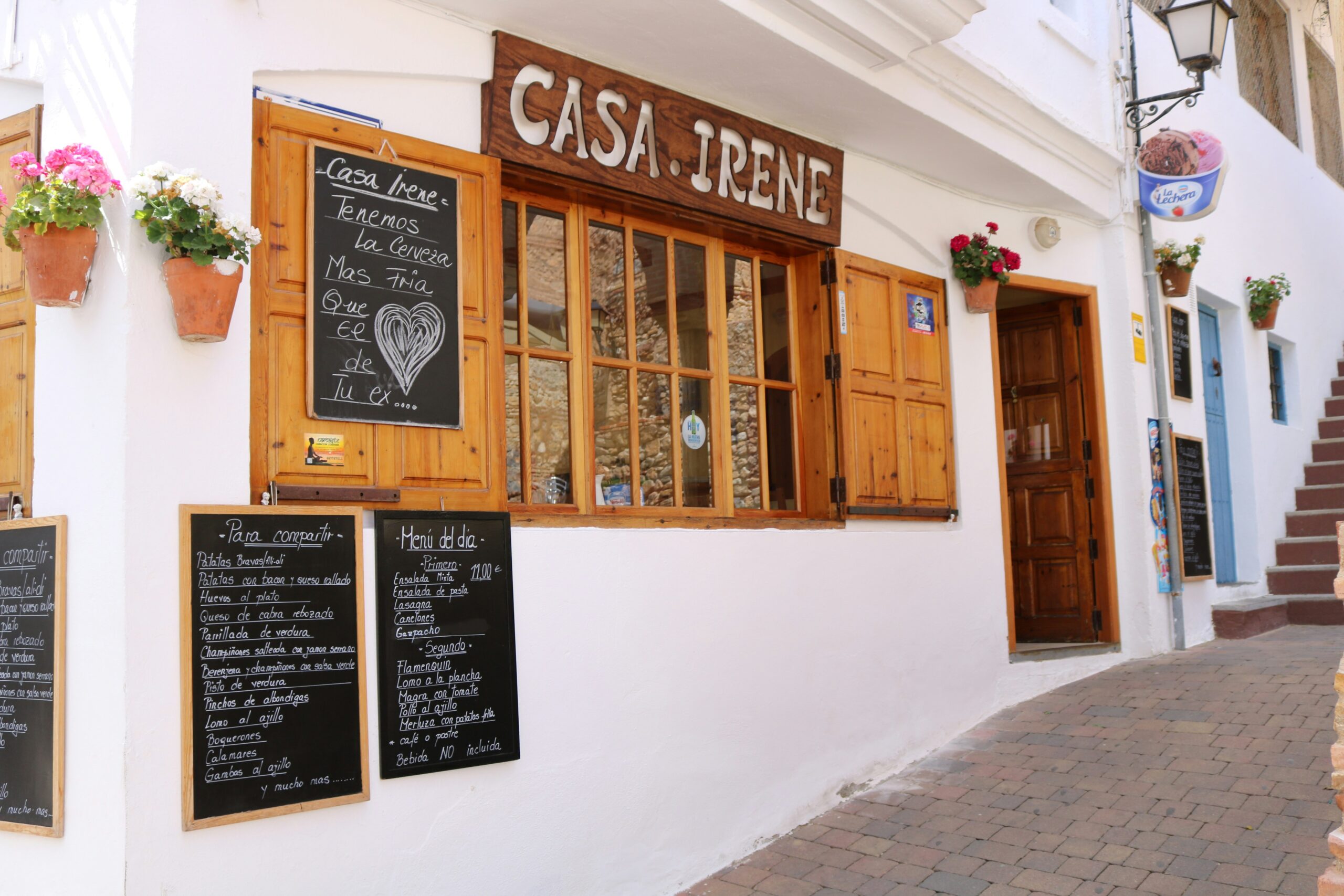
Reading simple signs and menus
Recognizing common words on signs and menus is hugely practical. Focus on nouns and verbs you already know.
Entrada — *entrada* means entrance.
Salida — *salida* means exit.
Horario — *horario* means schedule or hours.
Menú — *menú* means menu.
Baños — *baños* means restrooms.
Example menu line:
Ensalada verde — 50
Grammar basics you need now
Keep grammar minimal at first. Learn gender, simple articles, and subject pronouns so you can build basic sentences accurately.
Articles and gender
Spanish nouns have gender. Use el for masculine singular and la for feminine singular. For plural use los and las.
el libro — *el libro* means the book.
la mesa — *la mesa* means the table.
Subject pronouns
yo — *yo* means I.
tú — *tú* means you (informal).
usted — *usted* means you (formal).
él — *él* means he.
ella — *ella* means she.
Combine a pronoun with a present verb: Yo soy, Tú tienes, Ella va.
Common beginner mistakes and how to avoid them
Knowing typical errors helps you progress faster. Focus corrections on the mistakes that most hinder communication.
Mistake: forgetting gender. Solution: learn nouns with their article, for example el coche, la casa.
Mistake: mixing ser and estar. Solution: use ser for identity and origin, estar for location and temporary states. Example: Soy profesor vs Estoy cansado.
Mistake: literal translation from English. Solution: listen to native short phrases and repeat them instead of translating word for word.
Practical first-day study plan
Use a focused routine that balances vocabulary, listening, speaking, and simple grammar. Aim for 60 minutes with clear tasks.
0-10 minutes: warm up pronouncing vowels and key consonants. Repeat the pronunciation list aloud.
10-25 minutes: learn and drill core vocabulary: greetings, numbers 0-20, days, and time words like mañana and hoy.
25-40 minutes: study verbs ser, estar, tener, ir and practice simple present sentences.
40-55 minutes: role-play common scenarios: ordering food, asking for directions, buying a ticket. Use the sample dialogues above and adapt them to your needs.
55-60 minutes: review and set one small goal for the next day, for example learning 10 new nouns or listening to a short Spanish podcast segment.
Quick practice exercises
Short, purposeful drills help retention.
Exercise 1: Greet ten people in Spanish using variations: Hola, Buenos días, Buenas tardes.
Exercise 2: Read a short menu and identify three items: sopa, pollo, arroz.
Exercise 3: Use numbers to say your phone number or price: Mi número es cinco cinco tres.
Simple digital tools to use today
Choose one or two beginner-friendly apps or resources for on-the-go practice: a vocabulary trainer, a pronunciation tool, and a short-format audio lesson service. Use each for 10-15 minutes to reinforce what you learned.
Look for features that let you hear native Latin American pronunciation and repeat aloud. Flashcards for the vocabulary list above speed memorization.
Conclusion
Your first day learning Spanish should focus on practical vocabulary, pronunciation patterns, essential verbs, and short dialogues you can use immediately. Follow the day-one plan, practice aloud, and review simple mistakes to build fast confidence. Small, consistent steps lead to steady improvement.