Introduction
moldura is a Spanish noun that you will often encounter in conversations about design, decoration, and architecture. Knowing this word helps learners describe the details that make rooms, furniture, and frames look finished and elegant. Whether you are talking about a painting hung on a wall, a mirror in a hallway, or the trim around a ceiling, moldura is a useful term that appears in home improvement, art, and interior design contexts. Learning moldura also builds vocabulary for related topics such as carpentry, restoration, and museum descriptions. In this article you will find a clear definition, pronunciation tips, sample sentences with translations, related words, and guidance on when to use moldura correctly in real-life situations.
Meaning and Definition
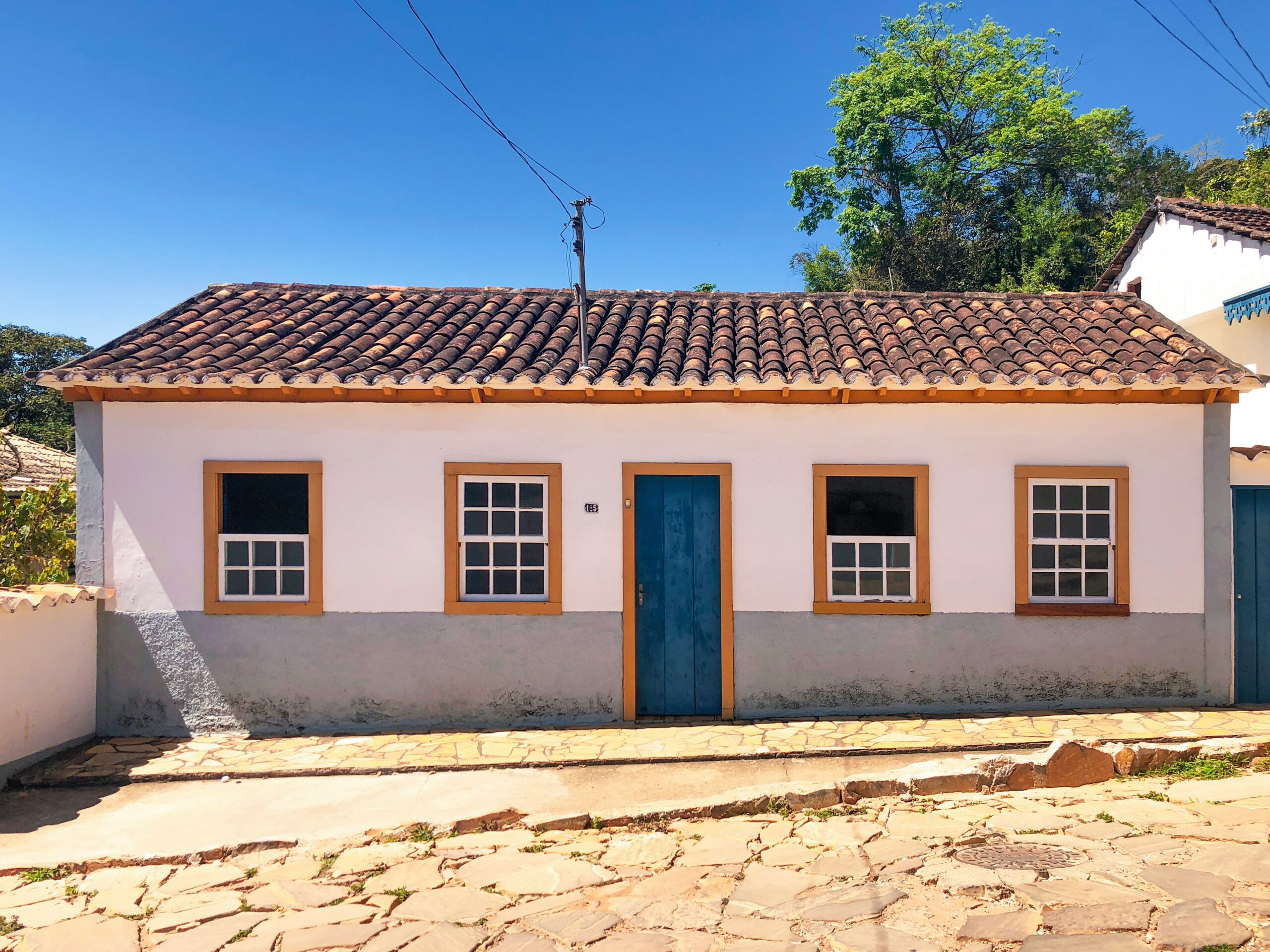
The basic meaning of moldura in Spanish is a decorative or protective strip that frames, borders, or finishes an object. It commonly refers to the shaped wood, plaster, or other material applied around paintings, mirrors, doors, windows, ceilings, and furniture. A moldura can be plain and simple or ornate and detailed, depending on the style and function.
Nuance: moldura often emphasizes the design and finishing role of the piece. It is not just a functional strip; it usually has a visible, aesthetic purpose. For example, a plain flat strip might be called listón or tirante, while a carved, decorative piece is more likely called moldura.
Etymology: The word moldura comes from the verb moldear, which means to shape or mold. The root relates to forming or giving shape, and over time it evolved into a noun for the shaped decorative element. The connection to molding explains why many molduras have curved or patterned profiles.
Usage and Example Sentences
Spanish: La moldura del cuadro es dorada y muy detallada.
English: The frame molding of the painting is gold and very detailed.
Spanish: Vamos a cambiar la moldura del techo para que combine con las paredes.
English: We are going to change the ceiling molding so it matches the walls.
Spanish: En la restauración de la casa antigua quitaron las molduras dañadas y las reemplazaron.
English: In the restoration of the old house they removed the damaged moldings and replaced them.
Spanish: Compré un espejo con una moldura contemporánea de madera clara.
English: I bought a mirror with a contemporary light wood molding.
Spanish: La moldura de la puerta evita que el marco se vea sin terminar.
English: The door molding prevents the frame from looking unfinished.
Spanish: Los carpinteros tallaron una moldura simple para los muebles del comedor.
English: The carpenters carved a simple molding for the dining room furniture.
Spanish: En el museo la moldura del retrato es original de la época del pintor.
English: In the museum the portrait’s molding is original from the painter’s era.
Spanish: Si quieres un estilo más clásico, elige molduras con perfiles curvos y ornamentales.
English: If you want a more classic style, choose moldings with curved and ornamental profiles.
Spanish: Pintaron las molduras de blanco para que la habitación pareciera más amplia.
English: They painted the moldings white so the room seemed wider.
Synonyms, Antonyms, and Word Usage Differences
Related words and near-synonyms in Spanish include marco, cenefa, listón, molduración (less common), cornisa, and remate. Each has specific uses:
Marco: Often means frame in the sense of a picture frame or border, and is used interchangeably with moldura when referring to picture or mirror frames. However, marco focuses on the object that holds or supports (the frame itself) rather than the decorative profile.
Cenefa: Refers to a decorative band or frieze, often a patterned strip on wallpaper, tiles, or fabric. A cenefa is usually flatter and patterned, while moldura is usually three-dimensional.
Listón: A simple strip of wood or other material used for structural or basic finishing purposes. Use listón for plain, utilitarian strips; prefer moldura when the strip is shaped or decorative.
Cornisa: Specifically means cornice, a projecting molding at the top of a building, wall, or chimney. Cornisa is used for larger architectural features; moldura is broader and can apply to smaller interior and furniture elements.
Remate: A finishing piece or cap that completes an object. Remate can overlap with moldura when the piece serves as a finishing detail, but remate emphasizes closure or completion rather than the decorative profile.
Antonyms: There is no direct single-word antonym that negates decoration, but words like desnudo, liso, or sin ornamentación describe the absence of molding or decoration. For example, pared lisa means smooth wall with no moldings.
How to choose: If you talk about the decorative shaped strip around a frame, picture, mirror, door, or ceiling, use moldura. If you mean the frame as an object that holds something, marco might be more precise. If the strip is plain and functional, listón is better. Use cornisa when referring to large, projecting moldings near the roofline or ceiling edge.
Pronunciation and Accent
Pronunciation guidance: moldura is pronounced mol-DOO-rah in plain, non-IPA terms. In the International Phonetic Alphabet (IPA) it is /molˈduɾa/ in most Spanish dialects.
Stress: The stress falls on the second syllable, du, which is why the IPA shows the stress mark before du: /molˈduɾa/. There is no written accent mark needed because the word follows normal Spanish stress rules for words ending in a vowel.
Sounds to notice: The letter d in Spanish has a softer sound than the English d when it is between vowels. In many dialects, the /d/ in moldura will be an approximant [ð] sound, similar to the th in English this for some speakers, especially in casual speech. The r is a single tap [ɾ] between vowels, so it is softer than a rolled r.
Common pronunciation mistakes: English speakers sometimes stress the first syllable or pronounce the r as a heavy trilled r, giving mol-DOO-ra or mol-DUR-ra. Avoid stressing mol- and do not use a strong trilled r. Also, avoid pronouncing the d as a hard stop like in dog; instead, aim for the softer between-vowel sound or a light d sound.
Native Speaker Nuance and Usage Context
Everyday contexts: Native speakers use moldura in three main areas: interior design and architecture, frames for pictures and mirrors, and furniture detailing. In daily conversation you might hear people say they want new molduras for their living room or that an antique chair has beautiful molduras.
Formal vs informal: moldura can appear in both formal and informal speech. A homeowner describing renovation plans might use it casually, while architects, designers, and museum professionals will use it in technical descriptions. In a formal setting, you might hear detailed terms like cornisa, entablamento, or zócalo alongside moldura, but in casual speech moldura is common and well understood.
Regional differences: The basic meaning of moldura is widely understood across Spanish-speaking regions, but specific terms for certain types of moldings can vary. For example, some regions might prefer cornisa for ceiling moldings, while others might use moldura for the same feature. When describing picture frames, marco and moldura may be interchangeable in many places.
Colloquial expressions: There are not many idiomatic expressions centered on moldura, since it is a concrete, technical noun. However, you can hear phrases like poner molduras or quitar las molduras when talking about adding or removing decorative trim. In restoration contexts, you might hear restaurar la moldura or reproducir las molduras originales.
Practical tips: When shopping for home decoration or talking to a carpenter, use moldura to refer to the shaped decorative trim you want. Bring a photo or sample if possible, because there are many profiles and styles. If you need a specific type—crown molding, baseboard, or picture frame molding—you can add words like de techo (for ceiling), de zócalo (for baseboard), or de cuadro (for picture frame) to be clearer.
Conclusion
In summary, moldura is a practical and descriptive Spanish noun that refers to decorative or finishing strips used around frames, ceilings, doors, windows, and furniture. It is rooted in the verb moldear, which helps explain its connection to shaped and molded profiles. You will find moldura useful in everyday conversations about home decor, restoration, carpentry, and art. Pay attention to pronunciation: stress the second syllable and use a softer d sound and a tapped r. Remember the related words like marco, listón, cenefa, and cornisa so you can choose the right term for different situations. Practicing the sample sentences and using photos to show the exact style will help you use moldura confidently when talking with native speakers, professionals, or friends about interiors and design.