Introduction
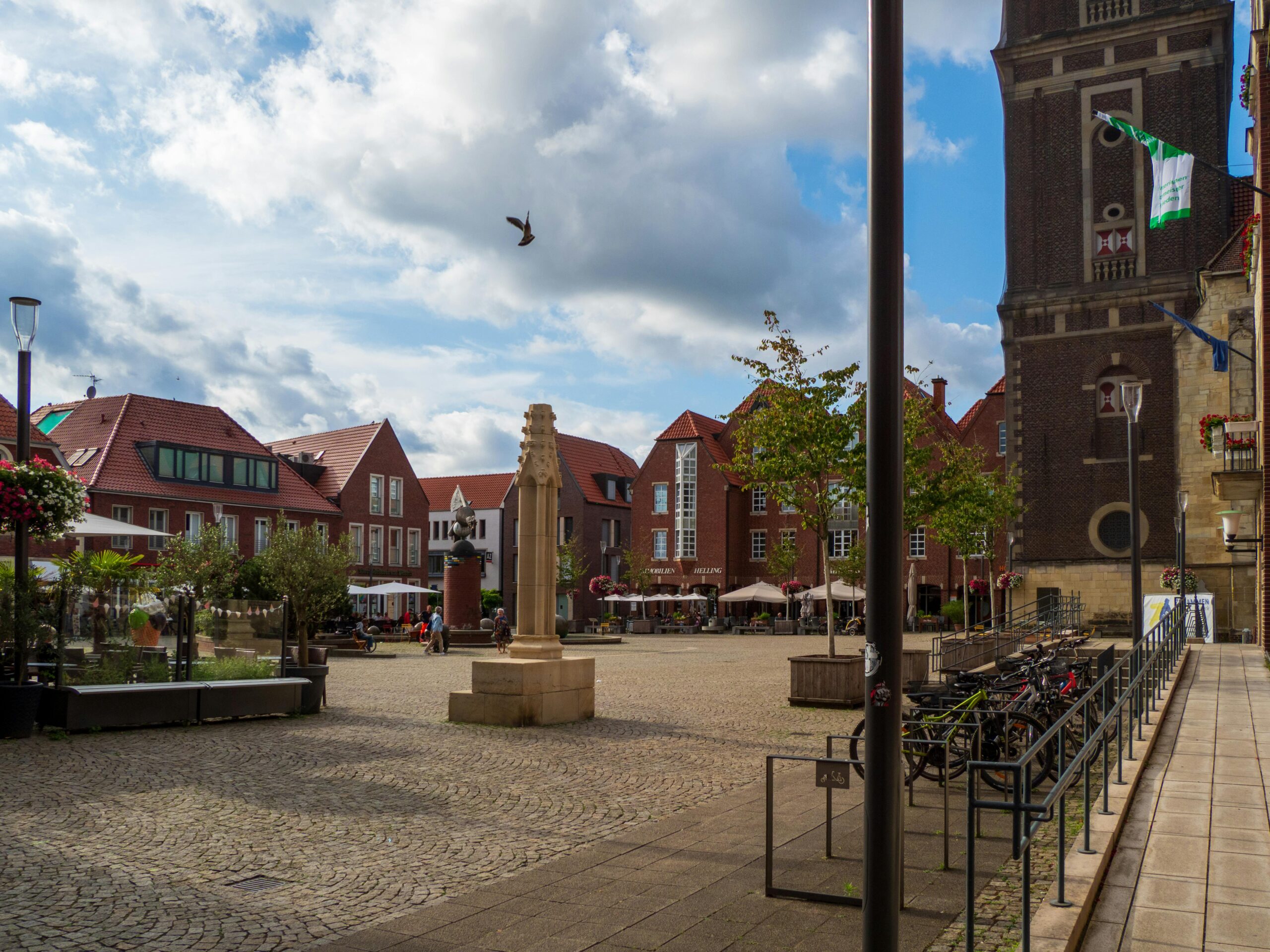
urbanismo is a useful word for learners who want to talk about cities, planning, and how people design and use urban spaces. Knowing this term helps students understand news articles, school topics, and conversations about public spaces, housing, and local government decisions. The word appears in many contexts: architecture, geography, environmental planning, and everyday discussions about how a city grows or changes. Learning urbanismo also opens the door to related vocabulary like ciudad, planificación, obra pública, and barrio. This article explains the meaning, pronunciation, usage, and real-life examples of urbanismo so English-speaking learners can feel confident using the word in Spanish conversations and reading.
Meaning and Definition
The basic meaning of urbanismo is urban planning or the study and practice of designing and organizing cities and towns. It covers how streets, parks, buildings, public transport, and services are arranged to make a city functional and pleasant. More broadly, urbanismo can refer to the policies, designs, and practices that shape the physical and social life of urban areas.
Common nuance: urbanismo often implies a professional or systematic approach to city design. When people use it, they usually refer to planning decisions, regulations, and the discipline that balances aesthetics, infrastructure, and social needs.
Etymology: The word comes from urbano (urban, related to the city) + the suffix -ismo, which indicates a practice, theory, or system. So urbanismo literally refers to the practice or theory of the city.
Usage and Example Sentences
Spanish: El urbanismo moderno busca calles más seguras y espacios verdes.
English: Modern urban planning seeks safer streets and green spaces.
Spanish: El ayuntamiento contrató a un experto en urbanismo para diseñar el nuevo barrio.
English: The city council hired an urban planning expert to design the new neighborhood.
Spanish: El debate sobre el urbanismo incluye transporte, viviendas y protección del patrimonio.
English: The debate about urbanism includes transport, housing, and heritage protection.
Spanish: Estudio urbanismo en la universidad porque quiero mejorar las ciudades.
English: I study urban planning at university because I want to improve cities.
Spanish: El plan de urbanismo prohíbe construcciones demasiado altas cerca del río.
English: The urban development plan bans buildings that are too tall near the river.
Spanish: Muchas ciudades adoptan principios de urbanismo sostenible para reducir la contaminación.
English: Many cities adopt sustainable urban planning principles to reduce pollution.
Spanish: El urbanismo participativo incluye a los vecinos en las decisiones sobre su barrio.
English: Participatory urbanism involves neighbors in decisions about their neighborhood.
Spanish: El libro explora la historia del urbanismo en América Latina.
English: The book explores the history of urban planning in Latin America.
Synonyms, Antonyms, and Word Usage Differences
Related words: planificación urbana is a close synonym often used interchangeably with urbanismo. Planificación urbana emphasizes the planning process, while urbanismo can refer to the discipline, theory, or practice more broadly.
Other similar words: arquitectura (architecture) focuses on building design rather than the broader city system; desarrollo urbano (urban development) stresses growth and construction; ordenación del territorio (territorial planning) covers larger-scale planning beyond cities, like regions and rural areas.
Opposites: There is no direct antonym, but ruralidad or planificación rural refer to countryside planning, the conceptual opposite of urban planning.
How to choose: Use urbanismo when speaking about the professional field, theory, policies, and practices that shape cities. Choose planificación urbana when you want to emphasize the technical steps or formal plans a city government uses. Use arquitectura when discussing individual buildings, and desarrollo urbano when focusing on construction and economic growth in a city.
Pronunciation and Accent
Pronunciation guidance: urbanismo is pronounced /uɾβaˈnismo/ in IPA for standard Spanish. In many dialects, the initial u sounds like English oo in food, the r is a single flap (similar to the tt in American English better when said quickly), and the b between vowels is softer, close to a voiced bilabial fricative or approximant.
Stress: The stress is on the third syllable: ur-ba-NIS-mo. There is no written accent mark because the stress follows regular Spanish rules for words ending in a vowel, s, or n (stress on the penultimate syllable).
Common pronunciation mistakes: English speakers sometimes stress the first syllable (UR-banismo) or insert an extra syllable (ur-ba-niz-mo). Also, pronouncing the b as a hard English b in every position is common; in Spanish, the b between vowels is softer. The r should be a single flap, not the English r sound or a trilled rr.
Native Speaker Nuance and Usage Context
Everyday use: Native speakers use urbanismo in both formal and informal conversations, but it often appears in news, academic texts, and municipal documents. In a casual talk, someone might say Estoy interesado en el urbanismo when describing a hobby or career interest, or complain about poor urban planning with phrases like Mal urbanismo aquí ha creado problemas de tráfico.
Formal contexts: In city councils, universities, and planning offices, urbanismo is common. Phrases like plan de urbanismo, regulación de urbanismo, and oficina de urbanismo are used to refer to formal plans, regulations, and municipal departments.
Informal contexts: In everyday speech, people might use simpler terms such as planificación de la ciudad or hablar de la planificación urbana de su barrio. Still, urbanismo is well understood and often used by journalists and community organizers.
Cultural nuance: In Spanish-speaking countries, discussions about urbanismo often include social issues like access to housing, public transport equity, and preservation of historical neighborhoods. Conversations can be technical but also emotionally charged when residents feel excluded from decisions about their neighborhoods.
Collocations: Common phrases include política de urbanismo, estudios de urbanismo, urbanismo sostenible, y oficina de urbanismo. Learning these collocations helps you recognize natural uses in texts and conversations.
Conclusion
In summary, urbanismo is an important Spanish word that means urban planning or the practice of designing and organizing cities. It combines practical, technical, and social aspects of how towns and cities function, and it appears across formal documents, academic contexts, and everyday conversations about neighborhoods. Pronounce it with the stress on the penultimate syllable, use a soft b sound between vowels, and remember the single-flap r. Distinguish urbanismo from related words like arquitectura, planificación urbana, and desarrollo urbano to communicate precisely. Learning urbanismo and its common collocations will help English-speaking learners read local news, follow class topics, and participate in conversations about city life and public policy.