Introduction
The Spanish word arenal is a useful and concrete noun that English-speaking learners often encounter when reading about nature, geography, or travel in Spanish-speaking countries. It refers to a place covered with sand or a sandy terrain, and you will see it in place names, travel guides, and everyday descriptions of beaches and deserts. Learning arenal helps learners describe landscapes more precisely and expands vocabulary related to the environment and outdoor activities. Because it appears in both literal and sometimes figurative contexts, knowing how to use arenal correctly will make your Spanish sound more natural and descriptive.
This article explains the meaning, origin, pronunciation, synonyms, antonyms, and real-life usage of arenal. It includes multiple example sentences with clear English translations and tips on when to use similar words. The explanations are written in plain English so middle school learners can follow along, but they also include useful details for intermediate learners who want to expand their vocabulary. By the end, you should feel comfortable recognizing and using arenal in Spanish conversations and writing.
Meaning and Definition
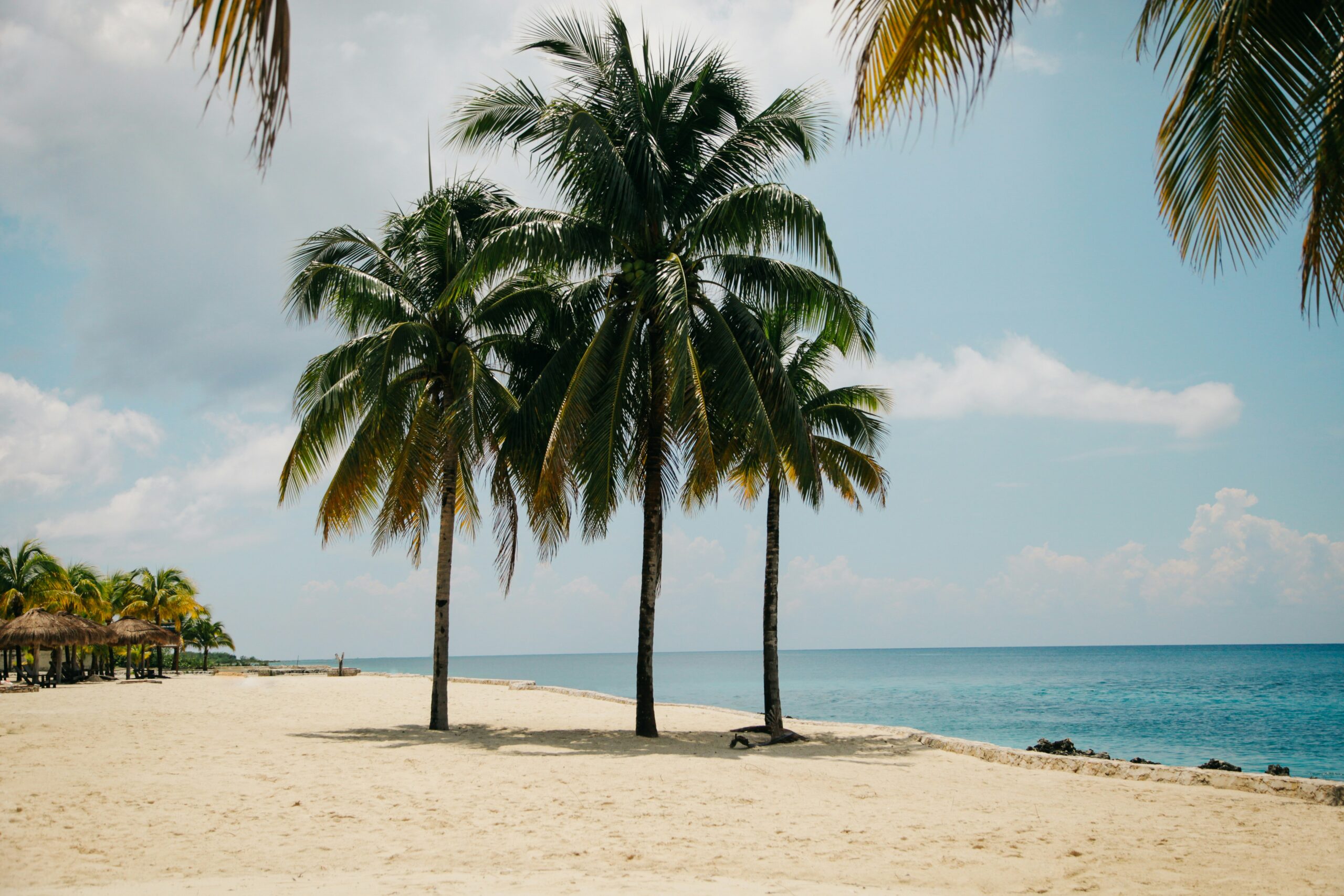
The basic meaning of arenal in Spanish is a sandy place or an area covered with sand. It often refers to a beach, a sandbank, or a dune field. In many contexts, arenal can mean the sandy shore by a river or sea, or a stretch of sand in a coastal or desert landscape.
As a noun, arenal highlights the physical quality of the ground: sand. Think of it as the Spanish equivalent of words like sandbank, sandy area, or dune area in English. It is commonly used for natural spaces where sand is the dominant material underfoot.
The word comes from Spanish roots related to arena, which means sand. Arena itself comes from the Latin word arena, which also meant sand or the sandy surface of an amphitheater. The suffix -al in Spanish can turn a noun into a place or relate something to that noun, so arenal literally connects to a place of sand: arena + -al = arenal.
Usage and Example Sentences
Below are several example sentences that show different ways to use arenal in everyday Spanish. Each example includes a clear English translation. These sentences are safe, neutral, and useful for learners.
Spanish: El caminó por el arenal hasta llegar a la orilla del mar.
English: He walked across the sandy area until he reached the seashore.
Spanish: En la playa, los niños construyeron castillos en el arenal.
English: On the beach, the children built castles in the sand.
Spanish: El hotel está cerca del arenal, a solo cinco minutos a pie.
English: The hotel is near the sandy stretch, only five minutes on foot.
Spanish: Durante la marea baja se ve un arenal extenso lleno de conchas.
English: During low tide you can see an extensive sandbank full of shells.
Spanish: Los senderos evitan el arenal para proteger las dunas.
English: The trails avoid the sandy area to protect the dunes.
Spanish: En el mapa local, la zona aparece marcada simplemente como arenal.
English: On the local map, the area appears labeled simply as arenal.
Spanish: En verano, el arenal se llena de familias que buscan sombra.
English: In summer, the sandy area fills with families looking for shade.
Spanish: Los pescadores amarraron sus botes junto al arenal, donde el agua es baja.
English: The fishermen tied their boats near the sandbank, where the water is shallow.
Spanish: Para el estudio, tomamos muestras de arena del arenal cercano.
English: For the study, we took sand samples from the nearby sandy area.
Synonyms, Antonyms, and Word Usage Differences
Related words and synonyms can help you choose the right term for a situation. Here are common words related to arenal and how they differ:
arena: This is the general word for sand. Use arena when you mean sand itself, not necessarily the place. Example: arena fina means fine sand.
playa: This means beach. Playa focuses on the place where land meets the sea and often includes sand, but not all playas are described as an arenal. Use playa when you mean the whole beach area including sand, water, and public spaces.
duna: This means dune, a specific mound or hill of sand formed by wind. Use duna when you want to emphasize sand shapes and wind-driven forms rather than a flat sandy stretch.
orilla: This means shore or edge, usually of water. Orilla is more general and does not imply sand; it can be rocky or muddy.
arenoso / arenosa: These are adjectives meaning sandy. Use these words to describe the texture of a surface: por ejemplo, suelo arenoso (sandy soil).
antonyms: Hard surface words like roca (rock), piedra (stone), or suelo firme (firm ground) serve as opposites. If you want to contrast sandy terrain, use roca or piedra instead of arenal.
Choosing the correct word: Use arenal when you want to talk specifically about a place primarily made of sand, such as a sandbank, dune field, or sandy shore. Use playa when referring to a beach as a recreational space. Use arena for the granular substance, and duna to describe a shaped sand hill.
Pronunciation and Accent
Pronouncing arenal correctly helps you sound natural. The word is typically pronounced ah-reh-NAHL in Spanish. In International Phonetic Alphabet (IPA), you can write it as /a.reˈnal/ or /aɾeˈnal/ depending on regional pronunciation of the letter r.
Stress: The stress falls on the last syllable, nal. The accent pattern follows common Spanish rules for words ending in a consonant other than n or s: the emphasis is on the final syllable. There is no written accent mark because the spelling follows these rules naturally.
Common mispronunciations: English speakers sometimes put the stress on the first syllable (ARE-nal) or pronounce the r as an English r rather than a tapped or trilled Spanish r. To correct this, practice the middle r as a single tap like the sound in the middle of pero (/ˈpeɾo/). Also avoid turning the final l into an English dark l; a clear l sound is fine.
Regional notes: In many Latin American accents, the r in arenal is a single tap [ɾ]. In some parts of Spain, the r may be pronounced with a slightly stronger trill in careful speech, but the tap is most common here as well. Both pronunciations are understood by all native speakers.
Native Speaker Nuance and Usage Context
Native Spanish speakers use arenal in a variety of natural contexts. It is more common in descriptions of geography, nature, beaches, and riverbanks. In everyday speech, people often use playa for leisure contexts and reserve arenal when they want to emphasize the sand itself or its extent.
Place names: You will often find arenal as part of proper place names: barrios, parks, beaches, or natural reserves. For example, a town might be called El Arenal, or a reserve named Arenal Natural. In these cases, the word becomes part of a location and may require capitalization as a proper noun.
Figurative uses: Although less common, speakers may use arenal figuratively to describe something that is sandy or shifting, such as a metaphor about changes in life or unstable ground. This use is more literary and appears in descriptive writing or guided tours.
Formal vs informal: arenal is a neutral noun and can be used in both formal and informal contexts. You might see it in academic reports on coastal erosion, tourism brochures, or a casual conversation about where to set up a beach umbrella. In scientific writing, you might encounter technical phrases like arenal costero (coastal sandbank) or arenal fluvial (river sandbank).
Collocations and common phrases: Native speakers often combine arenal with verbs and prepositions that reflect movement or location: caminar por el arenal (to walk across the sandy area), junto al arenal (next to the sandbank), or en el arenal (in the sand). These patterns help you sound natural when describing movement and placement.
Conclusion
In summary, arenal is a clear, useful Spanish noun meaning a sandy place, such as a sandbank, dune area, or sandy stretch of shore. It comes from arena, the Spanish word for sand, and the suffix -al, which relates the noun to a place or area. The word is neutral and can be used in both casual and formal contexts, from beach day descriptions to scientific texts about coastal environments.
Pronounce arenal as /a.reˈnal/ with the stress on the last syllable and a tapped r in the middle. Remember the difference between related words: use arena for sand itself, playa for a beach as a recreational area, and duna for a sand hill. Practice the example sentences to become comfortable using arenal in conversation and writing. With regular exposure, you will start to notice arenal in maps, travel guides, and everyday speech, making your Spanish descriptions of landscapes more accurate and vivid.