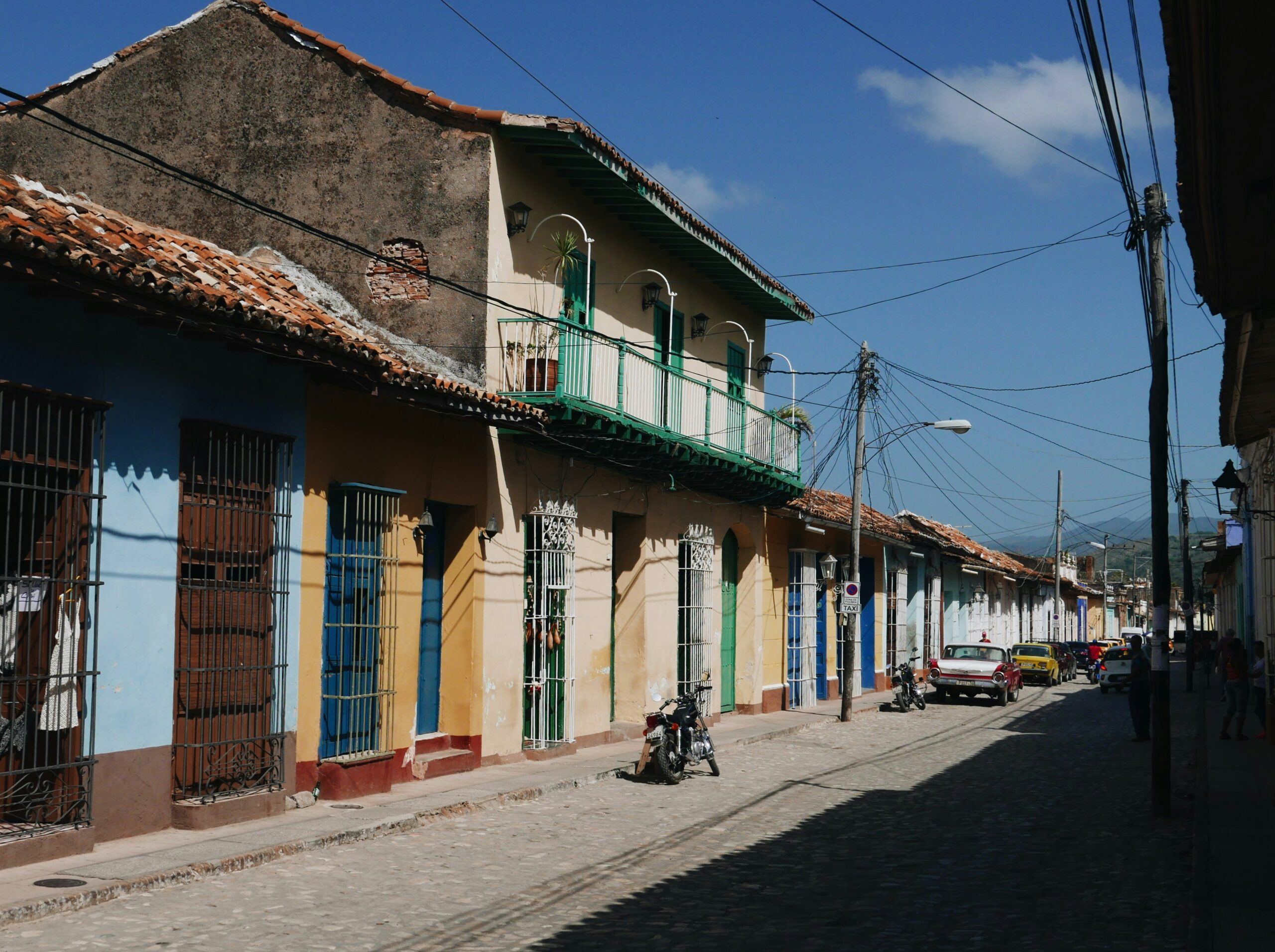
Introduction
umbral is a useful Spanish word that appears in both literal and figurative contexts, and learning it helps English speakers understand many common expressions. This word often shows up in everyday conversation, literature, and even science, so recognizing it can improve comprehension quickly. In this article we will explain the meaning of umbral, show how to pronounce it, compare it to related words, and give clear example sentences with translations. Whether you are studying Spanish in school, traveling, or reading Spanish texts, knowing umbral will make it easier to follow descriptions about thresholds, beginnings, or limits. The explanations are simple and aimed at middle school level learners, while still giving enough detail for older students and adults to use the word naturally.
Meaning and Definition
umbral in Spanish primarily means threshold, the physical piece at the bottom of a doorway or the line you cross when entering a room. Beyond the literal sense, umbral is widely used in a figurative way to mean the point where one thing begins or where something changes, such as the threshold of pain, awareness, or a new stage in life. It can refer to a limit, a beginning, or a critical point that must be reached to produce an effect.
The word comes from Latin roots related to doors and coverings, and it appears in several Romance languages with similar forms and meanings. In Spanish, the most common uses are the physical architectural threshold and the metaphorical threshold used in expressions like reaching the threshold of tolerance or the threshold of a new era.
Usage and Example Sentences
Spanish: El gato se quedó en el umbral de la puerta.
English: The cat stayed on the threshold of the door.
Spanish: Estamos en el umbral de una nueva era tecnológica.
English: We are on the threshold of a new technological era.
Spanish: El dolor llegó al umbral que podía soportar.
English: The pain reached the threshold he could bear.
Spanish: Cruzó el umbral de la casa y sintió nostalgia.
English: She crossed the threshold of the house and felt nostalgia.
Spanish: La compañía está cerca del umbral de rentabilidad.
English: The company is close to the threshold of profitability.
Spanish: Para que su idea funcione, debe superar un umbral técnico importante.
English: For his idea to work, it must overcome an important technical threshold.
Spanish: En el experimento, los datos mostraron un umbral claro de reacción.
English: In the experiment, the data showed a clear threshold of reaction.
Spanish: Sentí que estaba en el umbral de tomar una decisión importante.
English: I felt I was on the threshold of making an important decision.
Synonyms, Antonyms, and Word Usage Differences
Synonyms: puerta, entrada, dintel (more specific to lintel or top of a door), borde, límite. While puerta and entrada refer to the door or entry itself, umbral emphasizes the threshold line or point you cross. Dintel refers to the horizontal beam above a door and is not interchangeable with umbral.
Antonyms: salida (exit), final, término, cima (top). These words point to endings or exits rather than beginnings or thresholds. For example, cima refers to the top of a hill, opposite the idea of crossing into something new.
Usage differences: Use umbral when talking about the exact point or limit—literal or figurative. If you mean the door itself, puerta is the safer choice. If you mean the very top of an opening, dintel might be relevant in architectural terms. For limits like a measurable boundary (a brightness level, price limit, etc.), umbral is the appropriate technical or figurative term.
Pronunciation and Accent
Pronunciation: The word umbral is pronounced approximately as oom-BRAHL in English phonetics. In IPA notation it is /umˈβɾal/ in careful speech with a voiced bilabial fricative for the b when between vowels; many speakers approximate the b as a [b] sound, giving /umˈbral/.
Stress: The stress falls on the second syllable: um-BRAL. There is no written accent mark because the word follows standard Spanish stress rules for words ending in a consonant other than n or s: when the stress is on the last syllable, no accent mark is needed.
Common pronunciation mistakes: English speakers sometimes pronounce the initial u as a short English uh sound; in Spanish it is a more rounded oo sound, like the u in put but closer to the Spanish vowel. Another common mistake is making the r too soft; the single r between vowels is a tapped r [ɾ], so practice a quick single-tap r instead of a harsh trilled r. Also avoid stressing the first syllable; the stress must be on bral.
Native Speaker Nuance and Usage Context
Native speakers use umbral in both everyday and formal contexts. In casual speech you might hear it when someone talks about stepping into a room, entering an emotional state, or reaching a personal limit. Example: No quería cruzar el umbral de su casa por miedo a recordar cosas, where the word adds a poetic or slightly dramatic tone.
In technical or scientific contexts, umbral is common to describe limits such as detection thresholds, pain thresholds, or activation thresholds. Researchers and journalists will often use umbral when describing measurable points: el umbral de detección, el umbral de rentabilidad, etc.
The word also appears in idiomatic expressions. For example, the phrase cruzar el umbral can mean to begin a new stage in life, carry emotional weight, or mark an important transition. Using umbral instead of a plain word like entrada gives the sentence a more reflective, literary, or precise tone.
Conclusion
In summary, umbral is a versatile Spanish word that refers to a threshold both in a physical and figurative way. It is useful for talking about doorways, limits, beginnings, and critical points in many contexts, from casual conversation to scientific descriptions. Pronunciation focuses on the second syllable and uses a tapped r sound; the IPA /umˈβɾal/ or /umˈral/ can guide correct speaking. When choosing between related words, remember that puerta means door and dintel refers to the top beam, while umbral highlights the crossing point or boundary. Learning umbral will help you understand expressions about change, limits, and entry points, enriching both your vocabulary and your ability to read and listen to natural Spanish.