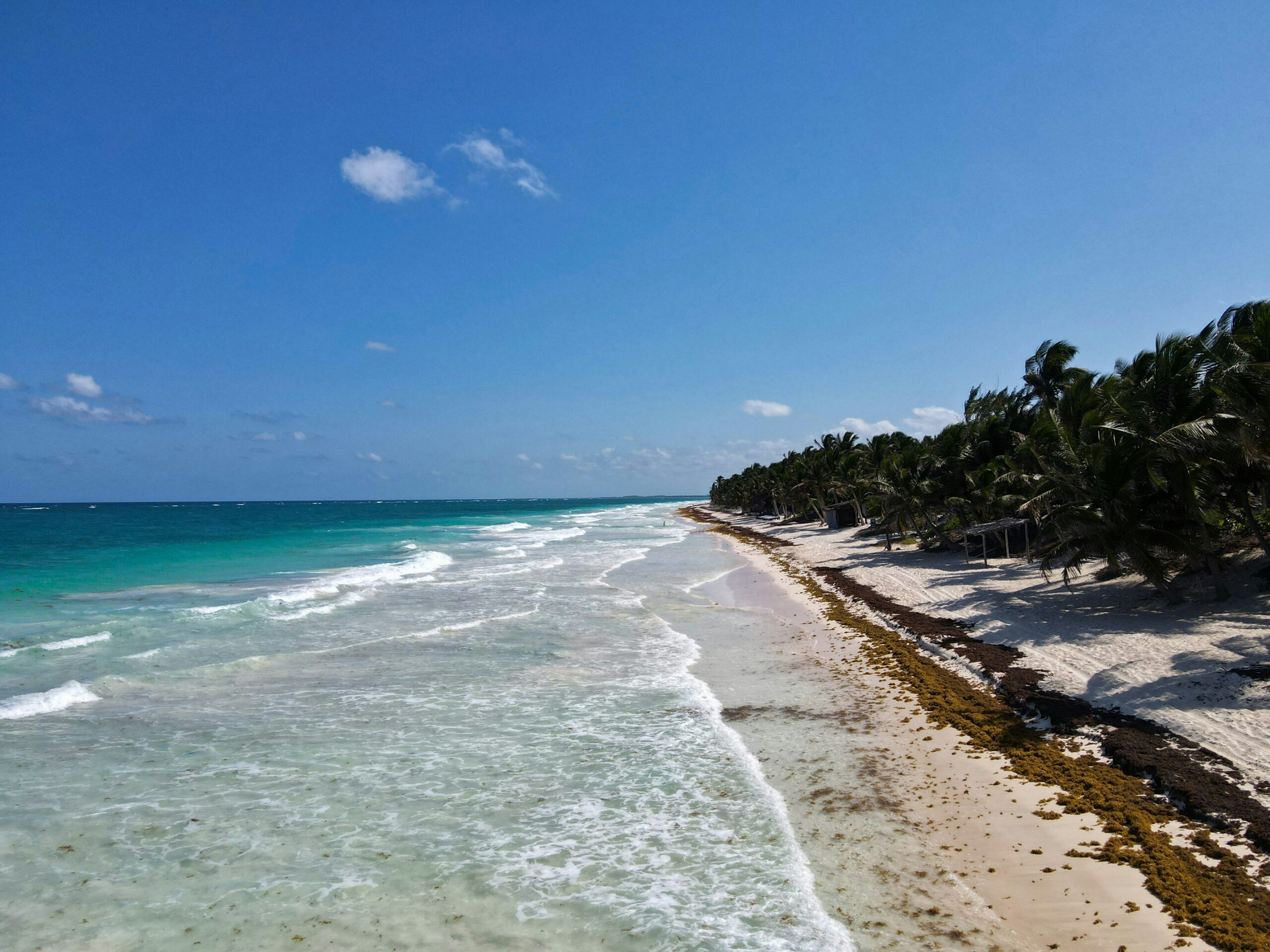
Introduction
Learning verbs is one of the fastest ways to build Spanish fluency. One very useful and common verb is caminar. This verb appears in everyday conversation, travel situations, directions, and descriptions of physical activity. For English speakers, caminar is easy to connect to because it often translates as to walk, but it also carries other uses and idiomatic meanings. In this article you will learn the basic definition, pronunciation, example sentences, related words, and how native speakers use caminar in different contexts. The goal is to make the verb clear and memorable so you can start using it naturally in conversation and reading.
Meaning and Definition
Caminar is a Spanish verb that primarily means to walk, to move on foot from one place to another. It is an -ar regular verb, so it follows the standard conjugation patterns for verbs ending in -ar. The basic nuance is physical movement using the legs at a normal walking pace. Unlike correr, which means to run, caminar implies a steady, usually moderate pace.
Etymology: Caminar comes from Late Latin caminare, related to camin-, a form connected to the idea of a path or journey. Over time the verb kept the core meaning of moving along by foot.
Usage and Example Sentences
Spanish: Yo camino al trabajo todos los días.
English: I walk to work every day.
Spanish: ¿Quieres caminar por el parque esta tarde?
English: Do you want to walk through the park this afternoon?
Spanish: Ellos caminaron cinco kilómetros durante la excursión.
English: They walked five kilometers during the hike.
Spanish: Camina despacio; no tienes prisa.
English: Walk slowly; you are not in a hurry.
Spanish: Los niños caminan en fila cuando cruzan la calle.
English: The children walk in line when they cross the street.
Spanish: Prefiero caminar antes que tomar un taxi.
English: I prefer walking instead of taking a taxi.
Spanish: Ella ha estado caminando mucho para mejorar su salud.
English: She has been walking a lot to improve her health.
Synonyms, Antonyms, and Word Usage Differences
Synonyms: andar, pasear. Andar can mean to walk but is more versatile and often used for movement in general or idiomatic expressions, for example andar en bicicleta means to ride a bike. Pasear usually means to stroll or to walk for pleasure rather than to travel from point A to point B.
Antonyms: correr is a common opposite when comparing walking and running. Also quedarse (to stay) can be an opposite in contexts where movement is contrasted with staying put.
Usage differences: Use caminar when you mean walking as the main action. Use andar when you want more conversational or idiomatic phrasing, or when the context involves moving about without emphasizing the walking motion. Use pasear when the emphasis is on leisure or a pleasant walk. Example: Vamos a pasear por la playa (let’s take a stroll along the beach) versus Voy a caminar al mercado (I’m going to walk to the market).
Pronunciation and Accent
Pronunciation: The approximate English pronunciation of caminar is kah-mee-NAR. Stress falls on the final syllable -nar because the word ends in a consonant other than n or s, but it follows standard Spanish stress rules for infinitives where the natural stress is on the last syllable. The IPA notation is /kamiˈnaɾ/ in many dialects.
Breakdown: ca = /ka/, mi = /mi/, nar = /ˈnaɾ/. The r at the end is a tapped r in many Spanish dialects, pronounced with a quick single tap of the tongue against the roof of the mouth. In some Latin American regions the final r is softer but still tapped.
Common mistakes: English speakers sometimes overemphasize the a or pronounce the final r like an English r. Avoid saying kah-MIN-ar; the stress should be on the last syllable. Also be careful not to confuse the sound of a single r with a rolled rr, which appears in words like carro.
Native Speaker Nuance and Usage Context
Everyday use: Native speakers use caminar frequently for practical descriptions like commuting, exercise, or giving directions. For example, when someone asks how to get somewhere they might say camina hasta la esquina (walk to the corner).
Formal vs informal: Caminar is neutral and appropriate in both formal and informal contexts. In casual conversation, people may prefer andar or pasear depending on nuance, but caminar remains clear and widely understood.
Idiomatic uses: Caminar can appear in idioms or figurative language. For instance, caminar en círculos can mean to be stuck in a routine or to not make progress, similar to walking in circles in English. In some contexts, especially in literature or reflective speech, caminar evokes a journey or personal progress beyond the literal act of walking.
Regional notes: Most Spanish-speaking regions use caminar with the same basic meaning. However, casual speech in parts of Spain and Latin America might favor andar for certain expressions, and pasear is very common for leisure walks. Pay attention to local preferences but you will be understood using caminar almost anywhere.
Conclusion
In short, caminar is a fundamental and regular Spanish verb meaning to walk. It is easy to conjugate, widely used, and useful in daily conversation, travel, and health-related contexts. Pronounce it as /kamiˈnaɾ/ with stress on the final syllable and a tapped r. Remember the differences between similar words: usar pasear for leisurely strolls and andar for broader or idiomatic movement. Practicing example sentences, listening to native speakers, and using caminar in simple daily phrases will help you internalize the verb quickly. With regular use, caminar becomes a reliable word to describe movement and many everyday actions in Spanish.