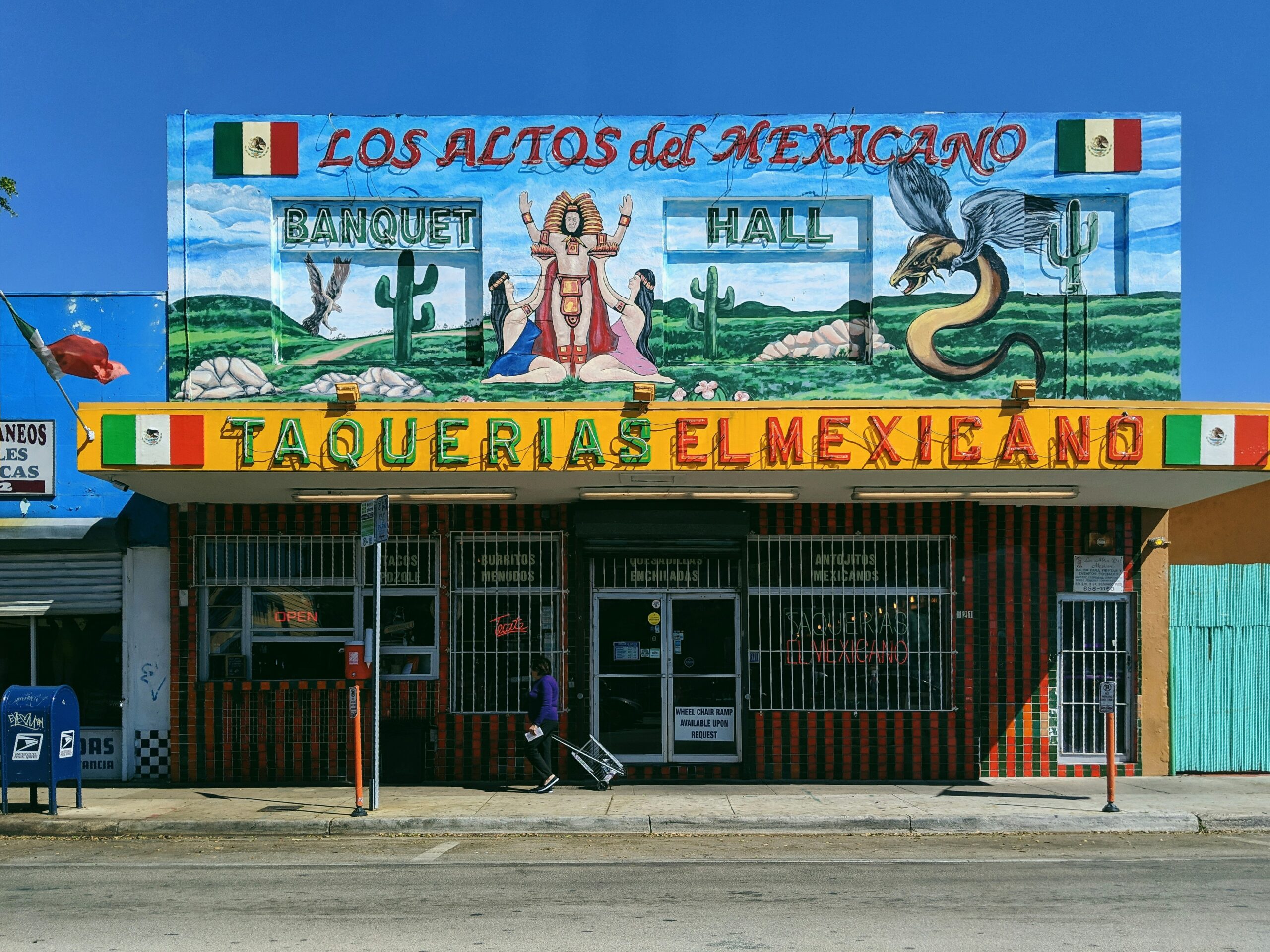
Introduction
Waiting rooms are common environments in Spanish-speaking countries, whether you find yourself at a doctor’s office, a government agency, a business establishment, or any other service location. Learning essential Spanish phrases for waiting rooms is crucial for anyone traveling to or living in a Spanish-speaking region. This article provides comprehensive guidance on the most useful expressions and vocabulary you’ll encounter and need to use in these settings. Whether you’re a beginner or intermediate Spanish learner, mastering these phrases will help you navigate waiting room situations with confidence and ease.
Why Learning Waiting Room Spanish Matters
Waiting rooms represent a unique linguistic environment where you may interact with receptionists, administrative staff, and other patients or clients. Unlike casual conversation, waiting room interactions typically follow specific protocols and use formal or semi-formal language. Understanding the phrases commonly used in these spaces allows you to check in properly, ask important questions, and communicate your needs effectively. This practical vocabulary is often overlooked in traditional Spanish courses, yet it’s invaluable for real-world situations.
Essential Check-In Phrases
Greeting and Announcing Your Arrival
When you enter a waiting room, your first interaction is usually with a receptionist or administrative staff member. The phrase Buenos días or Buenas tardes (good morning or good afternoon) is your standard greeting. Following this, you’ll want to announce why you’re there. A simple and effective expression is Tengo una cita, which means I have an appointment. For example, you might say: Tengo una cita a las tres de la tarde (I have an appointment at three in the afternoon).
If you need to provide more detail, you can use Tengo una cita con (I have an appointment with) followed by the person’s name or title. For instance, Tengo una cita con la Dra. García means I have an appointment with Dr. García. Another common phrase is Vengo a (I’m here to) followed by the purpose of your visit, such as Vengo a un examen médico (I’m here for a medical exam).
Providing Your Information
After greeting the staff, they’ll likely ask for your details. Be prepared to provide your nombre (name) and possibly your apellido (last name). You might hear Cuál es su nombre? (What is your name?) or Cómo se llama? (What are you called?). Respond simply with Me llamo followed by your name, or use Soy followed by your name.
You may also be asked for identificación (identification) or documento de identidad (identity document). Sometimes staff will request your número de identificación (identification number) or número de teléfono (phone number). Having these details ready demonstrates preparation and respect for the administrative process.
Polite Requests and Questions
Asking About Wait Times
One of the most common questions in waiting rooms is about how long you’ll need to wait. The phrase Cuánto tiempo hay que esperar? directly translates to How long do I have to wait? Alternatively, you can ask Cuánto tiempo más? (How much longer?) if you’ve already been waiting.
A more polite variation is Podría decirme cuánto tiempo aproximadamente? (Could you tell me approximately how long?). Staff members typically respond with expressions like Son unos veinte minutos (It’s about twenty minutes) or Debería ser pronto (It should be soon).
Asking for Assistance
If you need help or clarification while waiting, use Disculpe (excuse me) to get someone’s attention politely. Then you can ask your question. For example, Disculpe, dónde está el baño? (Excuse me, where is the bathroom?) is a frequently needed question in waiting rooms. The bathroom is essential information, and knowing how to ask is practical and necessary.
Another useful phrase is Necesito ayuda (I need help), which you can follow with specific information about what you need. For instance, Necesito ayuda con este formulario (I need help with this form) shows that you’re making an effort to communicate clearly in Spanish.
Vocabulary for Common Waiting Room Activities
Filling Out Forms
Many waiting rooms require you to complete formularios (forms). Common form-related vocabulary includes rellenar (to fill out), firma (signature), and fecha (date). You might hear Por favor, rellene este formulario (Please fill out this form) or Necesito su firma aquí (I need your signature here).
If you don’t understand a question on a form, ask Qué significa esto? (What does this mean?) or No entiendo esta pregunta (I don’t understand this question). Spanish speakers in service industries are generally accustomed to helping non-native speakers with form completion.
Discussing Duration and Appointment Details
You may need to know about the expected duración (duration) of your appointment or consultation. Phrases like Cuánto tiempo durará? (How long will it last?) or Cuánto tiempo me llevará? (How long will it take me?) are appropriate questions. Knowing this helps you plan your time and manage other commitments.
Understanding when you’ll be llamado (called) or when it will be your turno (turn) is also important. Turno is a key word in Spanish waiting rooms, referring to your place in queue. Staff may say Es su turno, señor (It’s your turn, sir) or Será el próximo (You’ll be next).
Expressing Comfort and Discomfort
Basic Comfort Statements
While waiting, you may want to express how you’re feeling. Estoy cómodo/cómoda (I’m comfortable) or No estoy cómodo/cómoda (I’m not comfortable) are straightforward expressions. Depending on your gender, you’ll adjust the ending: use the masculine form if you identify as male or prefer that form, and the feminine form if you identify as female or prefer that form.
If you’re experiencing physical discomfort, you might say Me duele (It hurts me) followed by the body part. For example, Me duele la cabeza (I have a headache) or Me duele la espalda (My back hurts). This information is valuable for staff to understand your situation.
Temperature and Environmental Comfort
Commenting on environmental comfort is also common. Hace calor (It’s hot) or Hace frío (It’s cold) are useful observations if you want to mention that the room temperature is uncomfortable. Similarly, Hay mucho ruido (It’s very noisy) can be used if the waiting room is particularly loud.
If you need specific adjustments, you can politely request them with phrases like Podría abrir una ventana? (Could you open a window?) or Podría subir/bajar la temperatura? (Could you raise/lower the temperature?). Most facilities aim to make waiting areas comfortable for clients.
Handling Delays and Problems
Addressing Extended Waits
If your wait extends longer than expected, you have the right to inquire. The phrase Hay un retraso? (Is there a delay?) is a neutral way to ask if something is taking longer than normal. A more direct approach would be Parece que estamos esperando mucho tiempo (It seems like we’re waiting a long time).
If you need to leave, you can say No puedo esperar más (I can’t wait any longer) or Necesito reprogramar mi cita (I need to reschedule my appointment). Using reprogramar shows you want to reschedule rather than cancel, which is usually well-received.
Reporting Problems or Concerns
If you encounter a problem in the waiting room, use Tengo un problema (I have a problem) or Hay un problema (There’s a problem). Follow this with clarification. For instance, Tengo un problema con mi formulario (I have a problem with my form) or Hay un error en mis datos (There’s an error in my information).
For accessibility issues or special needs, you can state Necesito (I need) followed by what you require. Examples include Necesito una silla más cómoda (I need a more comfortable chair) or Necesito un intérprete (I need an interpreter). Communicating your needs ensures the facility can better assist you.
Professional and Courteous Language
Using Formal Address
In waiting rooms, especially in medical or governmental settings, use usted (formal you) rather than tú (informal you) unless invited to do otherwise. This maintains professional respect. Phrases like Por favor (please), Gracias (thank you), and De nada (you’re welcome) are essential for courteous interaction.
When addressing staff, use titles like señor (sir), señora (ma’am), doctor (doctor), or enfermera (nurse). For instance, Gracias, señora (Thank you, ma’am) shows respect and proper social etiquette in Spanish-speaking cultures.
Expressing Gratitude and Appreciation
Throughout your waiting room experience, expressing gratitude is important. Beyond basic Gracias (Thank you), you can use Muchas gracias (Thank you very much) or Le agradezco su paciencia (I appreciate your patience). These phrases demonstrate respect and create a positive interaction dynamic.
If someone helps you particularly well, saying Usted es muy amable (You are very kind) or Gracias por su ayuda (Thank you for your help) acknowledges their assistance meaningfully. In Spanish-speaking cultures, politeness and appreciation are highly valued.
Common Phrases Quick Reference
To summarize the most practical phrases for waiting room situations: Tengo una cita (I have an appointment), Cuánto tiempo hay que esperar? (How long do I have to wait?), Disculpe, dónde está el baño? (Excuse me, where is the bathroom?), No entiendo (I don’t understand), Necesito ayuda (I need help), Gracias por su paciencia (Thank you for your patience), and Es su turno (It’s your turn).
These phrases cover the majority of interactions you’ll encounter. Practicing pronunciation and understanding context will enhance your confidence in actual waiting room situations. Remember that most staff members appreciate genuine attempts to communicate in Spanish, even if your language skills are still developing.
Conclusion
Mastering Spanish phrases for waiting rooms equips you with practical communication tools for real-world situations in Spanish-speaking environments. From initial check-in with polite greetings and appointment confirmation, through managing your comfort and handling potential delays, these essential expressions enable you to navigate waiting areas confidently. Using formal language, expressing gratitude, and asking clear questions demonstrates respect for Spanish-speaking staff and facilitates smooth interactions. Whether you’re visiting a medical office, government agency, or business establishment, the phrases covered in this article provide a strong foundation for communicating your needs effectively. With consistent practice and exposure to actual waiting room environments, these expressions will become natural parts of your Spanish communication repertoire, enhancing your overall language learning journey.