Introduction
Writing descriptive passages about places in Spanish is one of the most rewarding skills you can develop as a language learner. Whether you are penning travel narratives, crafting fictional settings, or simply describing your favorite locations, the ability to paint vivid pictures with words elevates your Spanish writing from basic to captivating. In this comprehensive guide, we will explore practical techniques and vocabulary strategies that will help you transform flat descriptions into rich, detailed portrayals of Spanish-speaking destinations and imaginary worlds alike. By mastering the art of detailed spatial writing, you will not only improve your Spanish communication but also deepen your appreciation for the language’s descriptive possibilities.
- Understanding the Foundation: Sensory Details in Spanish
- Mastering Spatial Organization and Structure
- Choosing Powerful Adjectives and Descriptive Phrases
- Incorporating Movement and Life Into Static Descriptions
- Weaving in Cultural and Historical Context
- Practical Writing Exercises for Improvement
- Conclusion
Understanding the Foundation: Sensory Details in Spanish
The Five Senses as Your Writing Toolkit
Effective place descriptions engage the reader’s senses, making them feel as though they are experiencing the location firsthand. In Spanish, this means going beyond simple statements like el lugar es hermoso (the place is beautiful) and instead employing language that captures what someone would see, hear, smell, taste, and feel in that space.
Consider how you would describe a busy Spanish marketplace. Rather than saying it is crowded and loud, you might write: El mercado rebosa de vida, con vendedores que gritan sus precios mientras el aroma de especias y frutas frescas flota en el aire caliente. Notice how this version invokes sight (the bustling activity), sound (vendors shouting), and smell (spices and fresh fruit) simultaneously. This multisensory approach creates a more immersive experience for your reader.
Building a Sensory Vocabulary Bank
To write with stronger details, you need specific vocabulary for each sense. Rather than relying on generic adjectives, learn precise terms that convey exactly what you want to express. For visual descriptions, instead of using bonito (pretty) repeatedly, explore alternatives like radiante (radiant), deslumbrante (dazzling), or sombrío (shadowy). For auditory details, move beyond ruidoso (noisy) to ensordecedor (deafening), susurrante (whispering), or melodioso (melodious).
Maintain a dedicated notebook where you collect sensory descriptors organized by sense and category. This resource becomes invaluable when you are drafting descriptions and want to avoid repetitive language while maintaining authenticity.
Mastering Spatial Organization and Structure
The Zoom Technique
One powerful method for organizing place descriptions is the zoom technique, which guides your reader through a location from broad overview to intimate detail. Begin by establishing the general atmosphere or overall impression, then gradually narrow your focus to specific elements.
For example, you might start with: La plaza colonial resplandecía bajo el sol de la tarde, sus edificios históricos proyectando sombras alargadas sobre las piedras gastadas. Then zoom in further: En el centro, una fuente de agua cristalina reflejaba el cielo azul, mientras turistas descansaban en los bancos de hierro forjado alrededor. Finally, focus on minute details: Una anciana vendía flores de papel de colores brillantes, sus manos ágiles enrollando cada tallo con precisión experta.
Using Spatial Prepositions Effectively
Strong spatial writing relies on precise preposiciones (prepositions) to orient your reader within a location. Master common spatial prepositions like entre (between), a través de (through), alrededor de (around), debajo de (beneath), sobre (above), and frente a (facing). These words create a mental map for your reader.
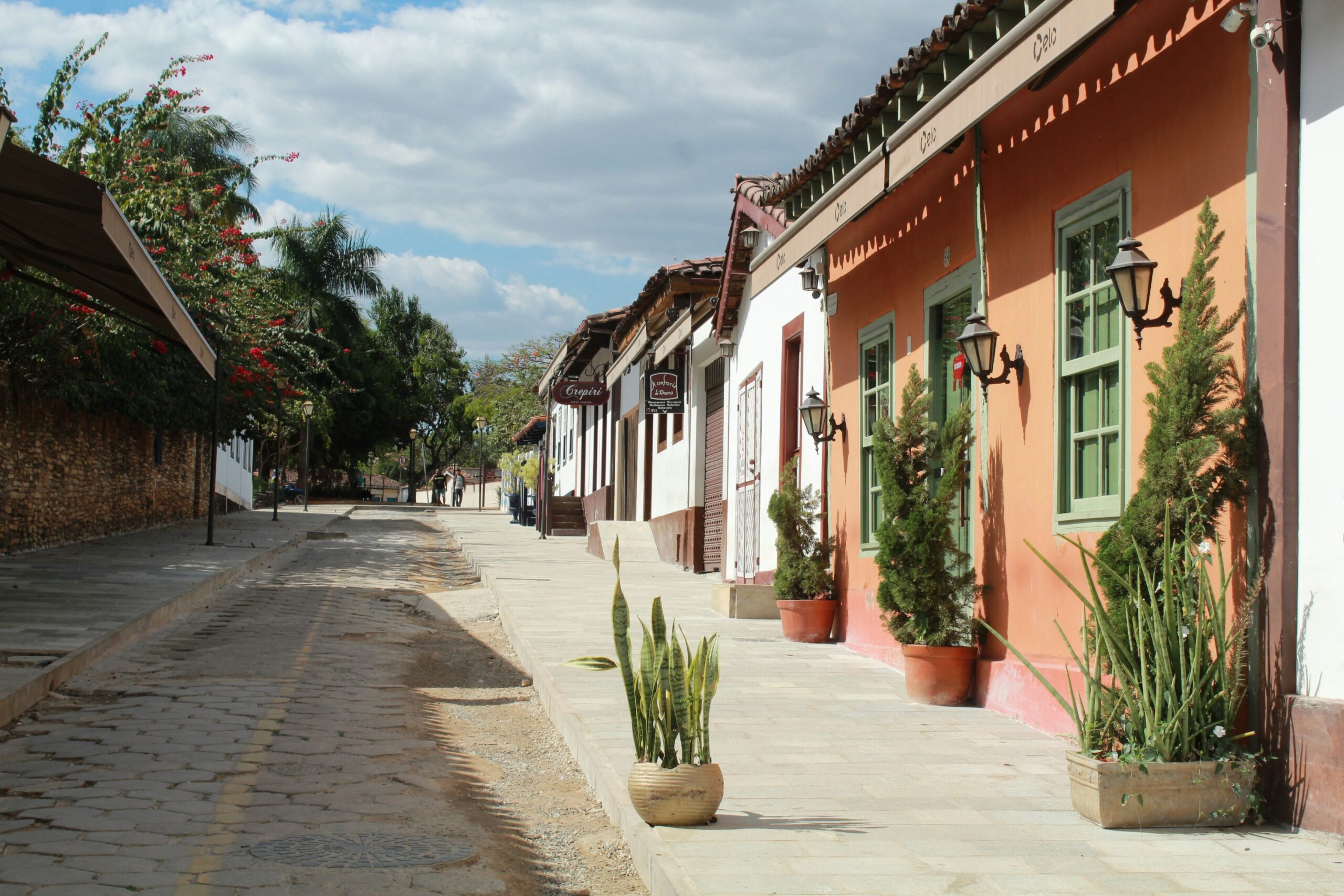
Instead of writing that buildings are near a street, write: Los edificios coloniales se alineaban frente a la calle empedrada, sus balcones de madera tallada proyectándose sobre las aceras estrechas. This construction using se alineaban frente a paints a clearer picture than simpler phrasing.
Choosing Powerful Adjectives and Descriptive Phrases
Moving Beyond Basic Adjectives
English learners often rely on the most common Spanish adjectives simply because they know them well. However, stronger writing demands more sophisticated word choices. Consider the difference between describing a beach as grande (big) versus extenso (expansive) or even interminable (seemingly endless).
Study how professional Spanish authors describe places. Notice patterns in their word selection and grammatical structures. For instance, rather than el cielo estaba azul (the sky was blue), you might encounter el cielo azul se extendía sin límites (the blue sky stretched endlessly) or un cielo de un azul profundo y despejado (a sky of deep, clear blue).
Using Metaphors and Comparisons
Comparisons and metaphors elevate descriptive writing by creating unexpected connections between familiar and unfamiliar elements. In Spanish, this is often achieved using como (like/as) or metáforas (metaphors) constructed with the verb ser.
Examples might include: Las montañas eran gigantes dormidos cubiertos de nieve (The mountains were sleeping giants covered in snow) or Las calles de la ciudad se retorcían como serpientes entre los edificios antiguos (The city streets twisted like serpents between ancient buildings). These comparisons make abstract concepts concrete and memorable.
Incorporating Movement and Life Into Static Descriptions
Using Dynamic Verbs
Places are not static; they contain movement and energy. Rather than settling for hay (there is) constructions, employ dynamic verbs that suggest action and vitality. Verbos dinámicos (dynamic verbs) like fluir (to flow), trepar (to climb), danzar (to dance), and serpentear (to wind) create a sense of place as a living entity.
Compare: Hay gente en la calle (There are people in the street) with La gente fluye por la calle, entrando y saliendo de las tiendas con propósito decidido (People flow through the street, entering and leaving shops with determined purpose). The second version captures the energy of a place.
Capturing Temporal Dimension
Places change throughout the day, seasons, and over longer periods. Incorporate this temporal dimension by noting how locations transform. Write about how morning light differs from evening light, or how weather patterns affect a place. This adds depth and reflects how we actually experience spaces.
For example: El parque por la mañana era tranquilo, con pájaros cantando en los árboles y la hierba brillante de rocío. Pero al atardecer, el mismo parque se transformaba en un lugar de encuentro social, lleno de música, risa, y el aroma del café recién hecho.
Weaving in Cultural and Historical Context
Adding Depth Through Background Information
The strongest place descriptions often include subtle references to the cultural or historical significance of a location. This does not require lengthy exposition but rather well-placed details that suggest why a place matters.
Instead of simply describing colonial architecture, you might write: Los balcones de hierro forjado, herencia de la ocupación española, contrrastaban con los motivos indígenas tallados en las puertas de madera. This brief mention enriches the description by providing context.
Using Cultural Objects and Practices
References to costumbres (customs), local activities, or regional practices make descriptions more authentic and engaging. If you are describing a Spanish city plaza, mention whether it is used for evening paseos (evening strolls) or specific festivals. These details ground your description in cultural reality.
Practical Writing Exercises for Improvement
The Focused Description Challenge
Choose a single location and write five different descriptions, each focusing on one sense. First, describe only what you see; second, only what you hear; third, only smells; fourth, tactile sensations; and fifth, any taste elements if relevant. Then combine these into one cohesive paragraph that naturally weaves all senses together.
The Revision Exercise
Take a place description you have written and identify every instance of ser, estar, and hay. Challenge yourself to replace at least half of these constructions with more dynamic alternatives that convey similar information with greater specificity and energy.
Conclusion
Writing about places in Spanish with stronger details requires intentional practice and a commitment to expanding your vocabulary and grammatical range. By engaging your reader’s senses, employing dynamic verbs, organizing descriptions with clear spatial logic, and choosing precise, evocative language, you transform basic descriptions into compelling narratives that transport readers to the locations you are depicting. The techniques covered in this article—from the zoom method to sensory vocabulary building to metaphorical language—provide concrete tools you can apply immediately. As you continue learning Spanish, dedicate time to reading descriptions written by native Spanish authors, analyzing their choices, and experimenting with similar techniques in your own writing. Over time, this practice will become natural, allowing you to craft descriptions that capture not just how a place looks, but how it feels to be there.