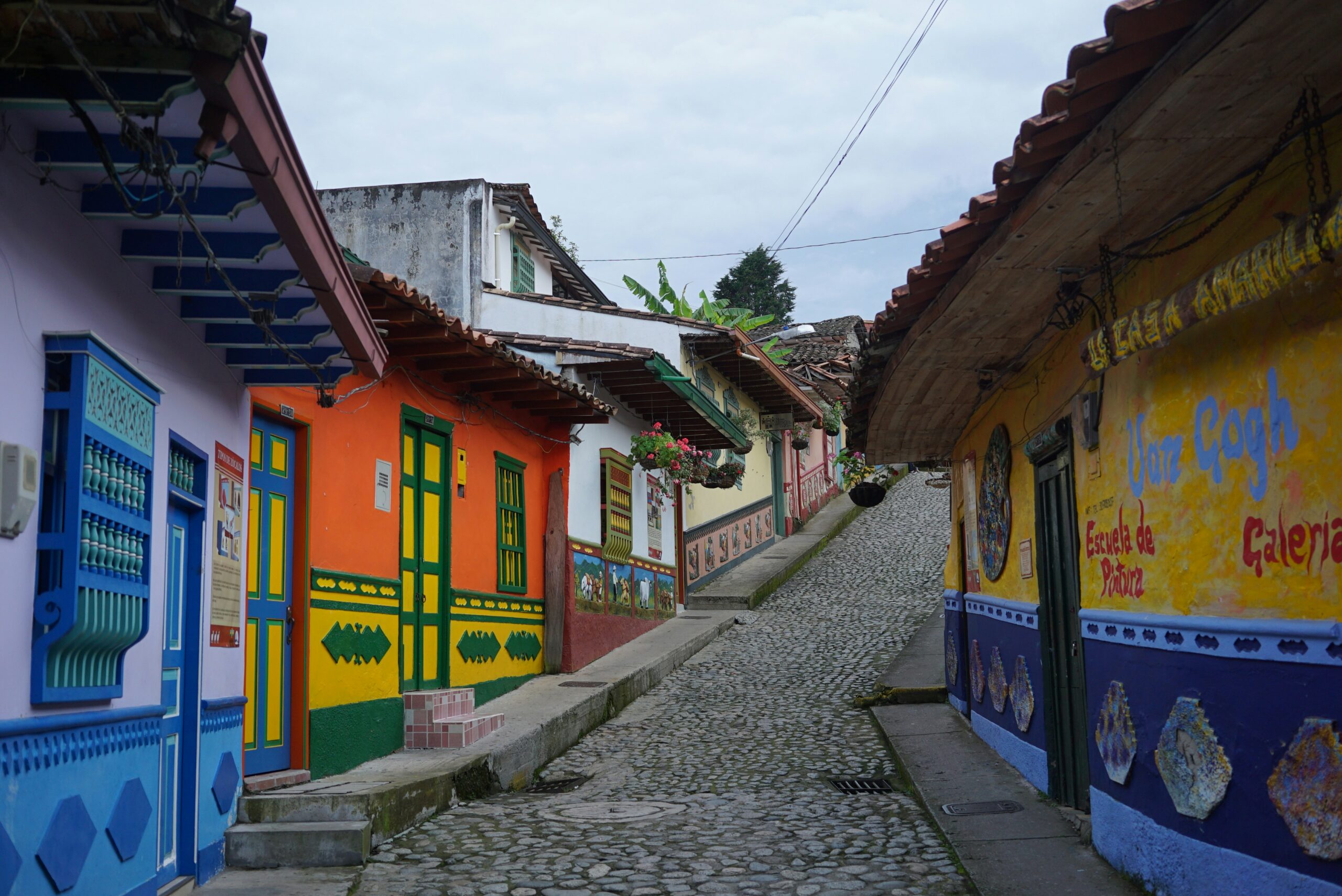
Introduction
When learning Spanish, one of the first phrases many students encounter is how to talk about taking a shower. In English, we simply say take a shower, but in Spanish, the situation is more nuanced than it might first appear. The phrase tomo una ducha, which literally translates to I take a shower, is indeed correct Spanish. However, the way Spanish speakers across different regions express this everyday action varies considerably. This regional variation reflects the rich diversity of the Spanish language across Spain, Latin America, and other Spanish-speaking communities. Understanding these differences not only helps you speak more naturally with native speakers from various backgrounds but also deepens your appreciation for how language adapts and evolves across geographical boundaries. In this comprehensive guide, we will explore why tomo una ducha is just one of several ways to express this common activity, and how regional preferences shape Spanish communication in different parts of the world.
Understanding the Basic Expression
The Standard Phrase
The phrase tomo una ducha is composed of three essential elements. First, tomo is the first-person singular present indicative form of the verb tomar, which means to take. Second, una is the feminine indefinite article, meaning a or an. Third, ducha is a feminine noun that means shower. When combined, tomo una ducha creates a straightforward sentence meaning I take a shower.
This structure is grammatically correct throughout the Spanish-speaking world. In fact, if you use this phrase in Spain, Mexico, Argentina, Colombia, or anywhere else Spanish is spoken, native speakers will understand you perfectly. The verb tomar is a regular first-conjugation verb, making it one of the easiest verbs for beginners to learn. Its conjugation follows predictable patterns, which is why it appears in so many basic Spanish textbooks and learning materials.
Why This Phrase Is Universal
The reason tomo una ducha works everywhere is that it uses internationally recognized Spanish vocabulary and grammar. The verb tomar is understood across all Spanish-speaking regions, and ducha is the standard term for shower in most places. This universal applicability makes it the safe choice for learners who may not yet be familiar with regional variations and colloquialisms.
Regional Variations in Expression
Spain and the Use of Shower
In Spain, particularly in the central and northern regions, tomo una ducha is indeed the most common and preferred way to express taking a shower. Spanish speakers in Madrid, Barcelona, Bilbao, and other major Spanish cities use this phrase regularly in conversation. Additionally, some Spanish speakers, especially in certain regions, might use the verb ducharme, which means to shower, resulting in phrases like me ducho, meaning I shower. Both forms are equally valid in Spain, though tomo una ducha may be slightly more formal or traditional in tone.
The Spanish preference for tomo una ducha reflects a linguistic tradition where tomar is used with many activities and objects. Spanish speakers in Spain might say tomo un café (I take a coffee) or tomo un descanso (I take a break), showing how tomar functions as a versatile verb in everyday speech.
Mexico and Central America
In Mexico and much of Central America, the situation differs slightly from Spain. While tomo una ducha is certainly understood and used, many Mexican Spanish speakers prefer the reflexive verb ducharme. This results in the phrase me ducho, which means I shower myself or simply I shower. The reflexive construction is more commonly heard in everyday conversation in Mexico City, Guadalajara, and other major Mexican cities.
Additionally, in some parts of Mexico and Central America, particularly in more rural or indigenous communities, you might hear the word regadera used instead of ducha for the shower itself. This would result in phrases like me ducho en la regadera. The term regadera literally refers to a watering can, which humorously reflects how showers functioned in earlier times in these regions.
Argentina and the Southern Cone
In Argentina, Uruguay, and Paraguay, the phrase tomo una ducha is understood and used, but you will also hear me ducho frequently in casual conversation. Argentine Spanish speakers, known for their distinctive accent and vocabulary choices, tend to favor the reflexive form. However, the region has its own unique vocabulary variations. Some older Argentine speakers or those from certain provinces might occasionally use me baño (I bathe) even when referring to a shower rather than a bath, though this usage is becoming less common among younger generations.
Colombia and Venezuela
Colombian and Venezuelan Spanish speakers commonly use both tomo una ducha and me ducho interchangeably. However, in colloquial speech, you might also encounter the verb bañarme, meaning to bathe, used to describe taking a shower. This reflects a linguistic overlap where the distinction between bathing and showering is sometimes blurred in everyday language. The phrase me baño (I bathe) might be used to mean either taking a bath or a shower, depending on context.
The Reflexive Verb Alternative
Understanding Reflexive Verbs
The reflexive verb ducharse deserves special attention because it represents an alternative to the tomar una ducha construction. Reflexive verbs in Spanish are verbs where the action is performed by the subject on themselves. The reflexive pronoun changes depending on the subject: me (I), te (you informal), se (he/she/you formal), nos (we), os (you all informal in Spain), and se (they/you all formal).
The present tense conjugation of ducharse follows these patterns:
Yo me ducho (I shower)
Tú te duchas (You shower)
Él/Ella/Usted se ducha (He/She/You formal shower)
Nosotros nos duchamos (We shower)
Vosotros os ducháis (You all shower in Spain)
Ellos/Ellas/Ustedes se duchan (They/You all shower)
When to Use the Reflexive Form
The reflexive form ducharse is preferred in many casual, everyday contexts across Latin America. It is shorter and more direct than tomo una ducha, making it more natural for rapid conversation. When someone asks ¿Qué haces? (What are you doing?), a native speaker might respond with Me ducho (I am showering) rather than Tomo una ducha.
However, tomo una ducha remains perfectly acceptable and is often considered slightly more formal or complete. This makes it an excellent choice for written communication, formal presentations, or when you want to be especially clear and precise.
Why Regions Differ in Their Preferences
Historical and Cultural Influences
The regional variations in how Spanish speakers express taking a shower are rooted in historical and cultural factors. Spain’s Spanish was influenced by centuries of linguistic development within the Iberian Peninsula, while Latin American Spanish developed separately after colonization and has been shaped by indigenous languages, African influences, and unique regional development paths.
Different regions have prioritized different verbs and vocabulary based on their historical experience. The availability and nature of bathing facilities in different eras also influenced language development. In regions where showers were less common historically, the vocabulary for showering might have developed differently or borrowed from other linguistic sources.
Social and Generational Factors
Beyond geography, social class and generational differences also play a role. Younger Spanish speakers across all regions tend to use the reflexive ducharse more frequently, as it represents more modern, casual speech patterns. Older speakers, particularly in Spain, may prefer the more formal tomo una ducha. Educational level can also influence preferences, with more educated speakers sometimes favoring the tomar construction due to formal education emphasizing standard Spanish.
Media and Language Standardization
Television, radio, and now streaming media have created some standardization across regions, but they have also reinforced regional preferences. Spanish-language media from Spain tends to use certain expressions, while Mexican, Argentine, and Colombian media use others. As Spanish learners consume media from different regions, they naturally absorb these regional preferences.
Practical Advice for Spanish Learners
Which Form Should You Use?
For beginners, learning tomo una ducha is advisable because it is universally understood and uses basic vocabulary and grammar that you will be learning anyway. The phrase demonstrates proper use of the indefinite article, a regular verb, and a common noun. As you progress to intermediate levels, you should learn the reflexive verb ducharse and understand that native speakers often prefer me ducho in casual conversation.
The best approach is to be flexible. Use tomo una ducha when you are uncertain about regional preferences or in formal contexts. When speaking with native speakers from a particular region, listen to how they express this action and adopt their preferred form. This demonstrates respect for regional variation and helps you sound more natural.
Common Related Phrases
Understanding related vocabulary will help you navigate daily routines in Spanish. You should learn el baño (the bathroom), bañarme (to bathe), lavarse (to wash oneself), and el jabón (soap). These words frequently appear alongside shower-related conversations. Additionally, learning time expressions like por la mañana (in the morning) and por la noche (at night) will help you describe when you shower.
Conclusion
The phrase tomo una ducha is correct, universally understood Spanish, but regional preferences across Spain, Mexico, Argentina, Colombia, and other Spanish-speaking countries often favor alternative expressions like me ducho. These variations do not reflect errors or incorrectness but rather reflect the natural linguistic diversity that makes Spanish such a rich and dynamic language. By understanding both the standard expression and regional alternatives, learners can communicate effectively with Spanish speakers from different backgrounds while also appreciating the cultural nuances embedded in language. Whether you choose tomo una ducha or me ducho, both will be understood, but knowing the regional preferences helps you sound more natural and culturally aware. Continue exploring regional variations as you advance your Spanish skills, and do not hesitate to use tomo una ducha confidently, knowing it serves as a bridge across all Spanish-speaking communities worldwide.