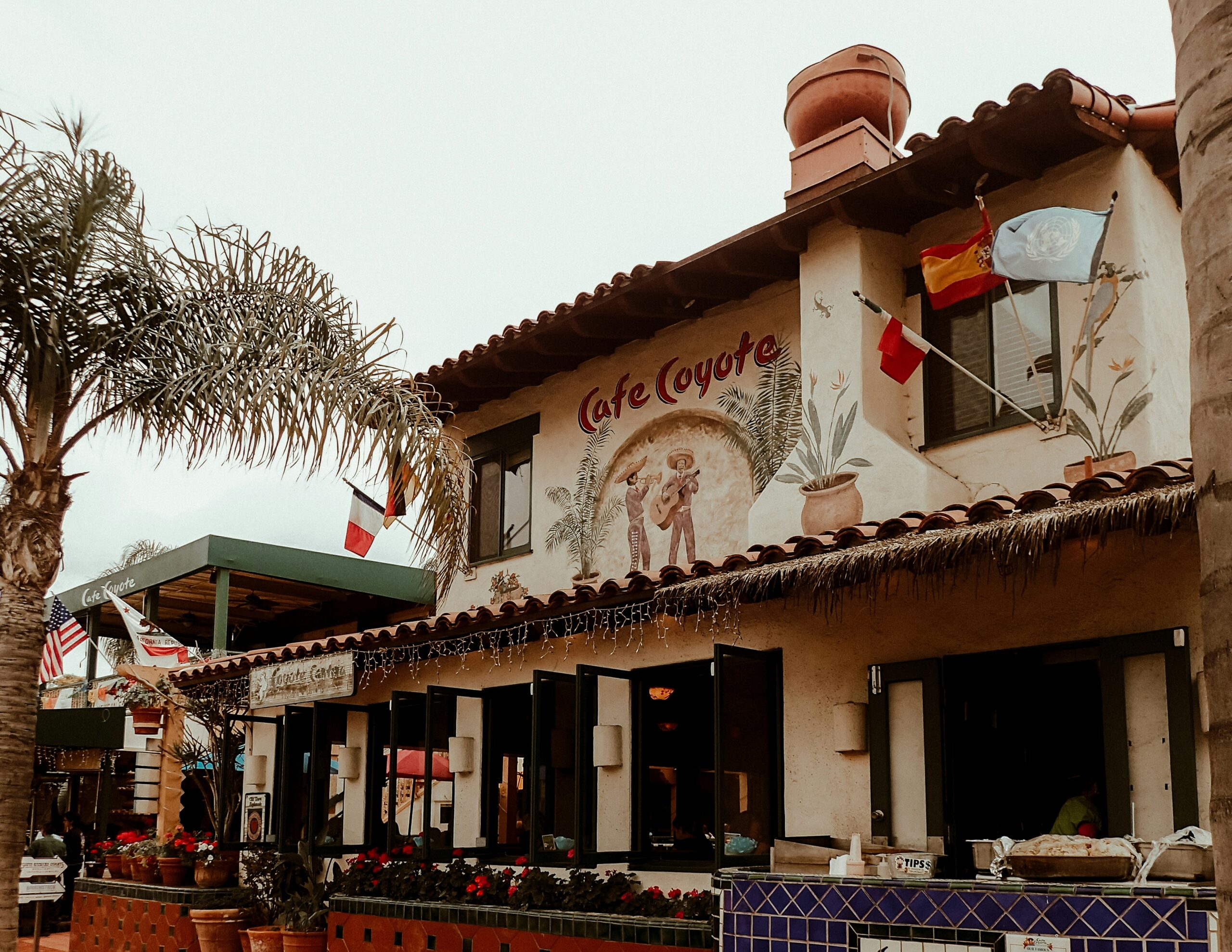
Introduction
When you are ordering food at a Spanish-speaking restaurant or café, one of the most common questions you might hear is whether you want your order to go. This simple but essential phrase appears frequently in everyday dining situations across Spanish-speaking countries. Understanding how to respond appropriately to this question will help you navigate restaurant interactions smoothly and communicate your preferences clearly. Whether you are a beginner Spanish learner or someone looking to refine your conversational skills, knowing the right phrases to respond when asked if you want your food to go is incredibly practical and useful. This article will guide you through the various ways to answer this common question, along with additional context and cultural insights that will enhance your Spanish communication abilities.
- Understanding the Question: Para Llevar or Para Aquí
- The Most Common Response: Para Llevar
- Saying You Want to Eat There: Para Aquí
- Additional Polite Ways to Respond
- Responding in Different Contexts
- Cultural and Regional Variations
- Complete Dining Interaction Examples
- Tips for Natural-Sounding Responses
- Conclusion
Understanding the Question: Para Llevar or Para Aquí
Before we explore how to respond, it is important to understand what question is being asked. In Spanish, restaurant staff typically ask one of two phrases when taking your order. The most common one is ¿Para llevar o para aquí? which literally translates to Do you want it to go or to eat here? Another variation you might hear is ¿Lo quieres para llevar? which means Do you want it to go?
In some regions, particularly in Spain, you might hear ¿Para comer aquí o para llevar? which asks the same thing but with slightly different word order. Understanding these questions is the first step to responding appropriately and confidently.
The Most Common Response: Para Llevar
The most straightforward way to say you want your food to go is to respond with Para llevar, which simply means to go. This is the most direct and commonly used response throughout the Spanish-speaking world. When you say para llevar, you are indicating that you want to take your food away from the restaurant rather than eating it there.
You can use this response by itself as a simple one-word answer, or you can expand it into a complete sentence. For example:
Para llevar, por favor.
(To go, please.)
The addition of por favor (please) makes your response more polite and courteous, which is always appreciated in Spanish-speaking cultures. This is an excellent default response when you want your food packaged for takeout.
Saying You Want to Eat There: Para Aquí
On the opposite end of the spectrum, if you want to eat your meal at the restaurant, you would respond with Para aquí, which means here or to eat here. This response indicates that you are staying at the establishment to enjoy your meal on-site.
Similar to para llevar, you can say this as a simple response or make it more complete:
Para aquí, por favor.
(Here, please.)
Some Spanish speakers might also say Aquí mismo which emphasizes that they want to stay right there at the restaurant. This phrase adds a bit more emphasis and personal touch to your response.
Additional Polite Ways to Respond
While para llevar and para aquí are the standard responses, Spanish offers several other ways to communicate your preference that sound natural and courteous. These alternatives can help you sound more conversational and less robotic in your responses.
You can respond with Sí, para llevar, por favor which means Yes, to go, please. The inclusion of sí (yes) at the beginning acknowledges the question and then provides your answer. This is a natural way Spanish speakers respond to yes-or-no questions.
Another option is to say Lo quiero para llevar which means I want it to go. This uses the first-person construction and is slightly more formal than simply saying para llevar. Similarly, you could say Me lo das para llevar, por favor which means Give it to me to go, please. This phrasing is more direct and personal.
Responding in Different Contexts
The context of your response might change depending on the type of establishment you are visiting. In a casual fast-food restaurant, using Para llevar is perfectly appropriate and commonly used. However, in a more upscale restaurant or formal dining setting, you might want to use slightly more elaborate phrasing.
In a café or coffee shop, if you want your beverage to go, staff might ask ¿Para aquí o para llevar? and you could respond with Para llevar, por favor or even En vaso desechable which means in a disposable cup. This specification shows that you understand the context and have thought about your preference.
At a bakery or pastry shop, you might hear ¿Lo quieres para llevar? and a simple para llevar or Sí, para llevar works perfectly. The response remains consistent across different types of food establishments.
Cultural and Regional Variations
It is worth noting that while para llevar is understood throughout the Spanish-speaking world, some regions have slight variations in how people phrase this concept. In some Latin American countries, you might hear ¿Lo quieres para ir? which uses the verb ir (to go) instead of llevar (to take). The response would be Para ir, por favor or simply Para ir.
In certain regions, people might say ¿Es para comer aquí o para afuera? which uses afuera (outside) instead of llevar. The response would be Para afuera. Understanding these regional differences helps you adapt to different Spanish-speaking communities and shows cultural awareness.
Complete Dining Interaction Examples
To help solidify your understanding, let us look at a complete restaurant interaction. Here is a typical exchange between a server and a customer:
Mesero: ¿Qué deseas hoy?
(Server: What would you like today?)
Cliente: Quiero un café y un sándwich, por favor.
(Customer: I want a coffee and a sandwich, please.)
Mesero: ¿Para aquí o para llevar?
(Server: Here or to go?)
Cliente: Para llevar, por favor.
(Customer: To go, please.)
In this example, the customer uses the standard response para llevar to indicate they want their order packaged for takeout. The interaction is simple, clear, and demonstrates proper Spanish dining etiquette.
Tips for Natural-Sounding Responses
To sound more natural when responding to this question, remember a few key tips. First, keep your response brief and simple. You do not need to construct a complex sentence; para llevar or para aquí is sufficient.
Second, always include por favor (please) to demonstrate politeness and respect. This small addition makes a significant difference in how your response is perceived and is an important aspect of Spanish communication etiquette.
Third, try to match the formality level of the establishment and staff. In a casual setting, a simple para llevar is perfect. In a more formal restaurant, you might add an extra polite phrase like Para llevar, por favor muy amable which adds a touch of extra courtesy.
Finally, listen carefully to how staff ask the question and try to mirror some of their vocabulary in your response. If they ask ¿Para llevar o para aquí? your response of Para llevar directly echoes their phrasing, which sounds natural and shows comprehension.
Conclusion
Responding appropriately when asked if you want your food to go is an essential skill for anyone learning Spanish and dining in Spanish-speaking environments. The most common and straightforward response is para llevar, which you can use in virtually any context with confidence. Remember that this simple phrase, along with para aquí for eating at the restaurant, covers the vast majority of situations you will encounter. By understanding these basic responses and the various ways to express them politely, you have taken an important step toward more fluent and natural Spanish communication. Whether you choose the simple para llevar or a more elaborate construction like Lo quiero para llevar, por favor, your Spanish-speaking server will understand your preference clearly. Continue practicing these phrases in real-world situations, and soon responding to this common question will become automatic and natural. Your confidence in these everyday interactions will contribute significantly to your overall Spanish learning journey and ability to communicate comfortably in any dining situation.