Introduction
Learning Spanish involves mastering verbs that capture specific atmospheres and contexts, and ambientar is one such versatile verb that enriches your vocabulary. This verb goes beyond simple translation, offering Spanish speakers a nuanced way to describe how spaces, stories, and situations are set or adapted to particular environments. Whether you’re reading Spanish literature, watching films, or describing interior design, understanding ambientar will enhance your ability to express complex ideas about settings and adaptation. This comprehensive guide explores the meaning, usage, pronunciation, and cultural context of ambientar, providing Spanish learners with practical knowledge to incorporate this verb confidently into their conversations and writing. By the end of this article, you’ll grasp how native speakers employ ambientar in various contexts and understand the subtle differences that make this verb indispensable in Spanish communication.
Meaning and Definition
Core Definition
The verb ambientar primarily means to set the scene, to create an atmosphere, or to adapt something to a particular environment or context. It derives from the noun ambiente, which means environment, atmosphere, or setting, combined with the verbal suffix -ar that creates action verbs in Spanish. The etymology traces back to the Latin word ambiens, meaning surrounding or encompassing, which perfectly captures the essence of this verb’s function in modern Spanish.
Multiple Dimensions of Meaning
Ambientar operates across several semantic fields. In literature and cinema, it refers to setting a story in a particular time period or location. For example, when a novel is set in 19th-century Madrid, Spanish speakers say the story is ambientada en el Madrid del siglo XIX. In interior design and event planning, ambientar means to decorate or arrange a space to create a specific mood or style. Additionally, the reflexive form ambientarse means to adapt oneself to new surroundings or to feel comfortable in a new environment, which is particularly relevant when discussing someone adjusting to a new city, job, or cultural context.
Contextual Nuance
What makes ambientar particularly interesting is its emphasis on the atmospheric quality of settings rather than mere physical placement. Unlike simple location verbs, ambientar implies intentionality in creating or establishing a specific feeling, era, or cultural context. When someone uses this verb, they’re highlighting the immersive qualities of an environment rather than just stating where something exists. This nuance makes ambientar essential for discussing artistic works, describing sensory experiences, and explaining how spaces affect emotions and behaviors.
Usage and Example Sentences
Literary and Cinematic Contexts
La novela está ambientada en la España de la posguerra.
The novel is set in post-war Spain.
El director quiere ambientar la película en los años sesenta.
The director wants to set the film in the 1960s.
Interior Design and Decoration
Vamos a ambientar el salón con luces cálidas y plantas naturales.
We’re going to create atmosphere in the living room with warm lights and natural plants.
La diseñadora ambientó el restaurante con un estilo industrial moderno.
The designer styled the restaurant with a modern industrial atmosphere.
Personal Adaptation (Reflexive Form)
Me costó varios meses ambientarme a la vida en la ciudad.
It took me several months to adapt to city life.
Los estudiantes internacionales necesitan tiempo para ambientarse al sistema educativo español.
International students need time to adapt to the Spanish educational system.
Event Planning and Special Occasions
Ambientaron la boda con decoración rústica y flores silvestres.
They created a rustic atmosphere for the wedding with wildflowers.
Para ambientar la fiesta de Halloween, pusieron telarañas falsas y luces naranja.
To set the Halloween party atmosphere, they put up fake cobwebs and orange lights.
Musical and Sensory Contexts
La música ambienta perfectamente la escena romántica de la película.
The music perfectly sets the atmosphere for the romantic scene in the movie.
El aroma de las velas ambientaba el spa con una sensación de relajación profunda.
The scent of candles created a deep relaxation atmosphere in the spa.
Synonyms, Antonyms, and Word Usage Differences
Common Synonyms
Several Spanish verbs share semantic territory with ambientar, though each carries distinct connotations. Situar means to situate or place, but lacks the atmospheric dimension that ambientar provides. You might say una historia situada en París (a story situated in Paris) when focusing purely on location, whereas una historia ambientada en París emphasizes the Parisian atmosphere and cultural context. Decorar means to decorate, but it’s more superficial than ambientar, which implies creating a complete sensory and emotional environment rather than just adding visual elements.
Adaptar means to adapt, and while the reflexive ambientarse shares this meaning, adaptar is broader and can apply to any kind of modification or adjustment, not specifically to environmental adaptation. Crear un ambiente literally means to create an atmosphere and is perhaps the closest phrase to ambientar, though the verb form is more concise and elegant in Spanish. Acondicionar means to condition or prepare a space, but it often implies functional improvements rather than atmospheric creation.
Antonyms and Contrasting Concepts
Direct antonyms for ambientar are rare because it describes a specific creative action, but contrasting concepts include desambientar, which means to strip away or remove the atmosphere from something, though this term is less commonly used. Descontextualizar means to decontextualize or remove from context, which opposes the contextualizing function of ambientar. When discussing personal adaptation, desadaptarse or inadaptarse represent the opposite of ambientarse, describing failure to adjust to new environments.
Distinguishing Usage Patterns
Understanding when to use ambientar versus similar verbs enhances precision in Spanish. Use ambientar when emphasizing the creation of mood, atmosphere, or immersive context. Choose situar when location matters more than atmosphere. Opt for decorar when discussing purely visual decoration without deeper atmospheric implications. Select the reflexive ambientarse specifically when describing human adaptation to new environments, which carries more emotional weight than simple adaptar. These distinctions help Spanish learners communicate with the nuance that native speakers naturally employ.
Pronunciation and Accent
Phonetic Breakdown
The pronunciation of ambientar in Spanish follows consistent phonetic rules. In International Phonetic Alphabet notation, it appears as /am.bjen.ˈtar/. The word consists of three syllables: am-bien-tar. The stress falls on the final syllable tar, which is typical for Spanish infinitive verbs ending in -ar. The initial a is pronounced like the a in father, with an open vowel sound. The m sound is standard, followed by the b, which in Spanish maintains its voiced bilabial quality when it appears after m.
Vowel and Consonant Details
The ie combination in bien represents a diphthong, where both vowels are pronounced within a single syllable, creating a smooth gliding sound from /i/ to /e/. Native speakers produce this quickly without inserting a pause between the vowels. The n before t is pronounced clearly as an alveolar nasal sound. The t in Spanish is dental rather than alveolar as in English, meaning the tongue touches the back of the upper teeth rather than the alveolar ridge. The final ar syllable features a strong, rolled or tapped r, depending on regional variation, though at the end of infinitive verbs, many speakers use a lighter tap.
Regional Variations
While ambientar maintains consistent pronunciation across most Spanish-speaking regions, subtle variations exist. In some Latin American countries, particularly Argentina and Uruguay, the ll sound (though not present in ambientar) would differ significantly, but this verb shows minimal regional variation. The r at the end may be slightly softer in Caribbean Spanish varieties or in southern Spain, where consonant softening is common. The stress pattern remains constant across all dialects, always falling on the final syllable. When conjugated, stress patterns shift according to standard Spanish verb conjugation rules, such as in yo ambiento where the stress moves to the second-to-last syllable.
Native Speaker Nuance and Usage Context
Formal and Informal Registers
Ambientar functions comfortably across formal and informal contexts, though it appears more frequently in certain registers. In professional settings like architecture, interior design, film production, and literary criticism, ambientar serves as technical vocabulary that experts use regularly. In casual conversation, Spanish speakers might use it when discussing home decoration, planning parties, or describing how they’re adjusting to new situations. The verb doesn’t carry pretentious connotations, making it accessible for everyday use while remaining sophisticated enough for academic or professional discourse.
Common Collocations and Phrases
Native speakers frequently combine ambientar with specific nouns and phrases that language learners should recognize. Common patterns include ambientar una escena (to set a scene), ambientar un espacio (to create atmosphere in a space), estar ambientado en (to be set in), and ambientarse rápidamente (to adapt quickly). These collocations appear regularly in Spanish media, making them valuable for comprehension and natural production. Understanding these fixed phrases helps learners sound more fluent because they’re using ambientar in patterns that native speakers recognize and expect.
Cultural Context and Practical Applications
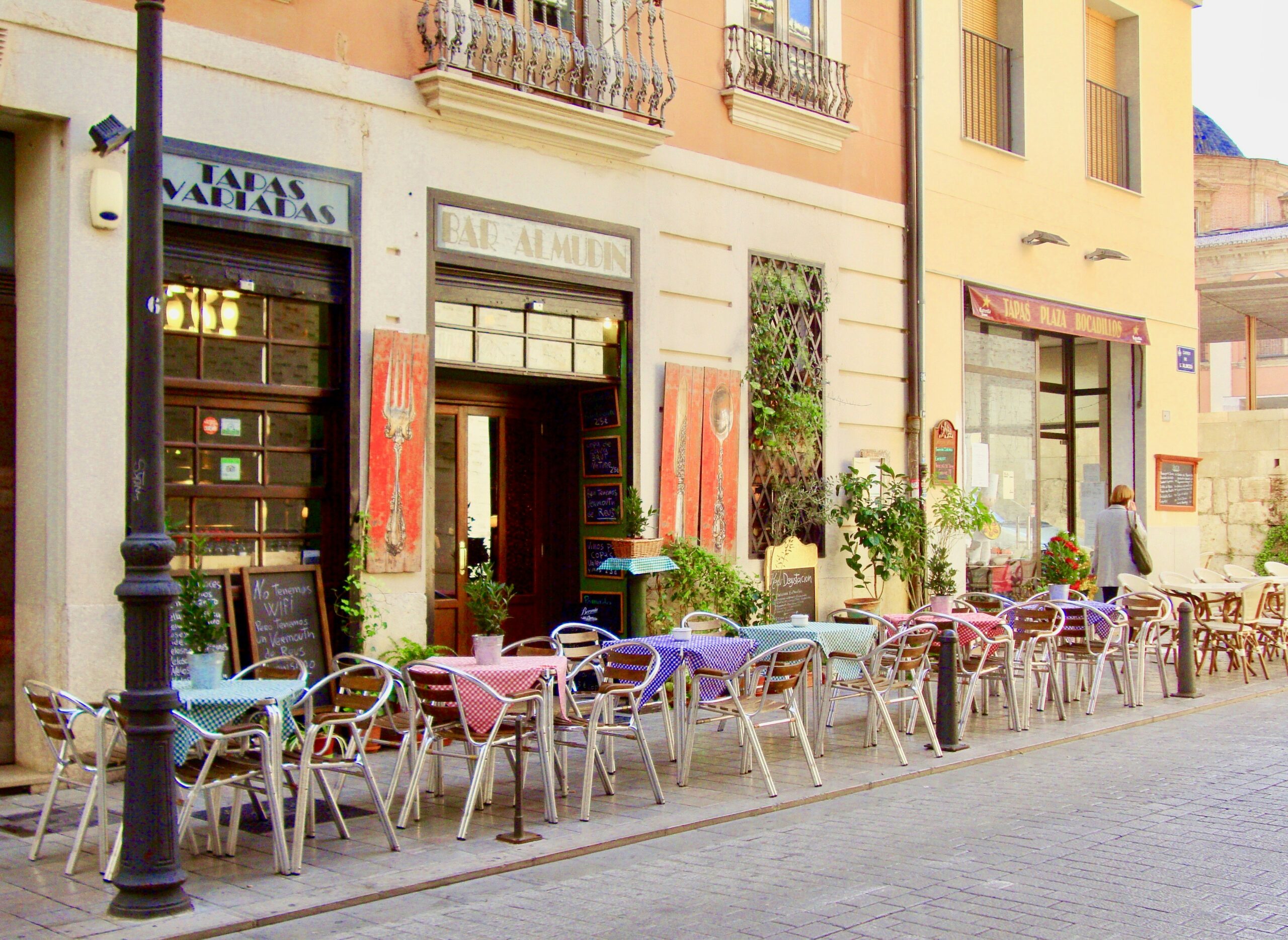
Spanish culture places significant emphasis on creating welcoming, atmospheric spaces, which makes ambientar particularly relevant. Whether discussing the carefully curated ambiance of a tapas bar, the historical setting of a period drama, or the process of making newcomers feel comfortable in social groups, this verb captures important cultural values. In Spain and Latin America, the concept of ambiente extends beyond physical space to include social atmosphere and group dynamics. When someone says that a place está bien ambientado, they’re praising not just the decoration but the overall feeling and experience it provides.
Avoiding Common Learner Mistakes
Spanish learners sometimes confuse ambientar with similar-sounding words or misapply it in inappropriate contexts. Remember that ambientar emphasizes atmospheric creation, not mere placement. Don’t use ambientar when you simply mean where something is located without any atmospheric implication; use estar or situarse instead. The reflexive ambientarse specifically refers to personal adaptation, so don’t use it for inanimate objects adapting or changing. Additionally, conjugate carefully: yo ambiento, tú ambientas, él/ella ambienta maintain regular -ar verb patterns. Understanding these distinctions prevents awkward constructions and helps learners communicate precisely like native speakers.
Conclusion
Mastering ambientar enriches your Spanish vocabulary with a verb that elegantly captures the creation of atmosphere, the setting of scenes, and the process of environmental adaptation. This versatile verb appears across multiple contexts, from literary analysis to interior design, from film production to personal experiences of adjusting to new situations. By understanding its etymology, pronunciation, and nuanced usage patterns, Spanish learners can incorporate ambientar naturally into their communication. The verb’s emphasis on atmospheric qualities rather than mere physical location reflects Spanish culture’s appreciation for sensory experience and emotional context. Whether you’re describing how a novel transports readers to another era, explaining how you decorated your home to create a cozy feeling, or discussing your adaptation to Spanish-speaking environments, ambientar provides the precise vocabulary you need. Practice using this verb in various contexts, pay attention to how native speakers employ it, and you’ll find that your Spanish becomes more expressive and sophisticated, capturing not just facts but the feelings and atmospheres that make communication truly meaningful.

