Introduction
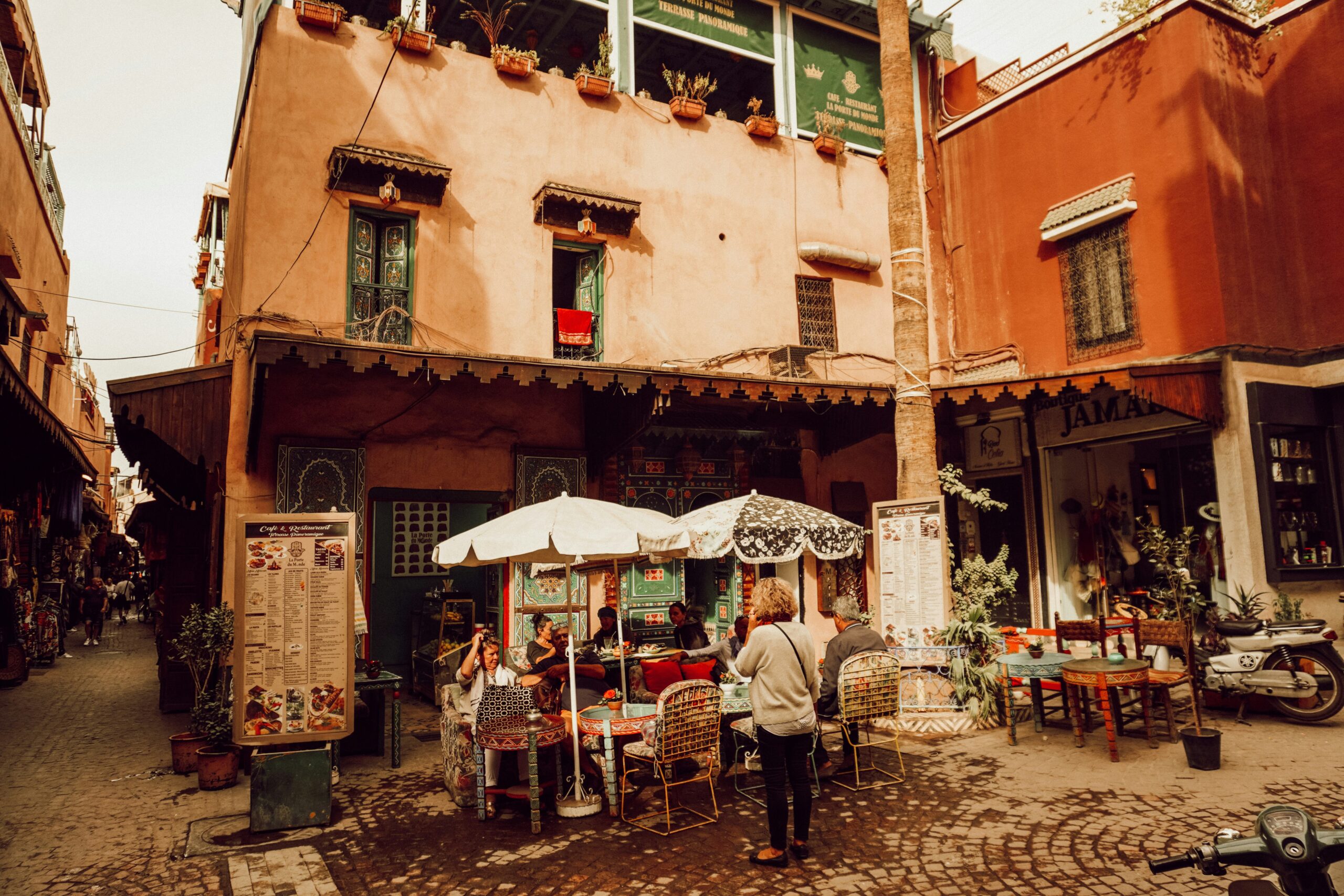
Exploring a Spanish-speaking town is one of the best ways to practice the language and experience local life. This article gives you 20 essential phrases for walking around town, with clear explanations, example sentences, and usage notes to help beginner and intermediate learners sound natural and confident.
- Why these phrases matter
- 20 essential phrases for walking around town
- 1. ¿Dónde está…? – Where is…?
- 2. ¿Cómo llego a…? – How do I get to…?
- 3. ¿Está lejos? – Is it far?
- 4. Una mapa, por favor – A map, please
- 5. ¿A qué hora abre/cierra…? – What time does … open/close?
- 6. ¿Cuánto cuesta? – How much does it cost?
- 7. La cuenta, por favor – The bill, please
- 8. ¿Hay un baño/baños? – Is there a bathroom/restroom?
- 9. ¿Me puede ayudar? – Can you help me?
- 10. Estoy perdido / perdida – I am lost
- 11. ¿Qué bus/taxi va a…? – Which bus/taxi goes to…?
- 12. Un billete para…, por favor – One ticket to…, please
- 13. ¿Se puede caminar hasta allí? – Can you walk there?
- 14. ¿Hay una parada de autobús cerca? – Is there a bus stop nearby?
- 15. ¿Puede recomendarme un buen sitio para comer? – Can you recommend a good place to eat?
- 16. ¿Hay Wi-Fi aquí? – Is there Wi-Fi here?
- 17. Permiso – Excuse me / May I pass
- 18. Un momento – One moment
- 19. ¿Puedo tomar fotos? – Can I take photos?
- 20. Gracias, muy amable – Thank you, very kind
- How to practice these phrases effectively
- Pronunciation tips and regional variations
- Short dialogues to model real interactions
- Common mistakes and how to avoid them
- Final tips for confident town walking
- Conclusion
Why these phrases matter
When you walk around a town, you encounter shops, streets, directions, transportation, and casual interactions. Learning a compact set of phrases equips you to ask for help, understand signs, order food, and make simple conversation. These expressions are practical, commonly used, and good building blocks for more advanced language skills.
20 essential phrases for walking around town
1. ¿Dónde está…? – Where is…?
Use this to ask for locations. Follow with a place name or landmark.
Example: ¿Dónde está la estación de tren?
Usage note: You can also say ¿Dónde queda…? in some regions.
2. ¿Cómo llego a…? – How do I get to…?
Great for asking directions for walking, bus, or driving routes.
Example: ¿Cómo llego a la plaza principal?
Usage note: Use with a destination like ¿Cómo llego al museo?
3. ¿Está lejos? – Is it far?
Quickly confirm if a place is within walking distance.
Example: ¿Está lejos el mercado?
Usage note: People might answer with distance, time, or a gesture.
4. Una mapa, por favor – A map, please
Useful in tourist offices or information centers. Many towns provide free maps.
Example: Una mapa, por favor para encontrar los monumentos.
Usage note: Map is often el mapa; many shops will hand you a paper map or point on their phone.
5. ¿A qué hora abre/cierra…? – What time does … open/close?
Ask about opening hours for museums, stores, or cafés.
Example: ¿A qué hora abre la catedral?
Usage note: For closing time use cierra and for opening use abre.
6. ¿Cuánto cuesta? – How much does it cost?
Important when buying items from street vendors, souvenir shops, or markets.
Example: ¿Cuánto cuesta esta postal?
Usage note: You can follow with quantities: ¿Cuánto cuesta uno?
7. La cuenta, por favor – The bill, please
Use this to request the check at a café or restaurant after sitting outside and enjoying the town vibe.
Example: Hemos terminado; La cuenta, por favor.
Usage note: In some countries servers bring it only when asked.
8. ¿Hay un baño/baños? – Is there a bathroom/restroom?
An essential for long walks. Public bathrooms might be called aseos in some regions.
Example: ¿Hay un baño cerca de la plaza?
Usage note: If you need to be more polite add por favor.
9. ¿Me puede ayudar? – Can you help me?
Use this for general assistance like reading a map, finding a street, or understanding a sign.
Example: ¿Me puede ayudar con este mapa?
Usage note: For informal situations use ¿Me puedes ayudar?
10. Estoy perdido / perdida – I am lost
A direct way to signal you need help finding your way. Use perdido if you’re male, perdida if female.
Example: Estoy perdido, ¿puedes indicarme dónde está la estación?
Usage note: People are usually helpful to lost visitors.
11. ¿Qué bus/taxi va a…? – Which bus/taxi goes to…?
Ask at bus stops or taxi stands to find the right route.
Example: ¿Qué bus va a el centro histórico?
Usage note: For taxi ask drivers directly or use apps where available.
12. Un billete para…, por favor – One ticket to…, please
Buy bus, train, or metro tickets with this phrase. Replace … with your destination.
Example: Un billete para la estación norte, por favor.
Usage note: Use dos billetes for two tickets, etc.
13. ¿Se puede caminar hasta allí? – Can you walk there?
Check whether a route is pedestrian-friendly or if you should take public transport.
Example: ¿Se puede caminar hasta allí o mejor tomo un autobús?
Usage note: Locals will tell you if there are steep hills or scenic routes.
14. ¿Hay una parada de autobús cerca? – Is there a bus stop nearby?
Useful when you want to plan a route back or reach further neighborhoods.
Example: ¿Hay una parada de autobús cerca del parque?
Usage note: You may hear names of lines or numbers in response.
15. ¿Puede recomendarme un buen sitio para comer? – Can you recommend a good place to eat?
Locals love sharing favorite cafés and tapas bars. This phrase can lead to authentic food experiences.
Example: ¿Puede recomendarme un buen sitio para comer cerca del mercado?
Usage note: You might get suggestions for specialties to try.
16. ¿Hay Wi-Fi aquí? – Is there Wi-Fi here?
Ask in cafés, libraries, or tourist centers when you need maps, translation, or a quick check-in.
Example: ¿Hay Wi-Fi aquí y cuál es la contraseña?
Usage note: Many places provide free Wi-Fi; some require a purchase.
17. Permiso – Excuse me / May I pass
A short word to politely squeeze through a crowd, pass someone, or get attention. It is very versatile.
Example: Permiso, ¿puedo pasar?
Usage note: Use hands or a smile to add politeness in tight spaces.
18. Un momento – One moment
Use this to ask someone to wait briefly if you need to check a map, ticket, or phone.
Example: Un momento, estoy buscando la dirección.
Usage note: Follow with a quick gesture that you will be right back.
19. ¿Puedo tomar fotos? – Can I take photos?
Ask before photographing in churches, small businesses, or private spaces where rules may vary.
Example: ¿Puedo tomar fotos de la fachada?
Usage note: Some places allow photos but not inside; locals will appreciate the question.
20. Gracias, muy amable – Thank you, very kind
Politeness goes a long way. Use this after receiving help, directions, or service. Native speakers respond well to genuine gratitude.
Example: Gracias, muy amable por su ayuda con el mapa.
Usage note: You can shorten to gracias for casual interactions.
How to practice these phrases effectively
Practice makes them feel natural. Try the following techniques to build confidence while walking around town:
1. Shadowing: Listen to native speakers online and repeat phrases aloud to improve pronunciation. Focus on rhythm rather than individual words.
2. Phrase chaining: Link two phrases together, for example ¿Dónde está la estación? followed by ¿Se puede caminar hasta allí? This prepares you for follow-up questions in real conversations.
3. Role-play: Imagine short scenarios like buying a ticket or asking for a bathroom, and practice both sides of the interaction. This helps you anticipate replies and polite responses.
4. Real-world practice: Use these phrases in small steps—ask a vendor the price, request a map at the tourist office, or ask for directions at a café. Locals usually appreciate the effort and will help you correct minor errors.
Pronunciation tips and regional variations
Spanish pronunciation is relatively consistent, but there are regional differences that affect how fluent you sound:
1. The letter c before e or i often sounds like th in Spain and like s in Latin America. For example, cerca may sound like th-er-ka in Spain and ser-ka in Latin America.
2. The pronoun usted is formal and common when asking strangers for help; tú is informal and reserved for people you know. Use ¿Me puede ayudar? as a polite default.
3. Some countries use different terms for bathroom like baños or aseos, and for ticket like boleto instead of billete. If you learn one term and sound confused, natives will usually understand both.
Short dialogues to model real interactions
Use these mini-dialogues to see how multiple phrases fit together in everyday situations.
Scenario 1 – Asking for directions
Person A: Disculpe, ¿dónde está la catedral?
Person B: A la derecha, a dos cuadras. Sigue recto y la verás.
Person A: Gracias, muy amable
Scenario 2 – Buying a ticket
Person A: Un billete para la estación, por favor
Clerk: ¿Solo ida o ida y vuelta?
Person A: Ida y vuelta, por favor.
Scenario 3 – Looking for a bathroom
Person A: Perdón, ¿hay un baño cerca?
Person B: Sí, en el café de la esquina. Pasa por ahí y te lo indican.
Person A: Perfecto, gracias
Common mistakes and how to avoid them
Beginners often make predictable errors. Here are tips to avoid them:
Mistake: Overusing direct translations from English. Instead of literal word order, mimic natural Spanish patterns like placing place names after the verb in questions.
Mistake: Forgetting formal vs informal pronouns. When in doubt with strangers, use polite forms like usted and ¿Me puede ayudar?.
Mistake: Rushing pronunciation. Slow down and enunciate key sounds; locals will appreciate clarity more than speed.
Final tips for confident town walking
1. Carry a small notebook with the key phrases listed in Spanish and a phonetic hint. 2. Learn a few place words like plaza, calle, estación, and mercado to mix and match. 3. Observe body language and gestures; pointing and polite smiles are universal. 4. Keep your phone battery charged for maps and translation apps, but try asking locals first—it’s great practice and often leads to friendly interactions.
Conclusion
These 20 phrases form a practical toolkit for walking around town in Spanish-speaking places. With clear examples, pronunciation tips, and short dialogues, you can navigate streets, ask for help, and enjoy local life with more confidence. Practice a few phrases each day, and soon they will feel like second nature.